Thanksgiving feels familiar to most Americans because it brings together food, family, football, travel, and gratitude. But behind the holiday table is a deeper story shaped by harvest celebrations, Wampanoag history, presidential proclamations, and changing American customs.
The history of Thanksgiving traditions in the United States shows how one seasonal feast grew into a national holiday filled with meaning, memory, celebration, and reflection.
Why do Americans celebrate Thanksgiving today?
Americans celebrate Thanksgiving as a national day of gratitude, family gathering, food, reflection, and community. Still, Thanksgiving history in America is complex. The holiday carries warmth, but it also connects to colonization, land loss, and the Native American experience. Understanding both sides makes the holiday more honest and meaningful.
What happened at the 1621 Plymouth feast?
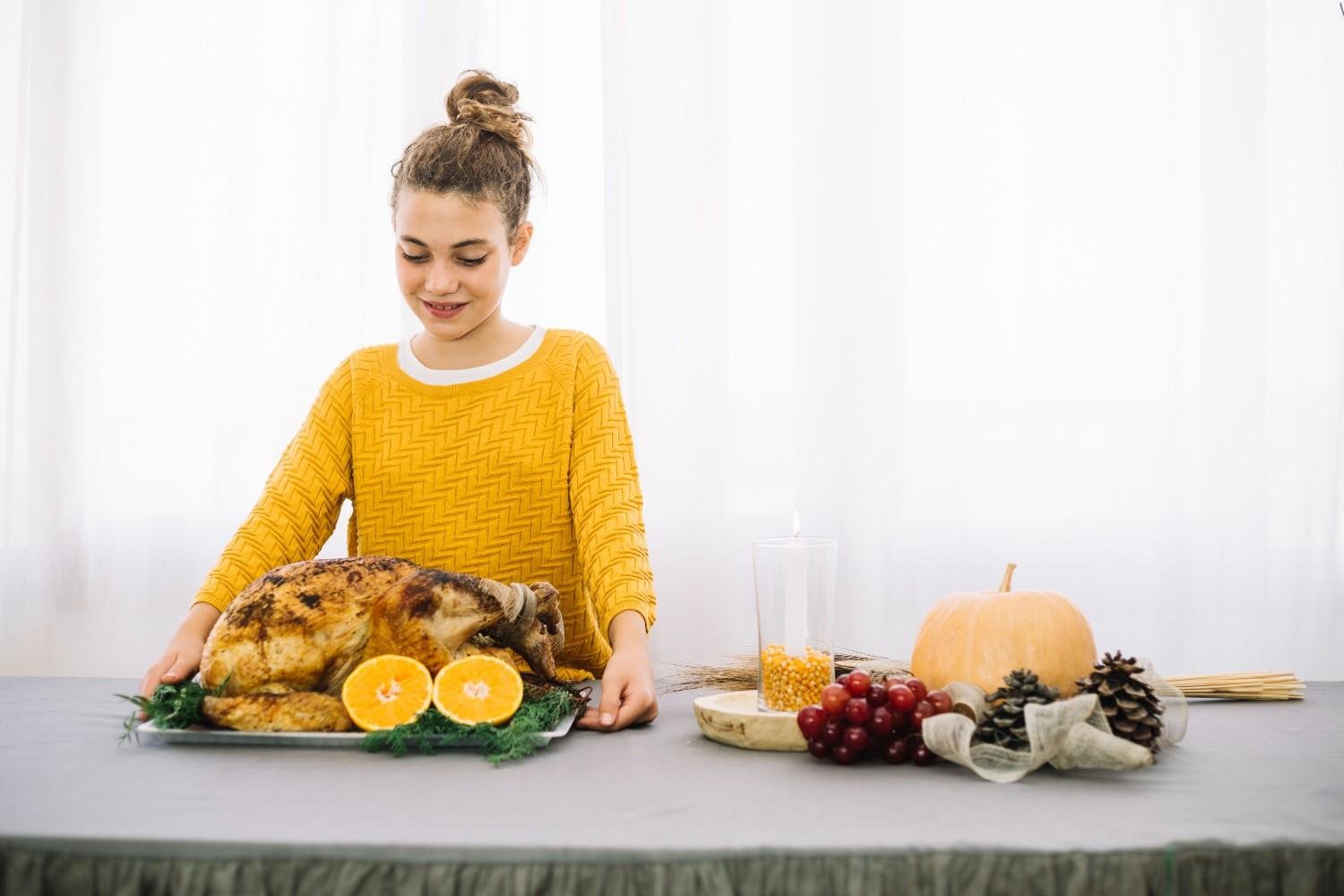
The event often called the first Thanksgiving took place in Plymouth, Massachusetts, in 1621. English colonists celebrated a successful harvest after a difficult first year, and members of the Wampanoag people, including Massasoit, joined the gathering. The feast lasted about three days, but it was not the formal national holiday Americans know today.
There was likely no pumpkin pie, cranberry sauce, mashed potatoes, or green bean casserole. The strongest evidence points to venison and wild fowl, while other local foods may have included fish, corn, beans, squash, and shellfish.
How did Thanksgiving become a national holiday?
Thanksgiving did not become a national holiday right after 1621. During the late 1700s, the Continental Congress and leaders such as George Washington issued occasional thanksgiving proclamations for military victories, national blessings, and public gratitude.
The strongest campaign came from Sarah Josepha Hale, a writer and editor who spent about 36 years pushing for one unified American Thanksgiving. In 1863, during the Civil War, President Abraham Lincoln declared a national Thanksgiving holiday in November. In 1941, Congress passed a joint resolution setting Thanksgiving on the fourth Thursday of November.
The timeline is simple: 1621 brought the Plymouth harvest feast, 1789 brought Washington’s proclamation, 1863 made Lincoln’s Thanksgiving a national observance, and 1941 fixed the date.
Why did turkey and classic side dishes become Thanksgiving traditions?
The Thanksgiving turkey tradition grew because turkey was native to North America, large enough to feed a family, and practical for a harvest-style meal. Thanksgiving food traditions expanded during the 19th century as New England cookbooks, magazines, and home writers helped standardize the menu.
Stuffing, mashed potatoes, cranberry sauce, pumpkin pie, gravy, and sweet potatoes became familiar holiday staples. Southern tables may include cornbread dressing, while immigrant families often add cultural dishes.
The wishbone snapping tradition also became attached to Thanksgiving because turkey became the holiday’s signature bird. After the bone dries, two people pull it apart, and the person with the larger piece is said to receive a wish. The custom traces back to ancient Roman tradition and later European folk culture.
Why are football and parades part of Thanksgiving?
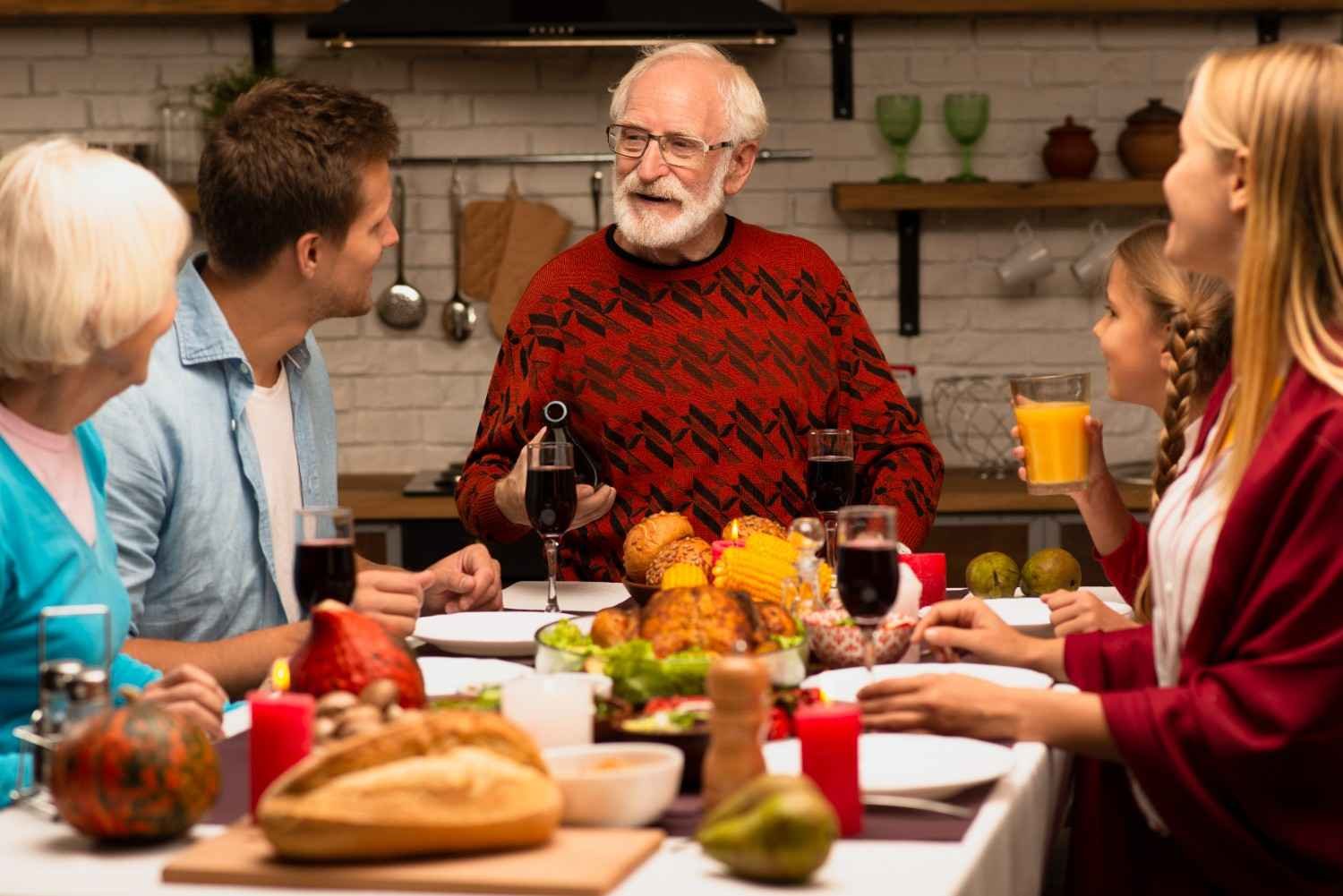
The Thanksgiving football tradition started long before modern TV broadcasts. In 1876, Yale and Princeton played a Thanksgiving game under newly organized Intercollegiate Football Association rules. The NFL later made the tradition national. The Detroit Lions began hosting annual Thanksgiving games in 1934, and the Dallas Cowboys joined in 1966.
Macy’s Thanksgiving Day Parade history shows how entertainment and commercialization shaped the holiday. Department stores used parades to attract shoppers and launch the Christmas season.
The Macy’s parade in New York City debuted in 1924 with live animals, performers, floats, and Santa Claus. In 1927, giant character balloons began replacing live zoo animals.
What is the presidential turkey pardon tradition?
The presidential turkey pardon is a lighter White House Thanksgiving custom. Stories connect Abraham Lincoln to sparing a turkey at his son’s request, but the modern annual ceremony became formal during President George H.W. Bush’s administration in 1989.
Today, the turkey pardon adds humor, media attention, and a national ritual to the season. It also shows how Thanksgiving keeps gaining new customs over time.
What is the Native American perspective on Thanksgiving?
The Native American perspective on Thanksgiving is essential to the full story. Many Native communities view the holiday as a reminder of colonization, broken agreements, displacement, violence, and cultural survival.
Since 1970, many Native Americans and supporters have gathered in Plymouth for the National Day of Mourning. I believe Americans can practice gratitude while also learning the truth.
How have Thanksgiving traditions changed over time?
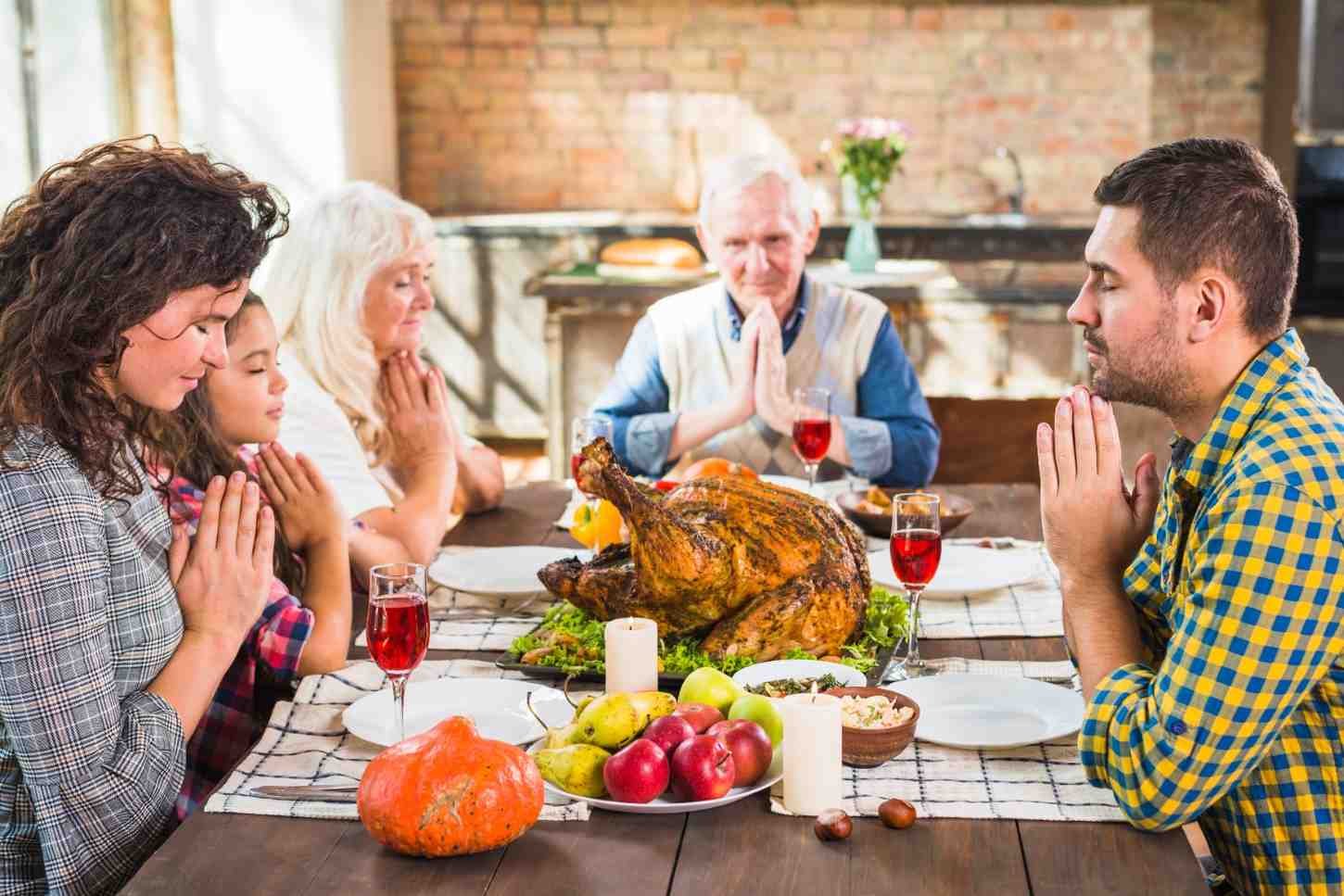
Thanksgiving traditions have grown from a harvest story into a national holiday filled with food, travel, sports, parades, charity drives, school lessons, and family rituals. Commercialization also shaped the holiday by connecting it to Black Friday, early Christmas shopping, and televised events.
Still, the heart of the day remains personal. Thanksgiving keeps changing because American life keeps changing.
Frequently Asked Questions (FAQs)
1. What is the history of Thanksgiving traditions in the United States?
This history began with harvest customs, the 1621 Plymouth feast, Wampanoag involvement, colonial thanksgiving days, Sarah Josepha Hale’s campaign, Lincoln’s 1863 proclamation, and modern customs like turkey, football, parades, and family gatherings.
2. Was turkey eaten at the first Thanksgiving?
Turkey may have been present, but the strongest evidence mentions venison and wild fowl. Modern dishes like pumpkin pie, cranberry sauce, and mashed potatoes became Thanksgiving staples much later.
3. When did Thanksgiving become a national holiday?
President Abraham Lincoln declared Thanksgiving a national holiday in 1863 during the Civil War. Congress later fixed the date as the fourth Thursday of November in 1941.
4. Why do Americans watch football on Thanksgiving?
Americans watch football on Thanksgiving because college games made the sport popular in the late 1800s, and the NFL later turned it into a national tradition through the Detroit Lions and Dallas Cowboys.
Final Thoughts
When I look at Thanksgiving today, I see gratitude, food, family, football, parades, Native remembrance, political history, and American change all sitting at the same table.
It stands among unique American traditions and their meanings because it shows how celebration, memory, and history can come together in one national holiday. The best way to honor the holiday is to enjoy the traditions while understanding where they came from.