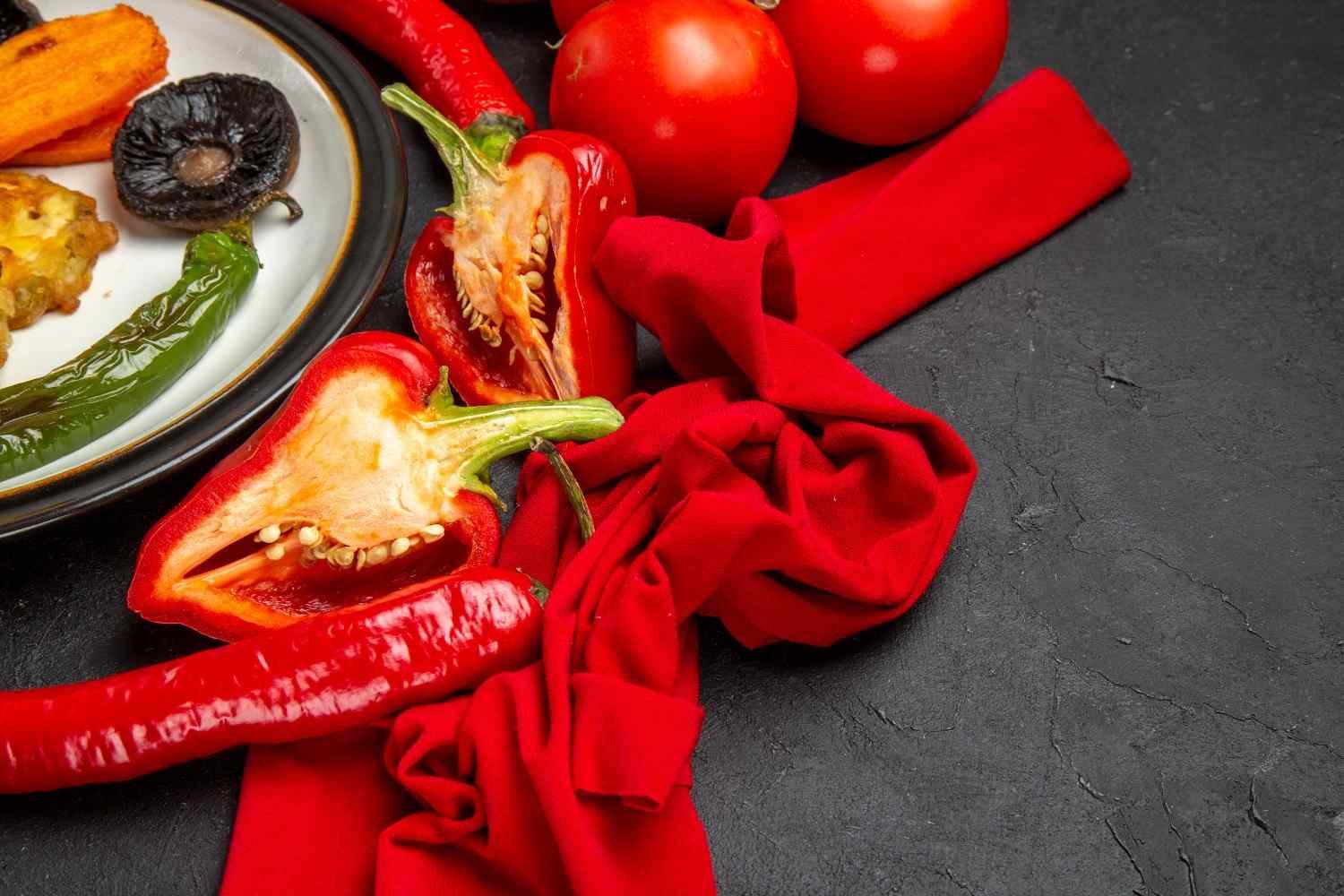
Juneteenth is more than a summer holiday with cookouts, drinks, and desserts. It is a day of remembrance, freedom, and cultural pride. When I see red drinks, barbecue sauce, strawberries, watermelon, or red velvet cake on a Juneteenth table, I know those foods carry a deeper story.
So, why is red food eaten on Juneteenth? The tradition honors the blood shed by enslaved ancestors, the resilience of Black Americans, and the West African cultural meanings tied to the color red, including strength, sacrifice, power, and transformation.
What Does Red Food Mean on Juneteenth?
Red food on Juneteenth represents memory and celebration at the same time. The color red points to the bloodshed, pain, and loss connected to slavery, the transatlantic slave trade, and generations of injustice. It also represents resilience, power, joy, and transformation.
That is why the Juneteenth red food tradition feels so powerful. It reminds us that freedom came after suffering, resistance, and survival. For many Black families, red food acts as a tribute to ancestors and the generations who carried culture forward.
How Do West African Traditions Shape Juneteenth Red Foods?
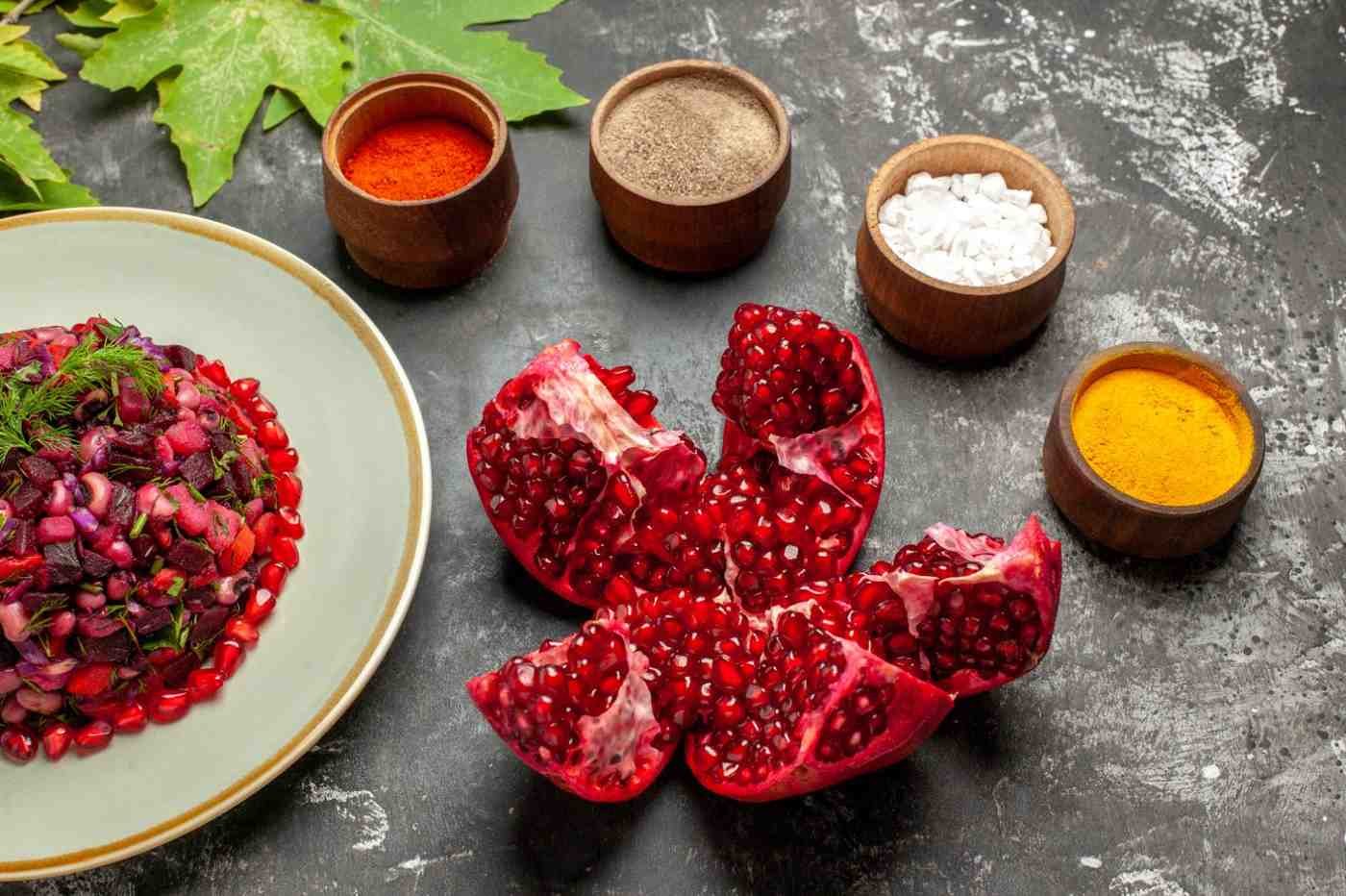
Red also connects to West African heritage. Enslaved people brought foodways, beliefs, and cultural memory from African societies, including Yoruba and Kongo peoples. In those ancestral cultures, red carried deep spiritual meaning.
Red could symbolize life, death, spiritual transition, sacrifice, strength, authority, and power. That meaning did not disappear when people were forced across the Atlantic. It lived on through cooking, gathering, music, memory, and family traditions.
What Red Drinks Are Served for Juneteenth?
Red drink is one of the most recognized parts of Juneteenth food traditions. Many families serve strawberry soda, red punch, fruit punch, cherry drinks, cranberry drinks, Tropical Punch Kool-Aid, hibiscus tea, or sorrel.
Hibiscus tea has a special place in the tradition because it connects to West African drinks made with hibiscus, often called bissap in parts of West Africa. Over time, those flavors traveled through the African diaspora and blended with Caribbean, Southern, and Black American food traditions.
Why Are Barbecue and Red Foods Part of a Juneteenth Menu?
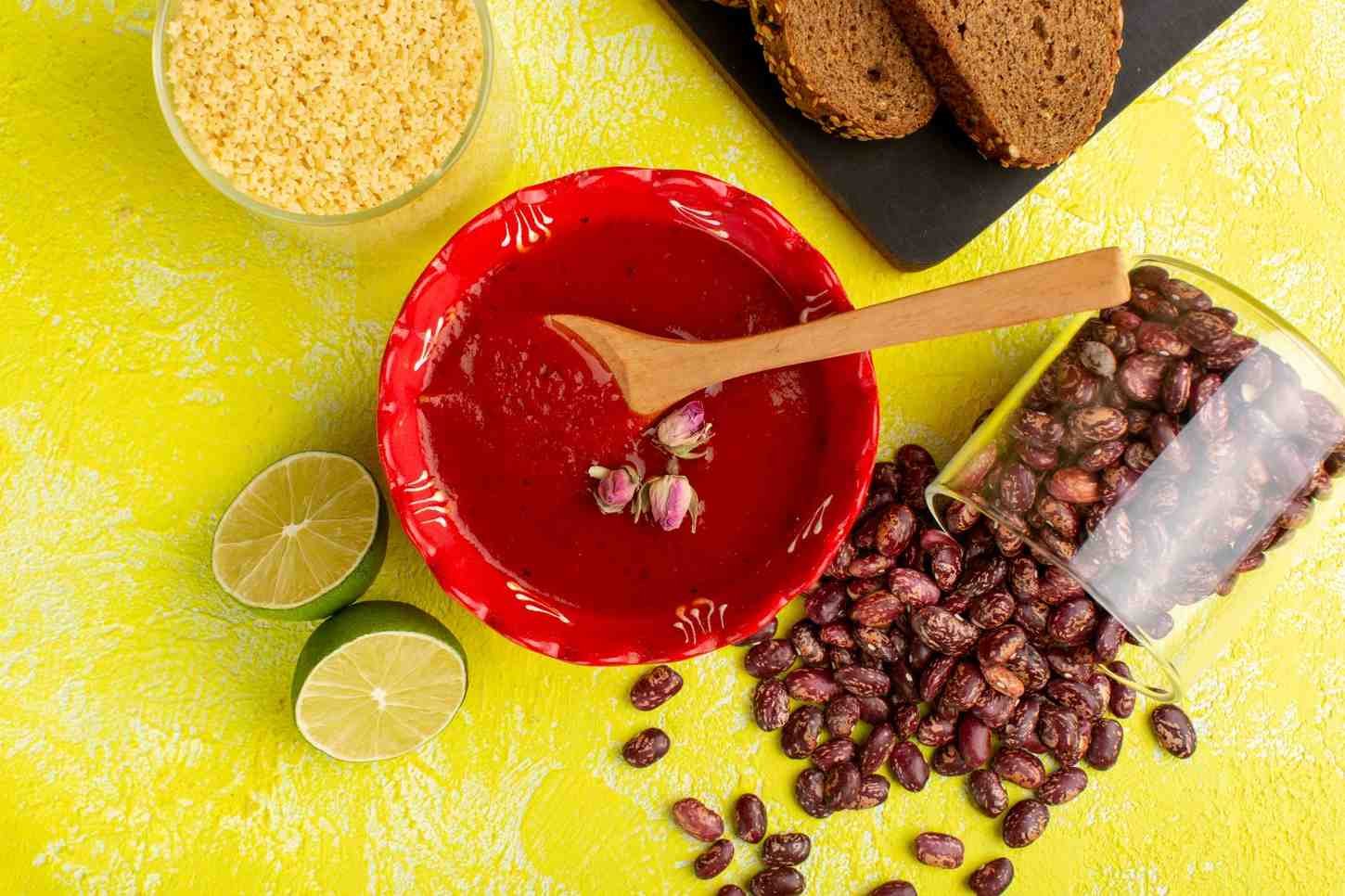
Many people describe the heart of a Juneteenth spread through barbecue and red drinks. Some call this pairing part of the Juneteenth Trinity because barbecue, red drinks, and red foods often appear together at celebrations. It also connects to unique American traditions and their meanings, showing how food can carry memory, freedom, resilience, and community pride.
Barbecue matters because Juneteenth has long been a gathering holiday. Families and communities came together outdoors to eat, pray, speak, sing, and celebrate freedom. Smoked meats, pork ribs, brisket, grilled chicken, hot links, and red barbecue sauce all fit naturally into that tradition.
The red color in barbecue sauce, hot sauce, and spicy sausages also supports the symbolism of remembrance, sacrifice, and joy.
Which Red Foods Should You Serve on Juneteenth?
If you are planning a Juneteenth meal, red foods can help you honor the holiday with intention. Watermelon and strawberries are popular because they are bright, seasonal, and connected to summer harvests in Texas and across the United States.
Red velvet cake is another favorite. Some older versions of red velvet-style desserts used natural ingredients like cocoa reactions or beet juice to deepen the color, while many modern recipes use food coloring. Either way, red velvet cake has become a classic celebration dessert.
Other meaningful options include red beans and rice, cherry pie, strawberry shortcake, raspberry cobbler, tomato salad, red cabbage slaw, and fruit-based desserts. The best menu is not about making every dish red. It is about choosing foods that help people remember, celebrate, and talk about the meaning of the day.
How Can Americans Celebrate Juneteenth Respectfully?
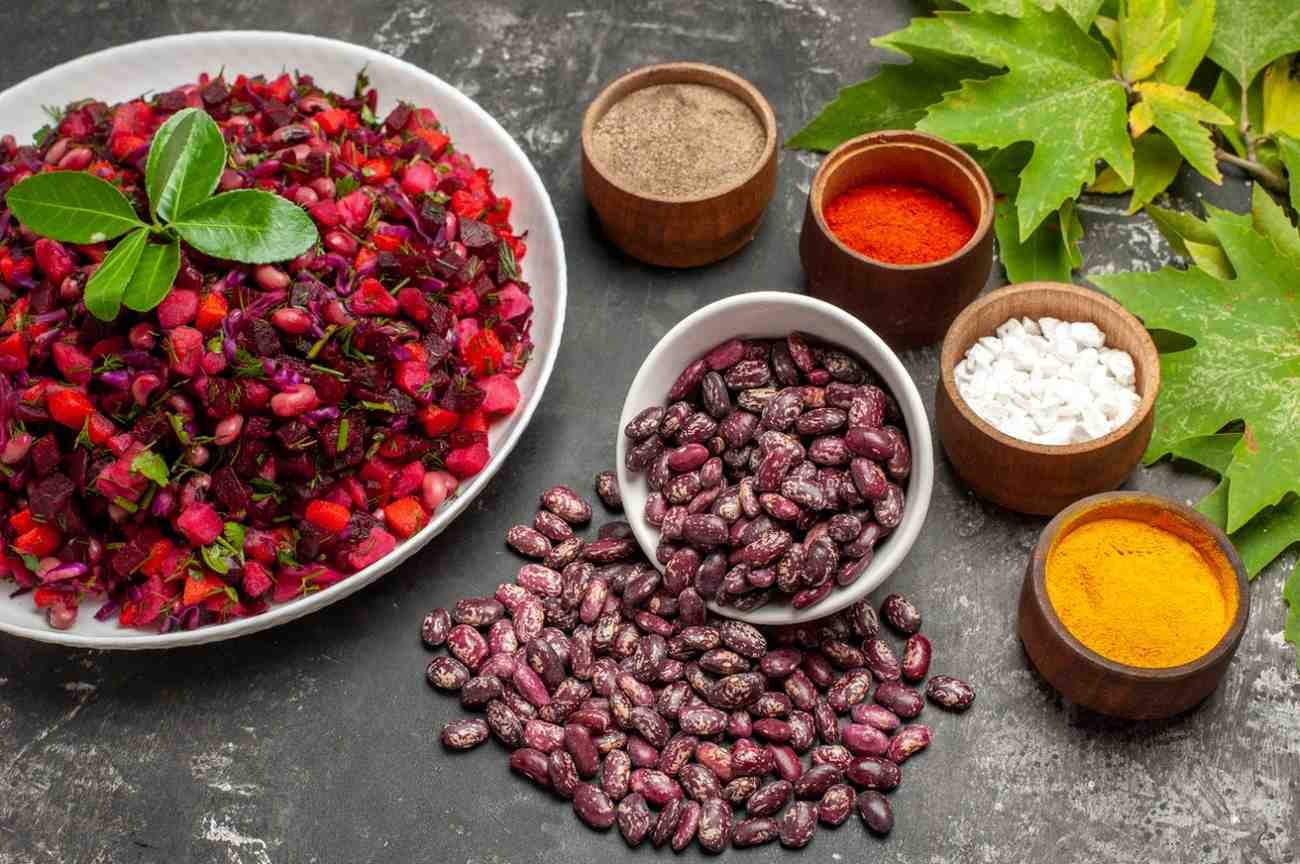
Juneteenth is now widely recognized across the United States, but it should never be treated like just another summer cookout. Food is important, but meaning comes first.
A respectful celebration begins with learning the history of June 19, 1865, supporting Black-owned restaurants or food businesses, sharing the story behind red foods, and making room for honest conversations about freedom. The goal is to honor Black history and cultural survival.
Why Is the Juneteenth Red Food Tradition Still Important?
Red stands for bloodshed, sacrifice, resilience, transformation, African heritage, and the joyful survival of Black Americans. That is why red drinks, barbecue, fruit, and desserts continue to hold a meaningful place at Juneteenth celebrations today.
Frequently Asked Questions (FAQs)
1. What is the main reason red food is eaten on Juneteenth?
The main reason is symbolism. Red represents the blood shed by enslaved ancestors, the sacrifice behind freedom, and the resilience of Black Americans. It also connects to West African ideas of power, transition, strength, and spiritual meaning.
2. Why are red drinks important on Juneteenth?
Red drinks are important because they are festive, symbolic, and connected to African diaspora food traditions. Hibiscus tea, sorrel, strawberry soda, red punch, and Kool-Aid all continue the tradition of the Juneteenth red drink.
3. Is barbecue a traditional Juneteenth food?
Yes, barbecue is a traditional Juneteenth food, especially in Texas and Southern celebrations. Pork ribs, brisket, hot links, grilled meats, and red sauces bring people together and reflect the community-centered spirit of the holiday.
4. Why is red food eaten on Juneteenth instead of another color?
Red is used because it carries deep cultural and historical meaning. It honors sacrifice and bloodshed, reflects West African spiritual symbolism, and celebrates the power, survival, and joy of Black Americans.
Closing Thoughts
For me, Juneteenth food is powerful because it makes history feel close. A red drink, a plate of barbecue, a slice of red velvet cake, or a bowl of strawberries can open the door to a deeper conversation about freedom.
Red food is not just decoration. It is memory, culture, grief, pride, and celebration on one table. That is what makes the tradition so meaningful across the United States.