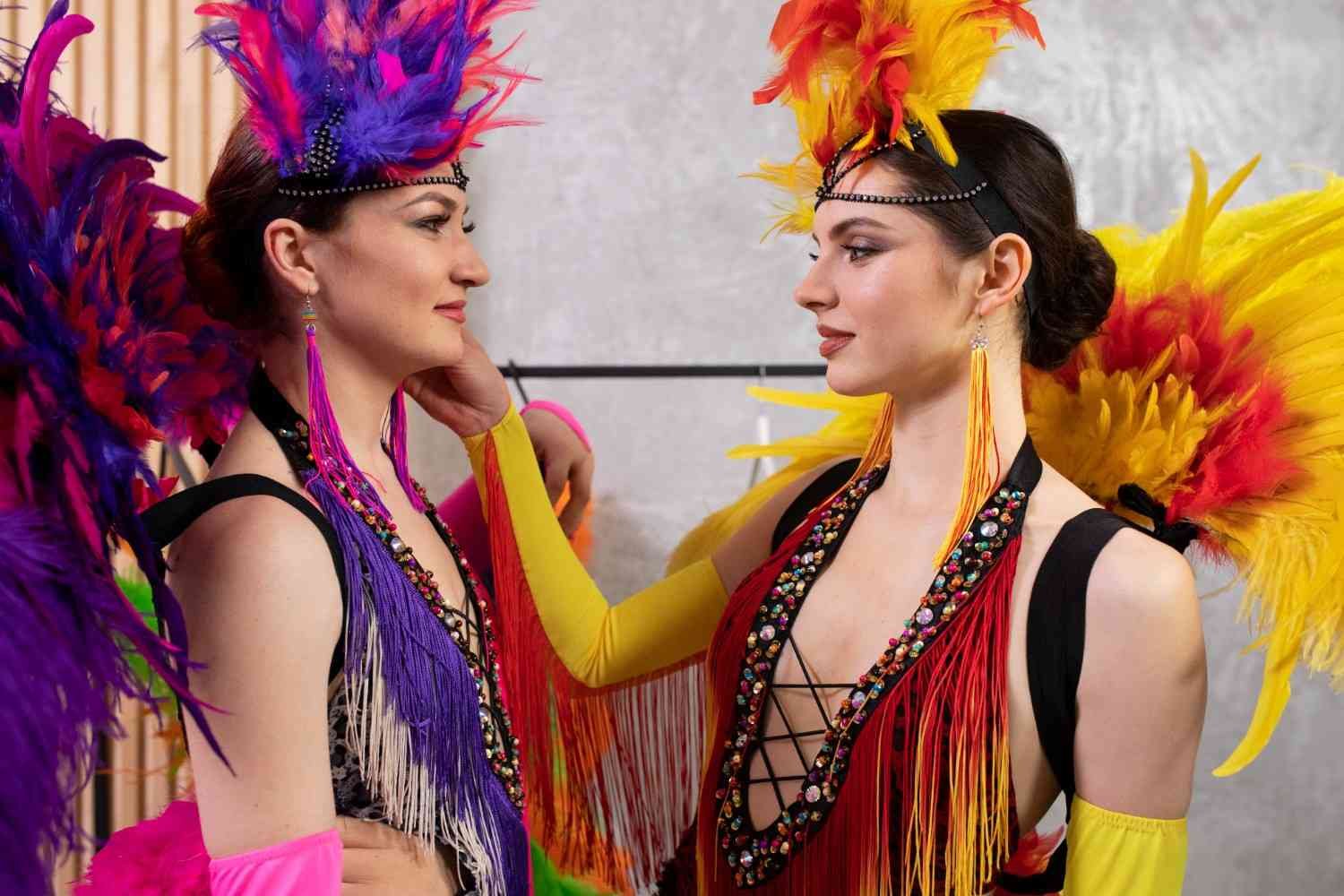
The first time I imagined Mardi Gras, I thought of flying beads, loud music, and streets covered in purple, green, and gold. But the real story is much deeper than the party scene. Mardi Gras traditions in New Orleans carry generations of history, faith, mystery, food, art, and neighborhood pride.
From masked krewes and torchlit parades to king cake, rare throws, and early-morning customs in Tremé, every tradition reveals why this celebration is one of America’s most unforgettable cultural experiences.
Why Does Mardi Gras in New Orleans Start on January 6?
Carnival season begins on Twelfth Night, also called Epiphany. From that day until Fat Tuesday, New Orleans slowly builds toward its biggest celebration. Bakeries start selling king cakes, Mardi Gras krewes prepare their parades, neighborhoods decorate in purple, green, and gold, and locals begin planning where they will stand along the parade route.
This long season is one reason Mardi Gras traditions in New Orleans feel different from celebrations in other cities. The event is not only built for tourists. It belongs to local families, social clubs, artists, musicians, and communities that have kept these customs alive for generations.
What Are Krewes and Why Do They Matter?
Mardi Gras parades are organized by private social clubs known as krewes. These groups plan floats, themes, costumes, balls, royalty, and throws. Without krewes, the public celebration would not have the same structure, mystery, or pageantry.
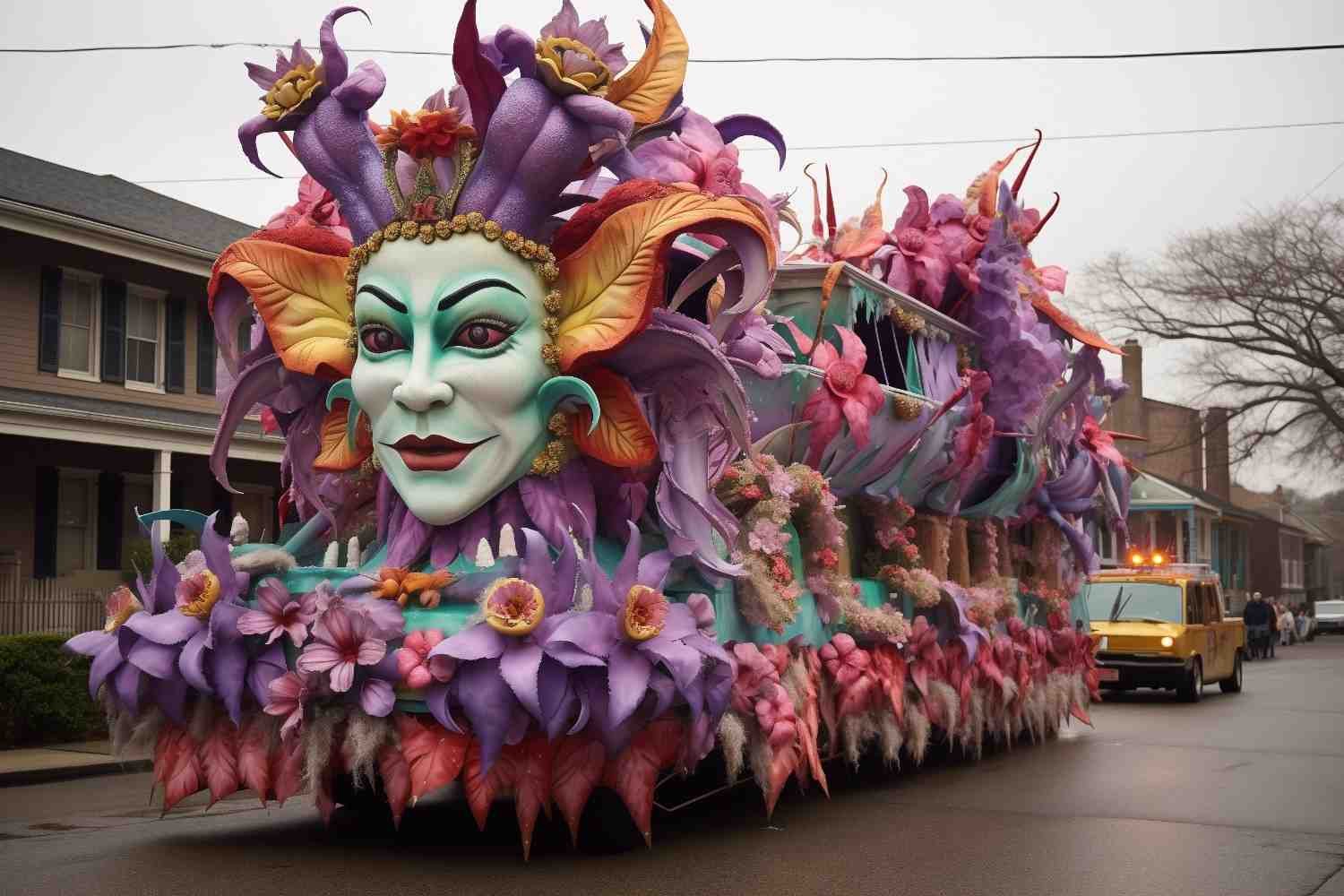
Some krewes are known for massive modern entertainment. Super krewes like Endymion and Bacchus roll with oversized floats, bright lighting, fiber optics, LEDs, music, and celebrity grand marshals. Their parades attract huge crowds and create a dramatic, high-energy experience.
Other krewes carry deep historical weight. Rex, often called the King of Carnival, helped establish the official Mardi Gras color scheme in 1872. Purple stands for justice, green stands for faith, and gold stands for power. Zulu is another iconic krewe, known for its powerful cultural history, royal figures, satire, and famous coconut throws.
Why Do Float Riders Wear Masks?
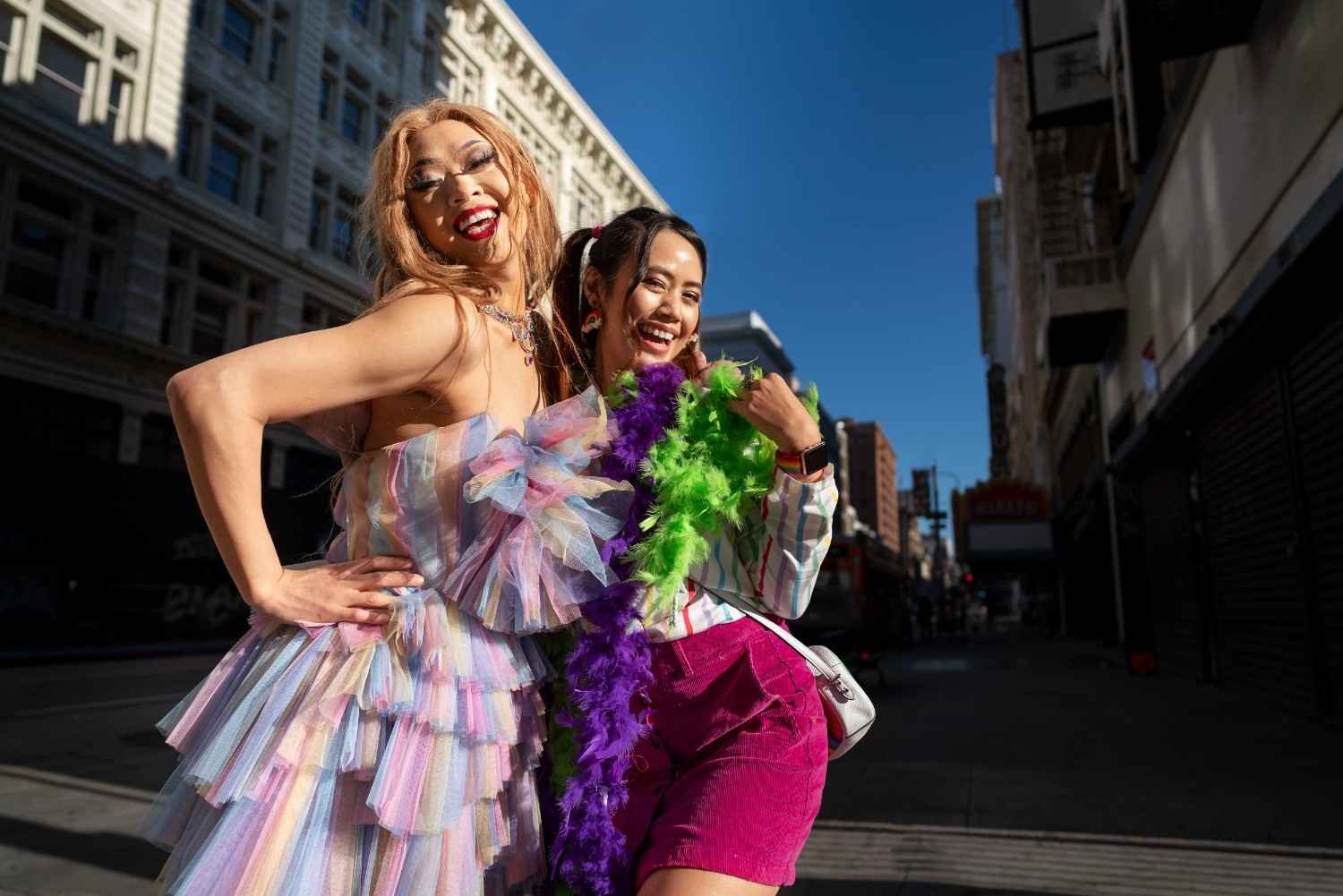
Masks are one of the most important symbols of Mardi Gras. They create mystery, hide identity, and allow people to step outside everyday social roles. In New Orleans, float riders are required by local ordinance to wear masks or face paint during parades. That rule keeps the old spirit of anonymity alive.
I think this is one of the details first-time visitors often miss. A mask is not just a fun accessory. It reflects a tradition where status, background, and ordinary identity fade for a while, allowing the parade to feel more theatrical and equal.
What Happens During Mardi Gras Parades?
For many visitors, the parade is the main event. Floats move through the streets while masked riders toss beads, cups, toys, doubloons, and other keepsakes into the crowd. Spectators shout the famous phrase, “Throw me something, mister!” as they try to catch the best items.
Mardi Gras beads are the most common throws, but the rare items create the biggest excitement. Zulu Coconuts are hand-decorated coconuts and remain among the most prized catches. Muses Shoes are glittered high heels created by the Krewe of Muses, while Iris Sunglasses are another signature throw that parade-goers love.
Doubloons also have special value. These anodized aluminum coins usually feature a krewe’s name, insignia, annual theme, and year. Some people collect them for fun, while others treat them like small pieces of Carnival history.
Why Is King Cake So Important During Carnival Season?
No Mardi Gras food is more famous than king cake. This ring-shaped brioche-style pastry is usually decorated with purple, green, and gold sugar. Some versions include cinnamon, cream cheese, fruit fillings, or creative bakery flavors.
The king cake season begins on January 6 and ends on Fat Tuesday. Inside the cake, there is usually a tiny plastic baby. According to custom, the person who finds the baby in their slice receives good luck and is expected to buy the next king cake or host the next gathering.
I love how king cake turns dessert into a social ritual. It is not only about eating something sweet. It keeps people gathering, sharing, laughing, and celebrating throughout Carnival season.
What Is the Flambeaux Tradition?
The flambeaux tradition is one of the most dramatic parts of night parades. Flambeaux carriers hold heavy flaming torches as they walk with the procession. The custom began in 1857, when torchbearers lit the route before electric streetlights made night parades easier to see.
Today, the flambeaux are no longer just practical. Carriers twirl, dance, and perform with the flames while spectators cheer and toss tips. The tradition is beautiful to watch, but it also carries a layered history tied to race, labor, performance, and public celebration in New Orleans.
Who Are the Black Masking Indians?
Some of the most meaningful Mardi Gras customs happen away from the most tourist-heavy parade routes. Black Masking Indians, also widely known as Mardi Gras Indians, appear on Fat Tuesday in breathtaking hand-sewn suits covered with feathers, beads, sequins, and detailed designs.
These groups are deeply rooted in African American history and neighborhood pride. Their tradition honors Native Americans who are remembered for helping shield runaway enslaved people. Their suits can take months to create, and every appearance feels like art, history, resistance, and storytelling moving through the streets.
What Is the North Side Skull & Bones Gang?
The North Side Skull & Bones Gang is one of the most powerful early morning Mardi Gras traditions. Before sunrise on Fat Tuesday, members dress as skeletons and move door-to-door through the Tremé neighborhood. They beat drums, wake the community, and share a message about peace, life, and mortality.
This tradition reminds me that Mardi Gras is not only about fun. It also carries warnings, memory, and spiritual meaning. The skeleton costumes may look startling, but the message is serious: life is short, and people should live with purpose.
Is Mardi Gras in New Orleans Family-Friendly?
Many people outside Louisiana assume Mardi Gras is only an adult party, but that is not the full story. Mardi Gras can be very family-friendly when visitors choose the right parade areas. Many local families set up daytime parade routes with chairs, ladders, food, snacks, and bags for throws.
The best experience depends on planning. I would avoid treating the French Quarter as the only place to celebrate. St. Charles Avenue, Uptown routes, and neighborhood parade areas often offer a more traditional view of Carnival season. Comfortable shoes, early arrival, parade schedules, and respect for local rules make the day much easier.
What Should First-Time Visitors Know Before Going?
First-time visitors should book hotels early, check parade routes, expect street closures, and prepare to walk. Glass containers are not allowed in many public areas, and crowds can become difficult to move through during major parades.
I also think visitors should respect local neighborhoods. Do not block driveways, leave trash, climb on unsafe structures, or treat residents’ spaces like a theme park. Mardi Gras welcomes travelers, but it belongs first to the people of New Orleans.
FAQs About New Orleans Mardi Gras Customs
1. What are the most famous Mardi Gras customs in New Orleans?
The most famous customs include parades, krewes, masks, costumes, king cake, beads, doubloons, Zulu Coconuts, Muses Shoes, flambeaux carriers, royal courts, and Fat Tuesday celebrations.
2. Why are purple, green, and gold used for Mardi Gras?
Purple, green, and gold became the official Carnival colors through Rex in 1872. Purple represents justice, green represents faith, and gold represents power.
3. What is the rarest Mardi Gras throw?
Many people consider Zulu Coconuts, Muses Shoes, and Iris Sunglasses among the most coveted signature throws because they are handmade, limited, and strongly connected to specific krewes.
4. When does Carnival season end in New Orleans?
Carnival season ends on Fat Tuesday, the day before Ash Wednesday. After that, Lent begins, and the public season of indulgence officially closes.
Final Thoughts
The best way to enjoy Mardi Gras traditions in New Orleans is to look beyond the surface. The beads are fun, the floats are beautiful, and the food is unforgettable, but the stories behind them matter even more.
For anyone learning about unique American traditions and their meanings, Mardi Gras shows how celebration can carry history, identity, faith, and community pride at the same time.
When I understand the krewes, masks, king cake, flambeaux, rare throws, Black Masking Indians, and Skull & Bones tradition, Mardi Gras feels richer. It becomes more than a festival. It becomes a living expression of New Orleans culture, memory, creativity, and community pride.