Some cultures are remembered in museums, but Cajun culture is still heard in dance halls, tasted in gumbo pots, spoken in family stories, and celebrated on muddy country roads during Mardi Gras.
Cajun culture traditions in Louisiana carry the spirit of people who turned exile, bayou survival, faith, and community into one of America’s most colorful regional identities. From crawfish boils and boudin to French songs, yard grottoes, and rural celebrations, Cajun life feels less like a tourist attraction and more like a living heartbeat of South Louisiana.
What Makes Cajun Culture in Louisiana So Different?
Cajun culture stands out because it is not just a historic identity. It is still practiced in kitchens, churches, dance halls, festivals, fishing camps, and family gatherings across Acadiana.
The heart of Cajun Country includes places like Lafayette, Eunice, Mamou, Breaux Bridge, St. Martinville, and smaller bayou communities where Cajun French, local cooking, and music traditions remain important.
The Cajun way of life grew from survival. Families adapted to the Atchafalaya Basin, coastal wetlands, prairies, and waterways by hunting, fishing, trapping, farming, and using what the land provided. That practical lifestyle shaped everything from recipes to celebrations.
It also explains why Cajun culture feels so community-centered. People shared food, labor, music, stories, and faith because the community helped them endure.
How Did Acadian History Shape Cajun Identity?
To understand cajun culture traditions in Louisiana, I always start with Acadian history. The Grand Dérangement forced many Acadians from their homes, and their arrival in Louisiana created a new chapter of French-speaking life in America. They did not simply recreate Acadia. They adapted to Louisiana’s heat, wetlands, wildlife, and cultural mix.
Cajun identity also absorbed influences from Native American, African, Spanish, German, Caribbean, and Creole communities. That is why Cajun culture feels layered. It is French at its roots, but Louisiana gave it a new sound, flavor, rhythm, and personality.
What Are the Most Famous Cajun Food Traditions?
Cajun cooking is rustic, practical, and built around what families could hunt, fish, farm, or gather. It is often called peasant-style cooking, but that does not mean simple in flavor. Cajun food turns everyday ingredients into meals that feel rich, smoky, spicy, and comforting.
Many savory Cajun dishes begin with the Holy Trinity: onions, bell peppers, and celery. This flavor base appears in gumbo, jambalaya, étouffée, rice dressing, and many stews. Gumbo often brings together roux, seafood, chicken, sausage, okra, filé, and rice, depending on the cook and region.
Jambalaya works as a one-pot meal that can feed a crowd. Crawfish étouffée uses local seafood with a thick, seasoned sauce served over rice.
Crawfish boils are one of the most iconic springtime rituals in South Louisiana. Families and friends gather outdoors while huge sacks of crawfish boil with corn, potatoes, sausage, and heavy seasoning. The food is often spread across tables, and the meal becomes a social event as much as dinner.
Boucheries also show the older community spirit of Cajun food. These traditional pig-butchering gatherings used every part of the animal to make boudin, cracklins, hogs head cheese, and other dishes. Nothing went to waste, and everyone had a role. That tradition reflects the resourcefulness that helped Cajun communities survive.
Why Are Cajun Music and Dance So Important?
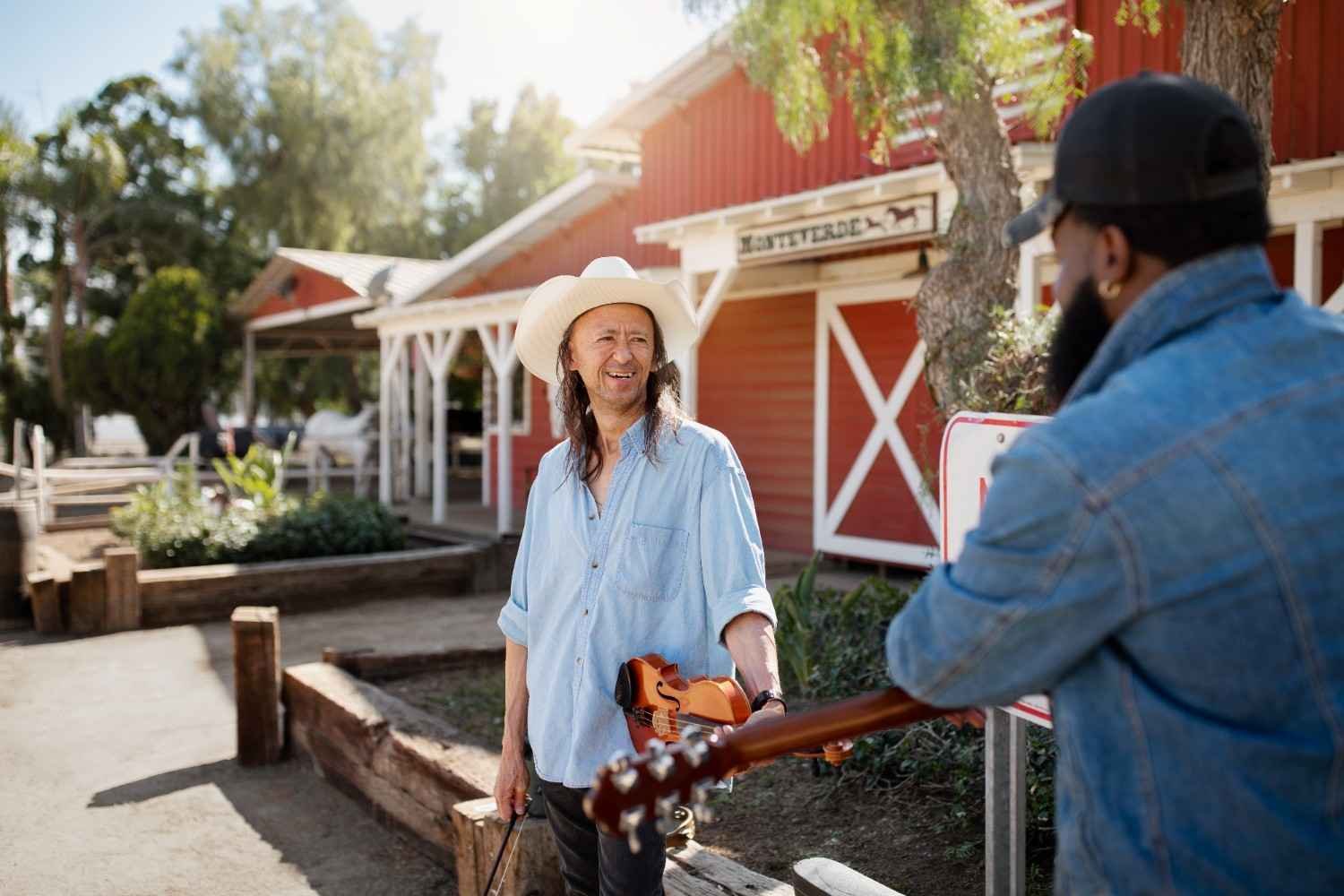
Music is the heartbeat of Cajun Country. Traditional Cajun music often uses the button accordion, fiddle, guitar, and iron triangle. The songs may be joyful, emotional, fast, or mournful, but they often carry Cajun French language and family memory.
Fais do-do gatherings are among the most beloved Cajun social traditions. The phrase means “go to sleep,” and it originally referred to children falling asleep while parents danced and celebrated. Today, fais do-do events still connect people through two-steps, waltzes, live bands, and community dancing.
Informal jam sessions also keep the tradition alive. Places like the Savoy Music Center are known for acoustic gatherings where musicians of different generations play together. These sessions matter because Cajun music is not only performed on stage. It is passed from person to person.
What is Courir de Mardi Gras?
Courir de Mardi Gras is one of the most unique Louisiana traditions because it looks very different from the bead-throwing parades of New Orleans. This rural Cajun Mardi Gras comes from older European begging rituals and remains strong in communities like Eunice, Mamou, Church Point, and Iota.
During the run, masked and costumed revelers often travel on horseback or by trailer through the countryside under the direction of a capitaine. They visit homes, sing, dance, and ask for ingredients for a communal gumbo.
One of the most famous parts is the chicken chase, where a live chicken is released and participants chase it on foot. The tradition is playful, chaotic, symbolic, and deeply tied to community celebration before Lent.
How Do Faith and Bayou Life Shape Cajun Traditions?
Roman Catholicism has long shaped Cajun life. Faith appears in family customs, feast days, church gatherings, and local rituals. In many South Louisiana communities, people still observe All Saints’ Day by washing, cleaning, and painting tombs. This practice shows respect for ancestors and keeps family memory visible.
Yard grottoes are another powerful sign of Cajun Catholic devotion. Across South Louisiana, many homes have small outdoor shrines, often dedicated to the Virgin Mary. These personal spaces show how faith is woven into daily life, not just reserved for church.
Fête Dieu du Teche is another meaningful tradition. This annual Eucharistic boat procession travels about 38 miles along Bayou Teche and honors the Catholic faith as well as the original boat journey of Acadian exiles who arrived in Louisiana in 1765. It connects religion, history, water, and Cajun identity in one public ritual.
What Is the Difference Between Cajun and Creole Culture?
Many people outside Louisiana use Cajun and Creole as if they mean the same thing, but they are different. Cajun culture is strongly tied to Acadian descendants and rural South Louisiana. Creole culture has a broader background connected to French, Spanish, African, Caribbean, and mixed-heritage communities, especially in and around New Orleans.
The two cultures influence each other, especially in food, music, language, and religion. Still, understanding the difference helps visitors appreciate Louisiana more respectfully. Cajun culture is not just New Orleans culture with a different flavor. It has its own geography, history, language, and rural traditions.
How Can Visitors Experience Cajun Culture Respectfully?
The best way to experience Cajun culture is to slow down. I would visit locally owned restaurants, listen to live Cajun music, attend a community festival, explore Lafayette and nearby towns, learn about Acadian history, and ask respectful questions. Visitors should avoid treating Cajun culture as only a food trend, accent, or costume idea.
Supporting local musicians, cooks, museums, cultural centers, and family-owned businesses helps preserve the traditions that make Acadiana special. When people understand the history behind the food, music, faith, and festivals, they experience more than entertainment. They experience living heritage.
Frequently Asked Questions (FAQs)
1. What are the main Cajun traditions in Louisiana?
The main Cajun traditions include communal cooking, crawfish boils, gumbo making, boudin, boucheries, Cajun music, fais do-do dances, Cajun French storytelling, Catholic customs, rural Mardi Gras, fishing, hunting, and strong family gatherings.
2. What food is Cajun culture known for?
Cajun culture is known for gumbo, jambalaya, crawfish étouffée, boudin, cracklins, seafood boils, rice dressing, smoked meats, and dishes built around the Holy Trinity of onions, bell peppers, and celery.
3. Is Cajun culture only found in New Orleans?
No. Cajun culture is most strongly connected to South Louisiana and Acadiana. Lafayette, Eunice, Mamou, Breaux Bridge, St. Martinville, and bayou communities are major centers of Cajun heritage.
4. What makes Cajun Mardi Gras different?
Cajun Mardi Gras is rural and community-based. Instead of large city parades, masked riders travel through the countryside, follow a capitaine, collect gumbo ingredients, and take part in traditions like the chicken chase.
Final Thoughts
When I look at Cajun culture traditions in Louisiana, I see a living American story shaped by exile, faith, family, food, music, and the bayou landscape. Cajun culture is joyful, but it is also meaningful. Every gumbo pot, crawfish boil, fiddle tune, yard grotto, Mardi Gras run, and French phrase carries a piece of history.
For US readers, the best way to understand Cajun culture is to see it as a living heritage rather than a tourist image. It also helps us better understand unique American traditions and their meanings, because Cajun customs show how regional identity, survival, and community pride can become part of everyday life.
Cajun culture belongs to real communities that continue to protect their identity through everyday traditions. That is what makes Cajun Country one of the most unforgettable cultural regions in the United States.