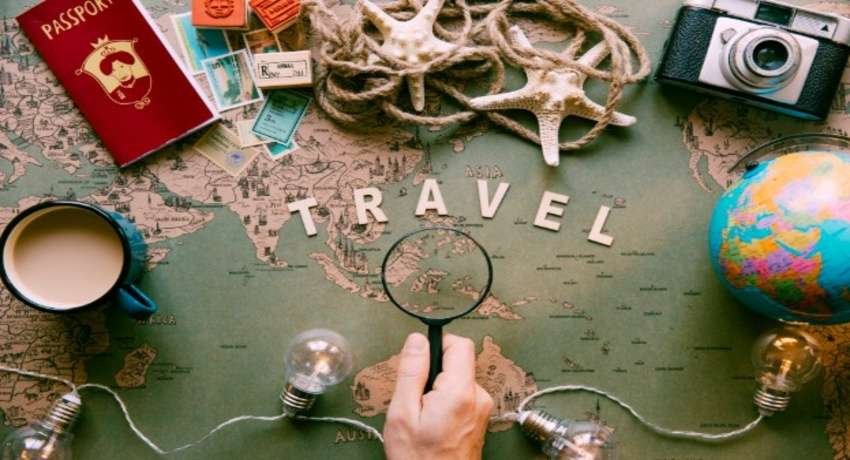
I think world travel was only about choosing a destination, booking a ticket, and packing a bag. The more I learned, the more I realized that travel becomes much more exciting when you understand the world behind the journey. A beginner guide to world travel facts helps you see how countries, cultures, languages, food, time zones, and landmarks all connect.
This guide is written for curious readers who want simple, useful, and interesting facts before learning more about global travel. You do not need to be an expert in geography or history. You only need curiosity and a willingness to look at the world with fresh eyes.
Why World Travel Facts Matter for Beginners
World travel facts help beginners understand places beyond postcards and tourist photos. Every country has its own identity shaped by land, people, language, climate, traditions, and daily habits. When you learn these basics, travel feels less confusing and more meaningful.
For example, two countries may be close on a map but completely different in food, greetings, clothing, transport, and social rules. Some places are known for ancient landmarks, while others are famous for natural wonders, festivals, street food, or modern cities. These details help beginners connect facts with real experiences.
Basic World Travel Facts Everyone Should Know
The world has seven continents, hundreds of languages, different currencies, and many time zones. These simple facts matter because they affect how people travel, communicate, spend money, and plan their days.
A traveler may cross several time zones during one long flight. That means morning in one country can be night in another. Currency also changes from place to place, so understanding exchange rates helps travelers manage spending. Even plug types, weather seasons, traffic rules, and meal times can differ widely.
A good beginner guide to world travel facts should explain these basics clearly instead of making travel feel complicated.
How Geography Shapes Travel Experiences
Geography has a major role in how countries look, feel, and function. Mountains can shape local transport, food, and architecture. Islands often develop strong seafood traditions and unique cultural identities. Desert regions may have different clothing, housing, and daily routines because of heat and limited water.
Climate also changes the way people travel. A country may have tropical beaches, snowy mountains, dry deserts, or rainy forests. Beginners should understand that weather affects packing, safety, sightseeing, and local lifestyle.
Culture, Language, and Customs Around the World
Culture is one of the most important parts of travel. Greetings, dining habits, gift-giving, personal space, clothing, and public behavior can change from country to country. A gesture that feels normal in one place may feel rude somewhere else.
Language is another major travel fact. English may be common in many tourist areas, but it is not spoken everywhere. Learning simple words like hello, thank you, please, and excuse me can make travel smoother and more respectful.
Beginners should also understand that customs are not just rules. They are part of how communities show respect, history, and identity, which explains how culture shapes national identity across different societies.
Food, Festivals, and Daily Life
Food is one of the easiest ways to understand a place. Rice, bread, spices, seafood, noodles, corn, potatoes, and local herbs all tell stories about geography, trade, farming, and migration. Street food, family meals, and traditional dishes often reveal more about a culture than a guidebook summary.
Festivals also show what people value. Some celebrate seasons, harvests, religion, history, music, light, flowers, ancestors, or national pride. For beginners, festivals are a fun way to learn how communities gather and celebrate.
Daily life matters too. Public transport, markets, school routines, work hours, and weekend habits show how people actually live beyond famous attractions.
Travel Documents, Money, and Time Zones
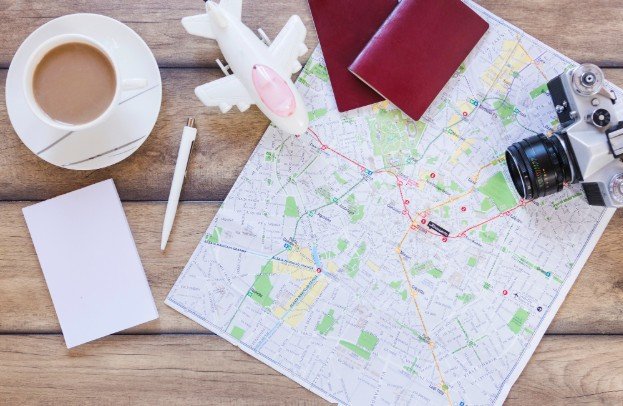
Before international travel, documents matter. A passport is usually the most important travel document. Some countries also require visas, arrival forms, international certificate of vaccination, or proof of return travel. Beginners should always check requirements before planning a trip.
Money is another key detail. Travelers should know whether cards are widely accepted, whether cash is needed, and how tipping works. In some places, tipping is expected. In others, it may be uncommon.
Time zones can also affect travel plans. Flights, hotel check-ins, tours, and online bookings depend on local time. Understanding time differences helps beginners avoid missed plans and confusion.
Famous Landmarks and Natural Wonders
Landmarks make world travel facts easier to remember. The Eiffel Tower, Great Wall, Taj Mahal, Pyramids of Giza, Machu Picchu, Colosseum, and Statue of Liberty are known worldwide because they connect history, architecture, and national identity.
Natural wonders are just as powerful. The Grand Canyon, Amazon Rainforest, Great Barrier Reef, Sahara Desert, Mount Everest, and Northern Lights show how beautiful and diverse the planet is. Beginners should learn both cultural landmarks and natural places because travel is not only about cities.
How to Keep Learning About the World
The best way to learn world travel facts is to group topics together. Start with continents, then countries, then cities, landmarks, food, festivals, and customs. Maps, documentaries, travel blogs, museum websites, and country guides can all help.
Beginners can also create a simple travel facts notebook. Write down one country at a time and include its capital, language, currency, famous foods, major landmarks, and interesting customs. This makes learning easier and more organized.
Frequently Asked Questions
1. What is a beginner guide to world travel facts?
A beginner guide to world travel facts is a simple resource that explains countries, cultures, geography, travel basics, landmarks, food, and customs for new learners.
2. What are the most important travel facts to know first?
Start with continents, countries, passports, currencies, time zones, languages, weather, cultural customs, and famous landmarks.
3. Why are cultural facts important for travelers?
Cultural facts help travelers act respectfully, understand local habits, and enjoy places beyond tourist attractions.
4. How can beginners learn world facts easily?
Beginners can use maps, country guides, documentaries, travel blogs, quizzes, and simple notes organized by country or region.
Final Takeaways
When I look at travel through facts, the world feels bigger, richer, and easier to understand. Every country has something worth learning, from its food and festivals to its geography, language, landmarks, and everyday customs.
World travel is not only about going somewhere. It is about understanding how people live, what places mean, and why cultures are different. When beginners learn these facts first, every future trip or geography lesson becomes more exciting, respectful, and memorable.