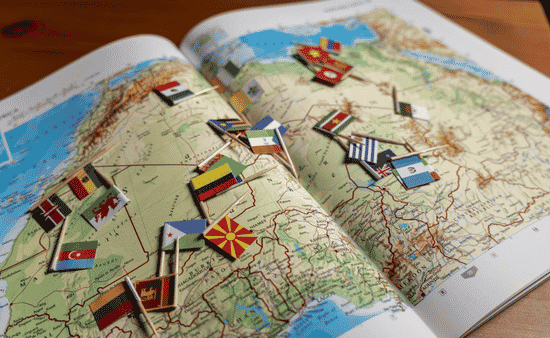
Some places look tiny on a map, but their stories are too large to ignore. I have always found small nations fascinating because they prove that influence is not measured by land size alone.
This Guide to Small Countries With Big Histories explores countries that shaped religion, trade, monarchy, culture, maritime routes, mountain identity, and global conversations in ways far beyond their borders. These nations may be compact, but their pasts are full of survival, pride, and unforgettable turning points.
Why Small Countries Often Have Powerful Histories
Small countries often become historically important because of where they are located. Some sit on busy trade routes, some protect mountain passes, and others control harbors, islands, or religious centers. Their size can actually make their history easier to see because old towns, forts, palaces, churches, ports, and cultural landmarks are often close together.
Another reason small countries stand out is survival. Many of them existed beside larger powers and had to protect their identity through diplomacy, geography, tradition, or strong leadership. Instead of conquering wide territories, they preserved independence, faith, language, or culture. That makes their stories meaningful for readers who enjoy history, geography, and world culture.
What Makes a Small Country Historically Important?
A small country becomes historically important when its story connects to something bigger than its borders. It may have protected an ancient republic, influenced global religion, defended a sea route, preserved a monarchy, or maintained a unique way of life for centuries.
The best way to understand these nations is not only to ask how small they are, but also to ask what they protected, changed, or survived. That approach turns a simple country list into a richer history guide.
San Marino: The Ancient Republic That Survived Empires
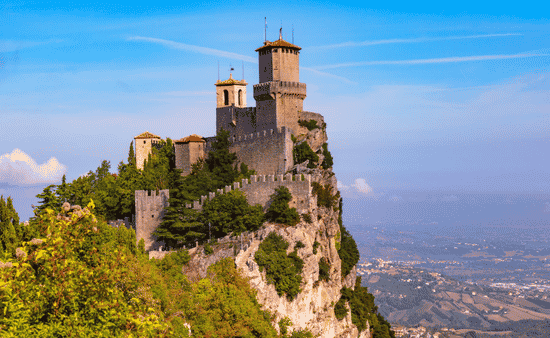
San Marino is one of the most remarkable small countries in Europe because its identity is tied to independence and republican tradition. Surrounded by Italy, it has managed to preserve its sovereignty through centuries of political change around it.
Its hilltop towers, old streets, and civic traditions make the country feel like a living history lesson. San Marino’s story is not about size; it is about endurance. It reminds readers that a tiny state can protect a political identity for generations.
Vatican City: The Smallest Country With Global Influence
Vatican City may be the smallest country in the world, but its religious and cultural impact is enormous. It is the center of the Roman Catholic Church and home to some of the most famous religious and artistic landmarks on earth.
Its importance comes from faith, symbolism, diplomacy, art, and architecture. St. Peter’s Basilica, the Sistine Chapel, and the Vatican Museums show how one small territory can hold centuries of spiritual and cultural meaning. Few countries prove the idea of “small place, big history” as strongly as Vatican City.
Malta: The Mediterranean Crossroads of History
Malta has a powerful history because of its position in the Mediterranean Sea. Located between Europe, North Africa, and the Middle East, it became valuable to traders, sailors, knights, and empires.
Its story includes ancient temples, fortified cities, maritime influence, and wartime resilience. The legacy of the Knights of St. John gives Malta a dramatic historic identity, while its ports and stone cities show why location can make a small island nation globally important.
Monaco: A Tiny Principality With Royal Legacy
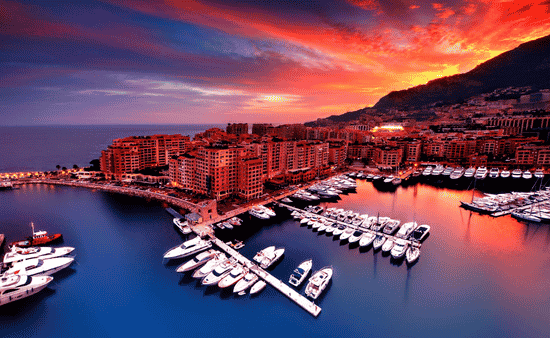
Monaco is often associated with luxury, racing, and the Riviera, but its history is deeper than glamour. Its royal identity, coastal location, and long-standing principality status make it one of the most recognizable small countries in the world.
Monaco’s story is about continuity, image, diplomacy, and survival among larger neighbors. It shows how a tiny nation can create global recognition through tradition, leadership, and cultural branding.
Liechtenstein: Alpine Identity Between Bigger Neighbors
Liechtenstein sits between Switzerland and Austria, giving it a unique Alpine identity. Its mountain setting, castles, villages, and principality traditions help it stand apart despite its small size. Like many countries known for mountains and rivers, Liechtenstein benefits from dramatic natural landscapes that shape its culture, outdoor activities, and scenic appeal for visitors.
The country’s history shows how geography can protect identity. Surrounded by larger nations, Liechtenstein maintained its own character through careful political development and cultural preservation. For readers who enjoy mountain history and old European states, it is a fascinating example.
Andorra: A Mountain Country Built on Balance
Andorra is tucked in the Pyrenees – Mont Perdu between France and Spain. Its history is shaped by mountains, local tradition, and political balance. For centuries, its survival depended on careful relationships with its larger neighbors.
Andorra’s old churches, valleys, and mountain communities reveal a country that developed through cooperation rather than conquest. Its story proves that diplomacy can be just as important as military power in shaping a nation’s past.
Bhutan: A Himalayan Kingdom That Protected Culture
Bhutan offers a powerful example from Asia. Its history is tied to Himalayan geography, Buddhist tradition, monarchy, and cultural protection. Instead of rushing to copy the outside world, Bhutan has often been known for preserving its own pace of development.
Its architecture, festivals, clothing, spiritual practices, and landscapes make its identity deeply visible. Bhutan’s story is important because it shows how a small country can protect culture while still engaging with modern life.
Tonga: A Pacific Kingdom With Deep Roots
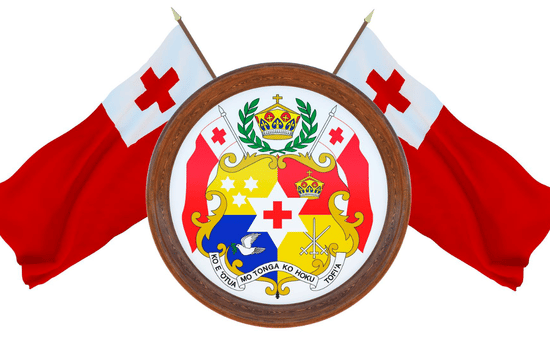
Tonga is a small island country with a long Polynesian heritage. Its history includes seafaring traditions, monarchy, community systems, ceremony, and regional identity across the Pacific.
Tonga reminds readers that history is not always written only in castles and capitals. It also lives in navigation, oral tradition, family memory, music, ritual, and ocean knowledge. For a small nation, Tonga carries a wide cultural legacy.
Lesotho: The Mountain Kingdom With a Strong Identity
Lesotho is especially memorable because it is surrounded by South Africa. Its highland geography helped shape its history, culture, and political identity. The mountains are not just scenery; they are part of the country’s survival story.
Known as a mountain kingdom, Lesotho developed a strong sense of identity through landscape, leadership, and community life. It is a reminder that natural geography can become central to national history.
Nauru and Tuvalu: Tiny Islands With Modern Importance
Nauru and Tuvalu show that small countries are not only important because of ancient history. They are also central to modern global conversations. Nauru’s story includes phosphate mining, economic change, and environmental impact. Tuvalu is often discussed in relation to climate risk, sea levels, and the future of island sovereignty.
These countries matter because they show how small nations can highlight issues that affect the whole world. Their histories continue to unfold in real time.
Small Countries vs. Micronations
Small countries are internationally recognized sovereign states with governments, borders, and diplomatic standing. Micronations are usually self-declared entities that do not have the same level of recognition.
This difference matters because recognized small countries participate in real global affairs. They may be tiny, but they have legal status, national identity, and international voices.
Frequently Asked Questions
1. Why should I read a Guide to Small Countries With Big Histories?
It helps you understand how tiny nations influenced religion, culture, trade, monarchy, diplomacy, and modern world issues.
2. Which small country has the biggest historical influence?
Vatican City is one of the strongest examples because its religious, artistic, and symbolic influence reaches across the world.
3. Are small countries and microstates the same?
Some small countries are microstates, but a microstate usually refers to a very small recognized sovereign country.
4. Which small country is best for ancient history?
Malta is a strong choice because it has ancient temples, fortified cities, maritime history, and cultural layers.
Final Thoughts
When I look at these countries, I see one clear lesson: history is never measured by land size alone. A nation can be small and still protect a faith, preserve a monarchy, defend a culture, shape a trade route, or become a symbol of survival. This Guide to Small Countries With Big Histories shows that the smallest places often hold some of the world’s most powerful stories.