American culture is full of customs that may look simple on the surface but carry deep meaning once you understand their history. A football tailgate, a Sweet Sixteen party, a Thanksgiving meal, or a high school homecoming game can reveal how people in the United States celebrate freedom, family, community, and personal milestones.
That is why exploring unique American traditions and their meanings gives a clearer picture of how Americans connect with one another through holidays, sports, school life, food, and regional pride.
Why Are American Traditions So Different From Other Countries?
American traditions feel different because the country grew through many cultural influences. Immigration brought new foods, beliefs, celebrations, and folklore. Frontier life shaped values like independence, self-reliance, and community support. Sports culture turned games into social events, and school traditions became important coming-of-age moments.
Even the history of thanksgiving traditions in the United States shows how food, gratitude, family gatherings, Native remembrance, and national identity became part of one major American holiday.
Many American customs mix serious meaning with fun. A football tailgate can feel like a party, but it also builds loyalty. A Sweet Sixteen party can look glamorous, but it often symbolizes freedom. A strange weather ritual with a groundhog may seem silly, but it reflects optimism during winter.
What Does Tailgating Mean in American Sports Culture?
Tailgating is one of the most recognizable American customs connected to sports. Fans gather in stadium parking lots before games, often grilling food, playing music, wearing team colors, and socializing from the backs of parked vehicles.
The meaning of tailgating goes far beyond barbecue. It shows how deeply sports shape American community life. Fans do not simply watch a game; they turn the entire day into a shared celebration. Tailgating represents team loyalty, local pride, friendship, and the American habit of turning public spaces into social gathering spots.
Why Is Thanksgiving Such a Meaningful American Tradition?
Thanksgiving is celebrated on the fourth Thursday of November and usually centers on a large meal with turkey, stuffing, mashed potatoes, cranberry sauce, and pumpkin pie. For many families, it is one of the most important American holiday traditions of the year.
Historically, Thanksgiving is often connected to the 1621 harvest gathering involving English colonists and the Wampanoag people. Today, its meaning focuses on gratitude, family connection, food, and reflection.
I think it is important to understand both sides of the holiday: the warm modern tradition of giving thanks and the complex history that deserves respectful awareness.
What Do Prom and Homecoming Mean for American Students?
Prom and homecoming are major high school traditions in the United States. Homecoming usually celebrates school spirit through football games, dances, parades, and alumni events. Prom is often a formal dance where students dress up, attend with friends or dates, and sometimes crown a symbolic king and queen.
These traditions serve as modern coming-of-age rituals. They mark the transition from childhood toward adulthood and create memories tied to identity, friendship, confidence, and school pride. For many American teenagers, prom and homecoming are not just dances. They are milestone moments.
Why Is Groundhog Day So Popular in America?
Groundhog Day happens every February 2, with the most famous celebration centered on Punxsutawney Phil in Pennsylvania. According to tradition, if the groundhog sees its shadow, winter continues for six more weeks. If not, spring is expected to arrive early.
This tradition has roots in European weather folklore brought by German immigrants and later adapted in Pennsylvania. The meaning of Groundhog Day is whimsy, humor, and hope. It gives people a playful way to face the dark winter months and laugh together over a shared seasonal superstition.
Why Is the Sweet Sixteen Linked to Freedom?
A Sweet Sixteen celebrates a teenager’s 16th birthday, often with a party, family gathering, or special gift. In American culture, this age also connects strongly with learning to drive, getting a driver’s license, or dreaming about a first car.
The meaning is independence. Because the United States is built around car travel in many areas, driving often represents freedom, self-reliance, and geographic independence. A Sweet Sixteen is not only about a birthday. It can symbolize a teenager’s first real step toward adult responsibility.
What Does Tipping Culture Say About American Life?

Tipping culture is one of the everyday American traditions that visitors often notice quickly. In restaurants, salons, taxis, and many service settings, customers commonly leave a gratuity, often around 15% to 20% or more depending on service quality.
The meaning of tipping is complicated. It reflects service expectations, consumer choice, and the belief that strong individual effort should receive direct reward. It also has a difficult history tied to post-Civil War labor practices and low wages in service industries. Today, tipping remains a major part of American dining and hospitality culture.
Why Do Americans Celebrate the Fourth of July With Fireworks?
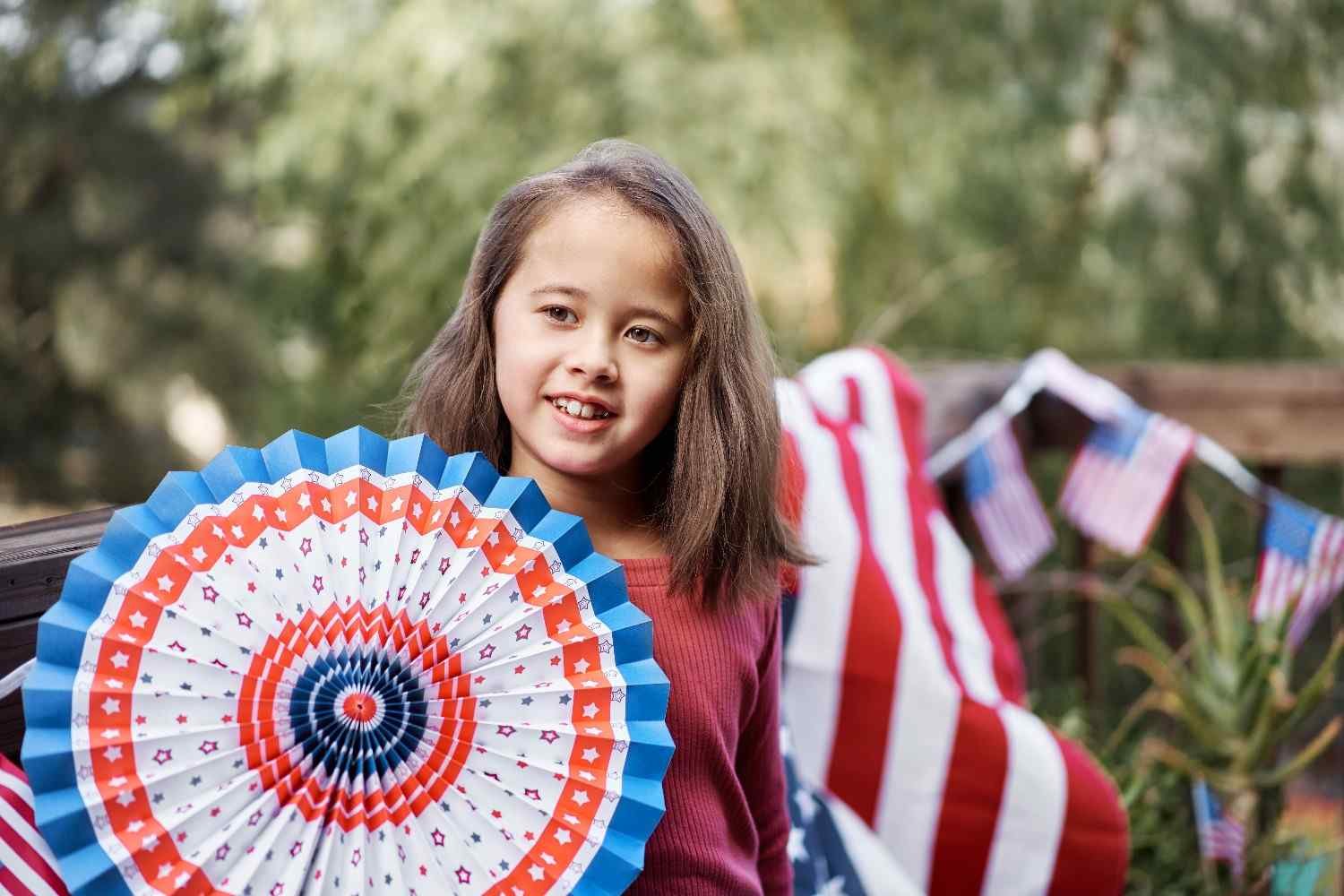
The Fourth of July, also known as Independence Day, celebrates the birth of the United States as an independent nation. Americans often mark the day with fireworks, parades, flags, cookouts, concerts, and family gatherings.
The meaning is national pride and freedom. Fireworks create a dramatic public celebration, while cookouts and local events turn the holiday into a community experience. It is one of the clearest examples of how patriotism and social celebration come together in the United States.
Why Is Halloween Trick-or-Treating So Loved?
Halloween in the United States is famous for costumes, candy, pumpkin carving, haunted houses, and trick-or-treating. Children go from house to house saying “trick or treat,” while neighborhoods decorate with lights, skeletons, pumpkins, and spooky themes.
The meaning of Halloween is imagination and neighborhood connection. It lets children and adults be playful, creative, and a little spooky. I see it as one of the best examples of how American traditions can turn an ordinary neighborhood into a shared cultural event.
How Did Super Bowl Sunday Become an Unofficial Holiday?
Super Bowl Sunday is not a federal holiday, but it often feels like one. Millions of Americans gather to watch football, eat snacks, enjoy halftime performances, and talk about commercials.
The meaning is shared entertainment. Even people who do not follow football may join the celebration for food, music, ads, or social time. It shows how sports, media, branding, and food culture blend into one national event.
What Makes Mardi Gras a Unique American Celebration?

Mardi Gras is strongly associated with New Orleans, where parades, beads, costumes, music, masks, and rich food fill the city before Lent. Its French meaning, “Fat Tuesday,” connects to eating and celebrating before a season of restraint.
The meaning of Mardi Gras is joy, cultural heritage, and regional identity. It reflects French, Catholic, African, Caribbean, and Southern influences. Unlike many national traditions, Mardi Gras shows how one city’s culture can become famous across the country.
Why Do Rodeos, County Fairs, and Regional Foods Still Matter?
Rodeos, county fairs, and regional food traditions show the local side of American culture. Rodeos celebrate ranching skills and Western heritage. County fairs highlight agriculture, crafts, contests, rides, and small-town community life.
Regional foods like Texas barbecue, New England clam chowder, Louisiana gumbo, Chicago deep-dish pizza, and Philadelphia cheesesteaks tell local stories through flavor.
These customs matter because they preserve place-based identity. They remind people where they come from and give communities a reason to gather year after year.
What Do unique American traditions and their meanings Reveal About Culture?
unique American traditions and their meanings reveal that the United States values independence, celebration, humor, family, competition, and community. Some customs come from history. Some come from immigration. Some come from sports, schools, food, and local pride.
Together, they show that American culture is not one single thing. It is a mix of national holidays, personal milestones, regional celebrations, and everyday social habits.
FAQs About American Traditions
1. What are the most unique American traditions?
Some of the most unique American traditions include tailgating, Thanksgiving, prom, homecoming, Groundhog Day, Sweet Sixteen parties, tipping culture, Fourth of July fireworks, Halloween trick-or-treating, Mardi Gras, rodeos, and Super Bowl Sunday.
2. Why are American traditions important?
American traditions are important because they help people celebrate history, family, school pride, freedom, local identity, and community connection. They also create shared memories across generations.
3. What American tradition is most meaningful?
Thanksgiving is one of the most meaningful traditions because it focuses on gratitude and family bonds. However, many people also find Sweet Sixteen celebrations, prom, homecoming, or the Fourth of July deeply meaningful because they connect to personal milestones and national identity.
4. Are American traditions the same in every state?
No, traditions vary widely by region. Mardi Gras is strongly tied to Louisiana, rodeos are popular in many Western and Southern states, and regional food customs differ across the country.
Final Thoughts
When I look at unique American traditions and their meanings, I see more than parties, holidays, games, or meals. I see the way Americans express freedom, build community, honor milestones, and keep local culture alive.
Some traditions are patriotic, some are playful, and some are deeply personal. But each one helps explain how people in the United States connect with history, family, school, sports, food, and place.