Some symbols are not made to be glanced at and forgotten. They are meant to carry memory. That is what makes Native American cultural symbols and meanings so powerful.
Across Indigenous communities in the United States, animals, feathers, arrows, water, the sun, the turtle, and sacred patterns have long helped express identity, belief, protection, and respect for the natural world.
I see these symbols as cultural storytellers, but their meanings should never be treated as one-size-fits-all. Each tribe, region, and tradition can give a symbol its own deeper meaning, which is why learning about them respectfully matters.
What Do Native American Symbols Really Mean?
Native American symbols often represent nature, spirit, protection, direction, renewal, honor, and community. They appear in beadwork, pottery, textiles, carvings, baskets, jewelry, blankets, paintings, and storytelling traditions. These symbols are not random decorations. Many carry lessons, prayers, family stories, or relationships with animals, land, water, sky, and seasons.
The key point is context. A feather, eagle, turtle, arrow, or Medicine Wheel should not be treated like a universal icon with one fixed definition. Some symbols are public and widely discussed, while others may be sacred, personal, or ceremonial.
Common Native American Animal Symbols and Meanings

What Does the Eagle Symbol Mean?
The eagle often represents courage, wisdom, strength, vision, and spiritual connection. Many traditions view the eagle as a messenger because it flies high and can be associated with prayers reaching the Creator. Eagle feathers can also hold ceremonial importance, so I recommend treating eagle imagery with care.
What Does the Bear Symbol Mean?
The bear commonly symbolizes healing, protection, leadership, courage, and physical strength. The bear claw is often connected with power, bravery, and survival.
What Does the Wolf Symbol Mean?
The wolf often stands for loyalty, family bonds, teamwork, instinct, and guidance. Because wolves live in packs, they can symbolize cooperation and responsibility to the group.
What Does the Turtle Symbol Mean?
The turtle often represents Mother Earth, longevity, patience, perseverance, and protection. In some traditions, the turtle shell is connected with the 13 full moons of the year, which links the animal to natural cycles and time.
What Does the Thunderbird Symbol Mean?
The Thunderbird is a legendary being connected with storm energy, thunder, lightning, divine protection, and exceptional strength. It appears in specific Indigenous traditions, especially in parts of the Northwest Coast and Plains.
What Does the Whale Tail Symbol Mean?
The whale tail is strongly associated with some Northwest Coast cultures. It can represent speed, strength, ocean life, travel, and a deep relationship with the sea.
Popular Geometric and Natural Symbols
What Does the Medicine Wheel Represent?
The Medicine Wheel is often used to explain interconnectedness, balance, and the cycles of life. Many teachings connect it with the four directions, four seasons, four stages of life, and spiritual balance. Still, different tribes interpret it differently, so it should not be presented as one belief system for all Native people.
What Do Arrow Symbols Mean?
A single arrow may represent protection, defense, or direction. Two crossed arrows are often interpreted as friendship or unity. A broken arrow is commonly associated with peace.
What Does Kokopelli Mean?
Kokopelli is a humpbacked flute player symbol connected with some Southwest cultures. He is often associated with fertility, agriculture, music, joy, and seasonal renewal. Since Kokopelli appears often in modern decor, it is important to remember that the image comes from specific cultural landscapes.
What Does the Dreamcatcher Mean?
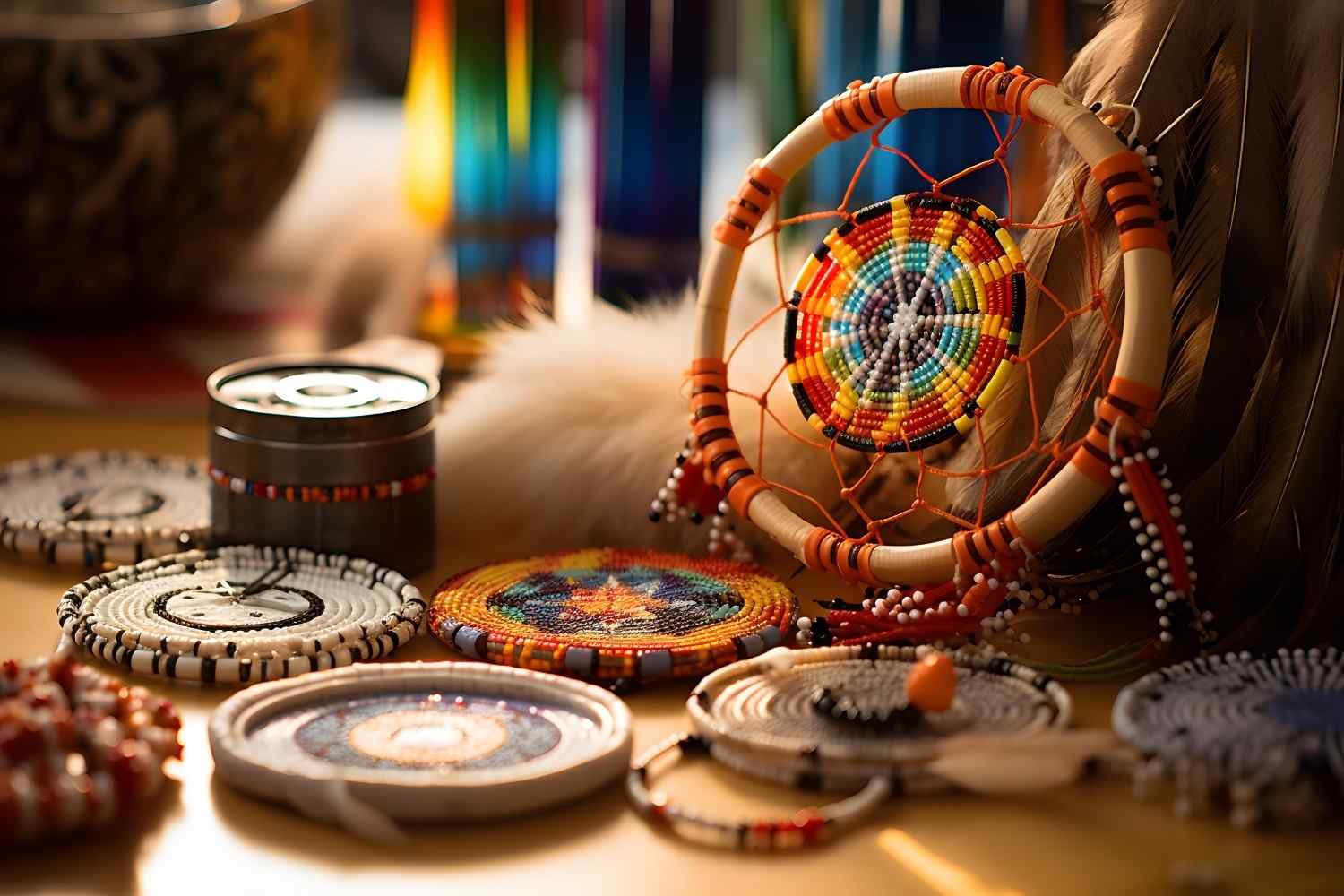
The dreamcatcher is originally connected with the Ojibwe, also known as Chippewa, tradition. Many modern explanations say the web filters harmful dreams while feathers help peaceful dreams reach the sleeper. Because dreamcatchers are widely sold as decor, they are a strong example of why Native symbols should be learned with respect.
What Do Water, Sun, Moon, Rain, and Fire Mean?
Water often represents life, purification, renewal, and survival. The sun can represent warmth, growth, energy, and life. The moon may symbolize cycles, reflection, dreams, and time. Rain often represents blessing, fertility, and renewal, while fire can stand for transformation, protection, warmth, and ceremony.
How Symbol Meanings Change Across US Regions
Native American cultural symbols and meanings change greatly across regions. In Woodlands and Plains traditions, water is often seen as a life-giver and purifier, birds may act as messengers to the sky world, and feathers can represent honor, bravery, or achievement.
In Southwest and desert cultures, water may carry stronger meaning because it is tied to renewal, farming, and survival. Birds can connect with rain, seeds, and seasonal blessings. On the Northwest Coast, water can represent the ocean, travel, food, and sea life. Birds and animals may appear as lineage crests, ancestral beings, or spiritual figures.
How to Learn These Symbols Respectfully
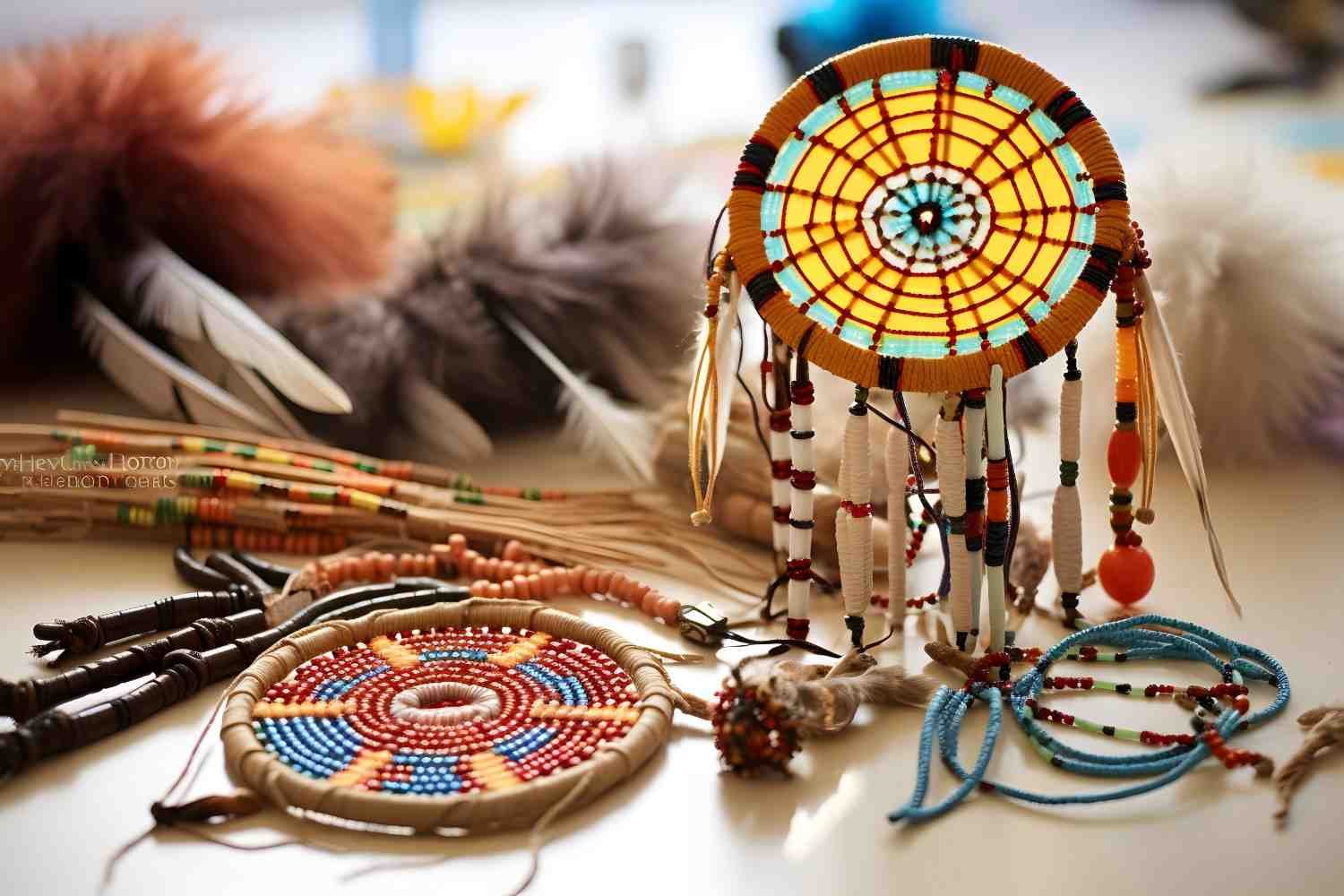
I recommend learning from Native-owned museums, Tribal cultural centers, Indigenous artists, and educational sources that identify the specific nation or region. Avoid using sacred symbols in costumes, sports themes, logos, tattoos, or party decor without deep research and permission.
If you buy Native American art, jewelry, pottery, or textiles, support authentic Native artists and sellers. That helps protect cultural work and prevents mass-produced items from misusing sacred designs.
Frequently Asked Questions (FAQs)
1. Are Native American symbols the same for every tribe?
No. Symbol meanings vary by tribe, region, language, ceremony, and cultural context.
2. What is the most recognized Native American animal symbol?
The eagle is one of the most recognized symbols because it is often connected with courage, wisdom, spiritual vision, and strength.
3. Is the dreamcatcher a Native American symbol?
Yes, the dreamcatcher is commonly traced to the Ojibwe tradition. Today it is widely commercialized, so it should be discussed and used respectfully.
4. Can I use Native American symbols for tattoos or designs?
Be careful. Some symbols are sacred, ceremonial, or tribe-specific. Always research the source and avoid copying designs without cultural context.
Final Thoughts
Learning about these symbols has helped me see Native art and storytelling with more respect. They are not just patterns or trendy design ideas. They can carry memory, identity, prayer, survival, and connection to the land.
This same respect also matters when learning about the history of thanksgiving traditions in the United States, especially because Native stories and perspectives are often connected to how Americans understand the holiday today.
For US readers, the best approach is to avoid generalizations and learn from specific Native nations, artists, and cultural educators. When we understand the context behind each symbol, we move from surface-level interest to genuine respect.