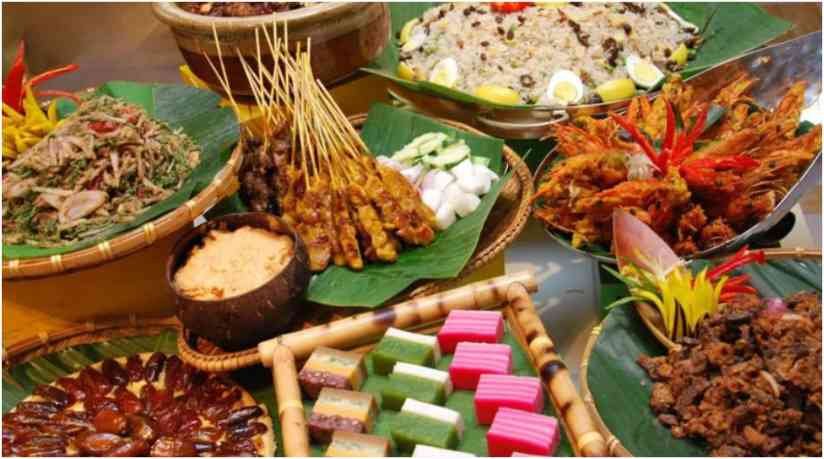
Some foods vanish quietly. One generation cooks them by memory, the next replaces them with quicker meals, and suddenly a dish that fed families for centuries becomes a footnote. That is why forgotten traditional foods around the world matter so much today.
I do not see these foods as old-fashioned curiosities. I see them as edible archives. They show how people survived drought, celebrated harvests, used wild plants, stretched scarce ingredients, and built identity through taste. For a deeper related topic, use the internal link anchor text forgotten traditional foods around the world where it fits naturally in your site structure.
Why Forgotten Foods Matter More Than Nostalgia
Lost Ingredients Can Protect Food Biodiversity
Modern food looks abundant, but it often depends on a narrow group of crops. Wheat, corn, rice, soy, and a few global staples dominate grocery aisles. That creates a problem. When agriculture leans too hard on uniform crops, food systems become more vulnerable to pests, drought, disease, and climate stress.
Traditional foods often come from hardier plants. Millet can grow with limited water. Amaranth offers edible leaves and seeds. Wild greens, fermented sauces, and regional grains helped communities adapt long before modern supply chains existed.
My simple test for any old ingredient is this: did it solve a real problem? If the answer is yes, it deserves a second look. Some lost foods are not just heritage. They are survival knowledge with flavor.
Recipes Disappear When Skills Stop Passing Down
Recipes can vanish faster than ingredients. A grandmother may know how long to simmer garlic in milk until it loses its sharpness. A fisherman may know which small fish give a stew its depth. A forager may know when nettles taste tender instead of tough.
When those skills are not taught, the dish disappears even if every ingredient still exists. That is the quiet danger behind forgotten traditional foods around the world. The loss is not only in the pantry. It is in the hands.
Ancient Ingredients That Once Ruled the Table
Silphium: Rome’s Extinct Luxury Herb
Silphium may be one of history’s most dramatic food losses. Ancient Romans valued this wild North African plant as a seasoning, medicine, and luxury item. It appeared on coins from Cyrenaica, which shows how important it became to the local economy.
Then it disappeared. Overharvesting, a narrow growing range, changing land use, and environmental pressure likely pushed it beyond recovery. Today, silphium is a warning label from the ancient world: when a culture loves an ingredient but fails to protect its source, desire can eat the future.
Millet and Amaranth: Ancient Grains Worth Revisiting
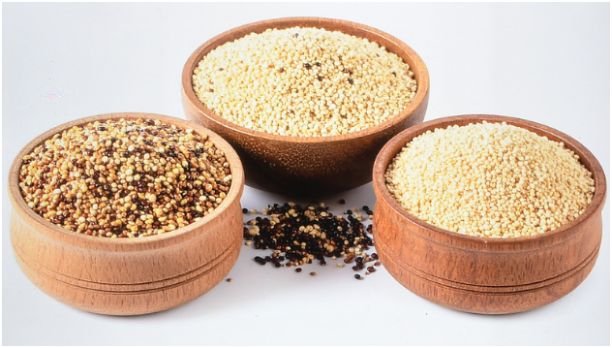
Millet and amaranth never truly vanished, but they were pushed aside. Industrial farming favored wheat, corn, and polished rice because they moved easily through large-scale systems. That made many ancient grains seem outdated.
That view now feels short-sighted. Millet is drought-resistant and nutrient-dense. Amaranth is rich in protein, minerals, and fiber. Both can work in modern US kitchens without turning dinner into a museum project.
I would use millet where I normally use couscous, rice, or oats. Amaranth works better as porridge, a thickener, or a nutty addition to baked goods. These grains prove that forgotten does not mean difficult.
Ambergris and Garum: Bold Flavors From Historic Kitchens
Some old ingredients challenge modern taste. Ambergris, a waxy substance linked to sperm whales, was once used in elite European puddings, pies, drinks, and even egg dishes. It offered a musky aroma prized by wealthy cooks. Today, it belongs more to food history than the average dinner table.
Garum is more useful for modern readers. This fermented fish sauce gave ancient Mediterranean cooking salt, depth, and umami. It functioned like a flavor engine in Roman kitchens. If you use fish sauce, Worcestershire sauce, anchovy paste, soy sauce, or miso, you already understand the basic idea. Garum shows that ancient cooks knew the power of fermentation long before “umami” became a trendy menu word.
Regional Recipes That Are Almost Slipping Away
Mugi Gaou, Papadzules, and Nettle Stew
Mugi Gaou from Japan reflects survival cooking. Built around barley porridge and wild foraged roots, it carried the memory of rural life and peasant foodways. It was not glamorous, but it was practical. Foods like this remind us that traditional cuisine is not always about royal feasts. Sometimes it is about getting through winter.
Papadzules from Mexico’s Yucatán Peninsula feel more celebratory. Corn tortillas are dipped in pumpkin seed sauce, filled with hard-boiled eggs, and topped with tomato sauce. The dish draws from Maya ingredients like corn, squash seeds, tomatoes, and chiles. It is simple, but not plain. The sauce makes it memorable.
Nettle stew from the United Kingdom shows how wild foods once filled seasonal gaps. Nettles were gathered in spring, when fresh greens mattered most. They offered minerals and a welcome break from stored winter foods. Many people now treat nettles as weeds, which says more about modern habits than the plant itself.
Benami Kheer and Hypocras
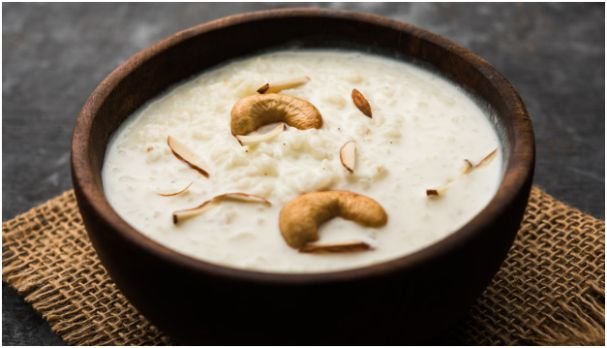
Benami kheer may be one of the most surprising desserts in Indian culinary history. This Awadhi sweet uses garlic, but not in the way most people expect. The garlic is carefully cooked in milk until its sharp flavor disappears. What remains can mimic the softness of almond paste.
That is culinary skill, not gimmick. It shows how royal kitchens valued transformation. A humble, pungent ingredient became a disguised dessert.
Hypocras tells another story. This medieval European drink mixed wine with honey and spices such as cinnamon and cloves. It was filtered, sweet, warming, and often linked with medicinal ideas. In a modern setting, it feels like a bridge between mulled wine and sangria. It also proves that many “new” drinks have very old bones.
Foods That Faded for Ethical Reasons
Ortolan Bunting and the Line Between Heritage and Harm
Not every traditional food needs a comeback. Ortolan bunting is a famous example. This small songbird became a controversial French delicacy, but hunting and eating it raised serious conservation and ethical concerns. France eventually protected the bird, and the dish moved from menu item to forbidden legend.
This is where food heritage needs maturity. A dish can be historically important and still be wrong to revive. Respecting the past does not mean repeating every part of it.
Cacciucco and the Problem With Calling Food Poor
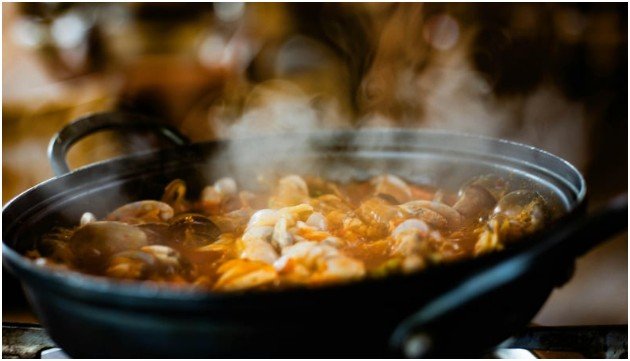
Cacciucco alla Livornese, a seafood stew from Livorno in Italy, shows a different kind of disappearance. It did not fade because the ingredients vanished. It faded partly because people looked down on fishermen’s food and treated it as poor man’s cooking.
That label has damaged many traditional dishes. Stews, porridges, scraps, offcuts, wild greens, and fermented foods often came from working-class kitchens. Later, restaurants rediscovered them and called them rustic, authentic, or artisanal.
Cacciucco proves that status can erase food as quickly as scarcity can. Sometimes the best way to save a dish is to stop being snobbish about it.
How US Readers Can Help Keep Traditional Food Alive
You do not need to recreate a Roman banquet or forage nettles without guidance. Start small and safe.
Buy one ancient grain such as millet or amaranth. Try a traditional fermented sauce. Ask older relatives about a dish they rarely see anymore. Visit regional restaurants that still cook from older food traditions. Support farmers markets when they sell heritage crops, wild greens, or less common grains.
The best approach is curiosity with respect. Some foods can be revived at home. Some belong in museums and books. Some should stay discontinued because they harm wildlife or depend on exploitative practices.
That is the real lesson of forgotten traditional foods around the world. Saving food history is not about eating everything from the past. It is about deciding what still nourishes us.
Food also moves with people, which is why understanding how migration changed world food culture helps explain why some traditional dishes spread while others slowly disappeared.
Frequently Asked Questions
1. What are forgotten traditional foods around the world?
They are old regional dishes, ingredients, grains, sauces, and cooking methods that have faded because of industrial farming, lifestyle changes, or lost family knowledge.
2. Why do traditional foods disappear?
Traditional foods disappear when ingredients become hard to find, younger generations stop learning recipes, or modern diets replace slow cooking with convenience foods.
3. Which forgotten foods are good for climate resilience?
Millet and amaranth are strong examples because they can grow in difficult conditions and offer useful nutrients for modern diets.
4. Should all lost foods be revived?
No. Foods linked to endangered species, unsafe practices, or unethical traditions should be studied, not revived.