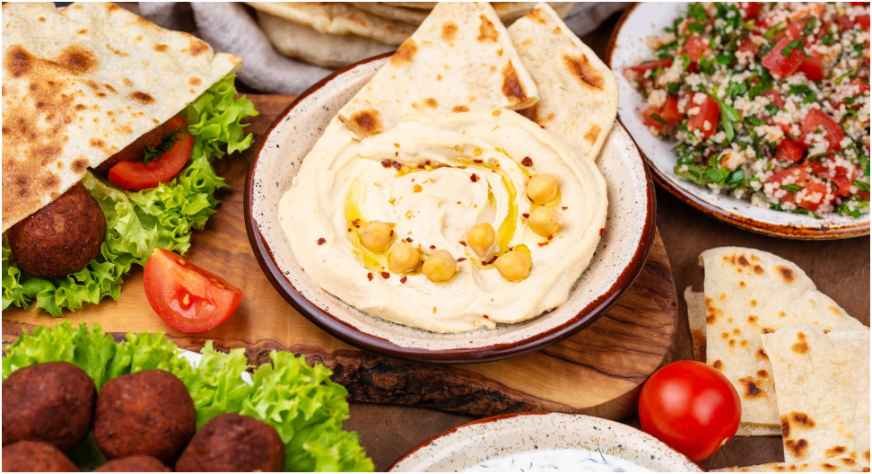
A taco, curry, pizza slice, or bowl of noodles may look familiar, but each one carries a travel story. That is the simplest way to understand how migration changed world food culture: people moved, and their food moved with them.
I find food history most interesting when it stops sounding like a textbook and starts looking like dinner. A tomato on pizza, chili in curry, or soy sauce in a neighborhood takeout box is never just an ingredient. It is proof that recipes survive borders, adapt under pressure, and become part of new places.
Why Food Travels When People Move
Food is one of the first things migrants carry in memory. A family may leave behind a house, a field, or a familiar street, but the taste of a dish often stays. Recipes become emotional luggage.
When people arrive in a new country, food helps them rebuild routine. They cook familiar meals for comfort. They shop for spices that smell like home. They teach children dishes that explain where the family came from.
This is why migration and cuisine are deeply connected. Food is not only about hunger. It protects identity, builds community, and creates a bridge between old and new lives.
The Global Exchange Of Ingredients
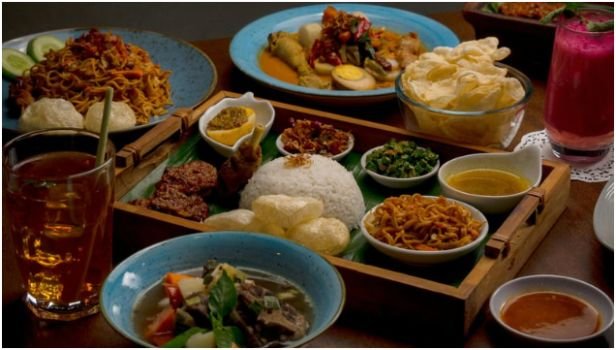
One major way how migration changed world food culture is through ingredients. Before global movement, many foods now seen as “traditional” did not exist in those cuisines.
Tomatoes, Chili Peppers, Sugar, And Wheat
The Columbian Exchange after 1492 changed kitchens across the world. Tomatoes from the Americas eventually became central to Italian cooking. Chili peppers traveled from the Americas into Asia and reshaped Indian, Thai, Korean, and Sichuan flavors.
Sugarcane moved through trade, empire, and migration into the Caribbean. Wheat and livestock moved into the Americas and changed farming, baking, and meat-based diets. These exchanges were not gentle or simple. Many happened through colonization, forced labor, and displacement.
Still, the food result is impossible to ignore. World cuisine today depends on ingredients that crossed oceans with people, ships, workers, settlers, and enslaved communities.
Why One Ingredient Can Rewrite A Cuisine
A single ingredient can change the identity of a dish. Imagine Italian food without tomatoes. Imagine many South Asian dishes without chili. Imagine Caribbean desserts without sugar.
This is where the internal story connects to how geography affects traditional food. Geography decides what grows locally, but migration decides what enters the kitchen next. Over time, imported ingredients become so normal that people forget they once arrived from somewhere else.
That is the quiet power of food migration. It turns newcomers into tradition.
How Migration Created Fusion Cuisines
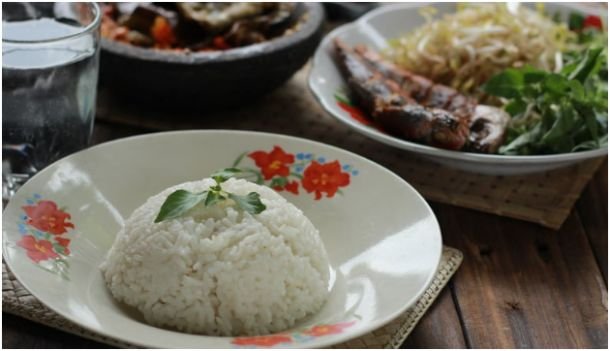
Migration rarely preserves food in a perfect frozen form. It changes it. Migrants may not find the same fish, flour, herbs, vegetables, or cooking tools in a new place. So they adjust.
This practical problem creates fusion cuisine. The cook keeps the memory of a dish but changes the ingredients around it.
Nikkei, American-Chinese, And Tex-Mex
Nikkei cuisine grew from Japanese migration to Peru. Japanese techniques met Peruvian seafood, citrus, chilies, and local ingredients. The result was not simply Japanese food in Peru. It became a new cuisine with its own identity.
American-Chinese food followed another path. Chinese immigrants adapted Cantonese cooking to local ingredients, restaurant economics, and American taste preferences. Dishes such as chop suey became cultural symbols, even when they looked different from food served in China.
Tex-Mex grew from border movement, Mexican foodways, ranching culture, and American ingredients. Later, global cities pushed fusion further with dishes like Korean BBQ tacos. These foods show how migration changed world food culture through creativity, not just preservation.
The Dish Passport Method
Here is my favorite way to read any migrated dish. Ask three questions.
What moved? This could be a person, spice, seed, cooking method, or religious food rule.
What changed? This may be the meat, grain, sauce, heat level, portion size, or restaurant format.
What stayed? This is the emotional core of the dish. It could be the spice blend, the festival meaning, the family technique, or the idea of sharing.
Take pizza as an example. Tomatoes moved from the Americas. Italian migrants carried pizza traditions into new cities. American ingredients, ovens, and dining habits changed the size, toppings, and business model. What stayed was the basic comfort of bread, sauce, heat, and shared eating.
That one dish passport explains centuries of movement in one bite.
How Immigrant Neighborhoods Changed Everyday Eating
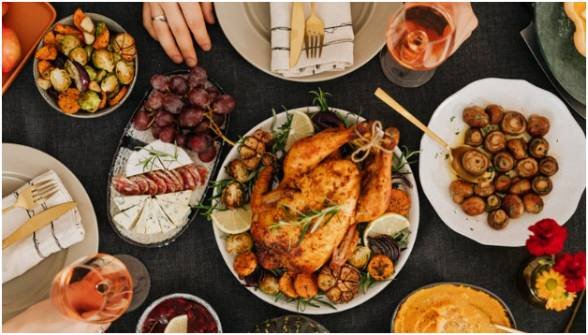
Immigrant neighborhoods often become food classrooms for the wider public. Chinatowns, Little Italys, Koreatowns, Mexican markets, Caribbean bakeries, and South Asian grocery stores help host communities taste unfamiliar food in approachable ways.
At first, these foods may serve the immigrant community itself. Restaurants sell comfort food. Markets stock homeland ingredients. Bakeries prepare festival sweets. Over time, curious neighbors visit. Then tourists arrive. Then grocery stores copy the flavors.
This is how food moves from enclave to mainstream. Pizza, bagels, tacos, sushi, curry, hummus, and ramen all traveled this path in different ways.
For American readers, this story feels especially visible. Many foods now treated as everyday favorites began as immigrant food. Some were once mocked, misunderstood, or labeled foreign. Later, they became comfort food, restaurant staples, and even national identity markers.
Food As Memory, Survival, And Identity
Food becomes more powerful during forced migration. When people flee war, partition, persecution, or disaster, cooking can help restore dignity.
A kitchen gives displaced people a way to earn money. A recipe helps elders teach younger generations. A shared meal gives strangers a reason to talk. Food can become both income and emotional repair.
Refugee Kitchens And Cultural Resilience
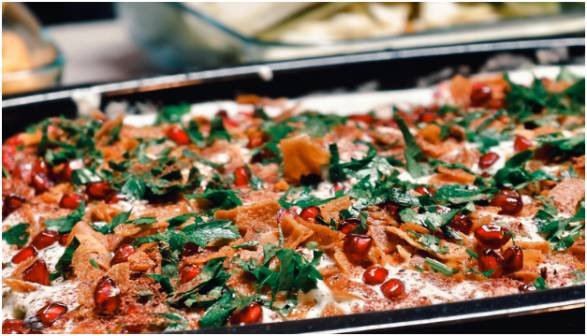
Modern refugee restaurants and community kitchens show this clearly. Syrian, Afghan, Ukrainian, Venezuelan, and other displaced communities have used food businesses to rebuild life in new cities.
A plate of kibbeh, fattoush, mantu, borscht, or arepas can do more than feed a customer. It introduces a culture without a speech. It turns survival into hospitality.
This is another answer to how migration changed world food culture. It made food a social bridge. People who may never read a migration report may still understand a culture through lunch.
The Partition Example
The 1947 Partition of British India caused one of the largest forced migrations of the twentieth century. It also changed South Asian food culture.
Punjabi refugees helped reshape Delhi’s food scene with bolder gravies, tandoori cooking, dhaba-style meals, and dishes connected to survival and rebuilding. Chole bhature, tandoori chicken, dal makhani, and roadside dhaba culture became part of a wider North Indian food identity.
This example matters because it shows migration as both loss and creation. People lost homes, but they carried techniques, flavors, and habits that changed the cities where they settled.
What Migration Means For Modern Food Culture
Today, migration continues to shape food culture at high speed. The United Nations estimates hundreds of millions of people live outside their country of birth. That means recipes, ingredients, and food businesses are constantly crossing borders.
Social media speeds up the process. A migrant chef can introduce a regional dish on TikTok. A food truck can turn a neighborhood hybrid into a national trend. A grocery delivery app can make once-rare ingredients available to home cooks.
But there is a challenge. Migrant food is often celebrated after being changed, renamed, or made fashionable. The people behind it may not always get respect, ownership, or fair credit.
So, the better way to enjoy global food is simple. Learn the story behind the dish. Say the name correctly when you can. Support restaurants and food makers from the communities that created it. Treat food as culture, not just content.
Final Bite: Your Plate Has A Passport
The next time I see a familiar dish, I try not to call it ordinary too quickly. A bowl of curry, a slice of pizza, or a taco may carry centuries of movement, survival, invention, and memory.
That is the real story of how migration changed world food culture. It did not just add new flavors. It changed what people grow, cook, sell, crave, and call home.
My tip is simple: before you eat a “global” dish, ask where it traveled from and who kept it alive. Your meal will taste richer when you know the journey behind it.
FAQs
1. How did migration influence food culture?
Migration influenced food culture by spreading ingredients, recipes, cooking methods, and food traditions into new regions.
2. What foods were changed by migration?
Pizza, curry, tacos, noodles, bagels, sushi, and American-Chinese dishes all changed through migration and adaptation.
3. Why do migrants preserve traditional food?
Migrants preserve traditional food because it protects family memory, cultural identity, religious practice, and emotional connection.
4. How migration changed world food culture in America?
How migration changed world food culture in America can be seen in pizza, tacos, Chinese takeout, bagels, barbecue influences, and fusion food trucks.