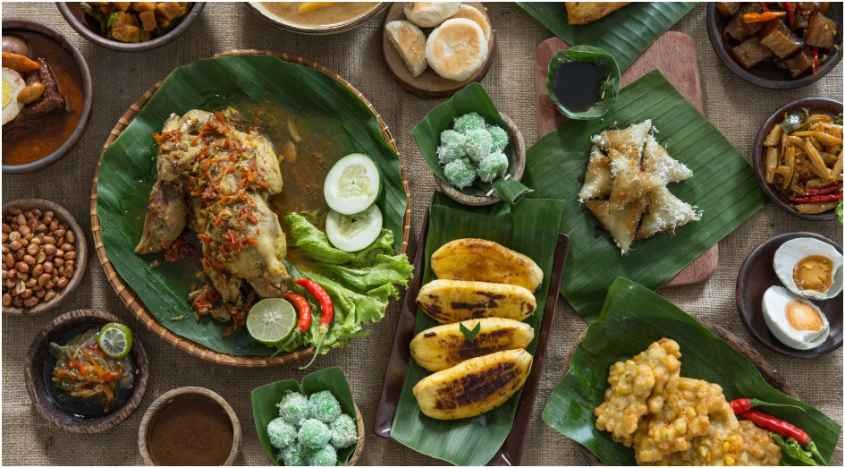
I understood how geography affects traditional food the first time I tasted the same basic ingredient in two completely different places. Rice felt soft, sticky, and central in one meal. Wheat felt warm, flat, and filling in another. The difference was not random. The land had already written half the recipe.
Traditional food begins with geography before culture adds memory, ritual, and pride. Soil, rainfall, mountains, rivers, coastlines, and trade routes decide what people can grow, catch, dry, store, and season. A dish may feel emotional at the table, but it often starts as a practical answer to a local problem.
How Geography Affects Traditional Food Before Culture Adds Meaning
The easiest way to understand how geography affects traditional food is to use the place-to-plate test. Ask four questions about any region: What grows there? What lasts there? What protein is nearby? What outside influence arrived there?
That test explains why rice dominates wet lowlands, why breads grow from dry grain regions, why seafood defines islands, and why preserved foods matter in cold climates. It also explains why “traditional” food is rarely frozen in time. Trade, migration, and climate change keep editing the menu.
Food is culture, but it is also survival. People cooked with what the land allowed. Over generations, those survival choices became comfort food, holiday meals, street food, and national identity.
Soil and Terrain Decide the Staple Foods
Staple foods usually come from the most reliable local crop. This is one of the clearest ways how geography affects traditional food across the world.
River Valleys Turn Water Into Rice Traditions

Rice loves water, so it became central in river valleys, deltas, and humid lowlands. Southern China, parts of India, Southeast Asia, and many island regions built food cultures around rice because the landscape supported it.
Low, flat areas with steady water make rice cultivation easier. Over time, rice becomes more than a side dish. It becomes breakfast, lunch, dinner, dessert, festival food, and even a symbol of prosperity.
That is why rice appears in steamed bowls, rice cakes, congee, biryani, sushi, dosa batter, and sweet puddings. The cooking styles differ, but the geography behind them is similar.
Plains and Drylands Create Bread Cultures
Dryer plains favor wheat, barley, rye, and millet. These grains store well and grow better in places where standing water is limited. Once a region depends on grain, flour-based foods naturally follow.
That is why bread cultures are strong across the Great Plains, the Middle East, North India, Central Asia, and parts of Europe. Flatbreads, noodles, dumplings, parathas, naan, and rustic loaves all come from the same basic logic: grain grows, grain stores, grain feeds.
In the US, wheat helped shape food habits across the Midwest and Plains. Sandwich bread, biscuits, pancakes, pie crusts, and pasta all reflect the power of grain-growing landscapes.
Mountains Protect Hardy Local Foods
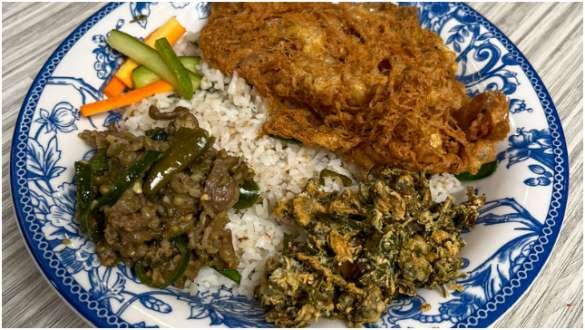
Mountains make farming harder. Thin soil, steep slopes, short growing seasons, and cold nights limit what can thrive. So mountain communities often rely on tough crops and animals that can handle rough terrain.
In the Andes, potatoes and quinoa became core foods because they could grow at high elevations. In Himalayan and Alpine regions, people leaned on barley, buckwheat, dairy, dried meats, and fermented foods.
Mountain food is often filling, preserved, and practical. It has to be. A recipe that survives altitude, snow, and isolation earns its place.
Climate Shapes Flavor, Storage, and Cooking Methods
Climate decides how fast food spoils, how long crops grow, and what cooking methods make sense. This is another major reason how geography affects traditional food in everyday life.
Cold Regions Built Food Around Preservation
Cold regions face short growing seasons. Historically, people had to stretch harvests through long winters. That need created traditions of smoking, salting, curing, drying, pickling, fermenting, and root-cellar storage.
Scandinavian cured fish, Eastern European sauerkraut, smoked meats, preserved berries, and hearty root vegetable dishes all fit this pattern. These foods were not created for trend value. They helped families survive months when fresh produce was scarce.
Even in the US, older New England food traditions show this logic. Salt cod, baked beans, preserved apples, and dense winter meals reflect a climate where food storage mattered.
Hot Humid Places Turned Spices Into Survival Tools
Hot, humid climates make food spoil faster. That helps explain why many tropical and subtropical cuisines use strong spices, acids, salt, and fermentation and how spice shaped the world cuisine.
Southern India, Southeast Asia, the Caribbean, and parts of West Africa built bold food traditions from heat, humidity, and abundant plant life. Chiles, turmeric, ginger, garlic, tamarind, vinegar, citrus, and fermented sauces add flavor, but they also helped food last longer before modern refrigeration.
This does not mean spices were used only as preservatives. People also loved the taste. Still, climate helped make those flavors useful enough to become tradition.
Dry Regions Made Every Drop Count
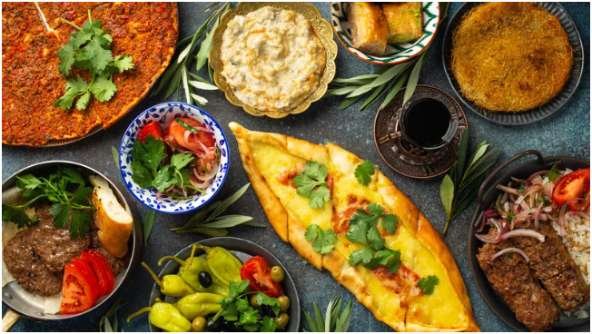
In deserts and arid zones, water scarcity changes everything. Agriculture shifts toward drought-resistant foods such as dates, lentils, chickpeas, millet, and hardy herbs. Herding also becomes important because goats, sheep, and camels can move across dry land.
Traditional foods in parts of the Middle East, North Africa, Rajasthan, and the American Southwest reflect that reality. Dried fruits, flatbreads, stews, yogurt, ghee, preserved meats, and legumes all make sense where water is precious.
The American Southwest offers a clear example. Corn, beans, squash, chiles, and drought-adapted crops shaped Indigenous and regional foodways long before modern supply chains arrived.
Water Access Changes Traditional Protein Sources
Protein sources also show how geography affects traditional food. The closer a community lives to water, the more likely its traditional diet includes fish, shellfish, seaweed, and coastal preservation methods.
Coastal Food Traditions Start With the Sea
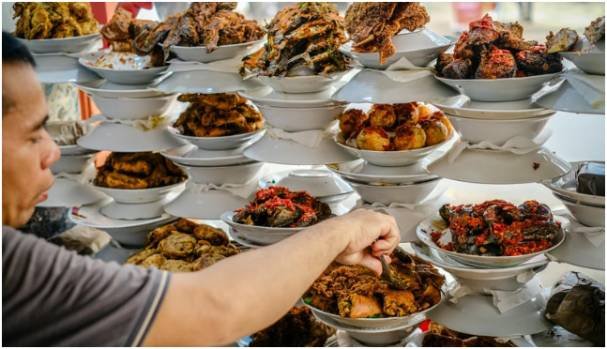
Coastal communities rarely ignore the ocean. Japan, Greece, coastal India, Portugal, Louisiana, Maine, and island regions built strong seafood traditions because fish and shellfish were close, renewable, and versatile.
Coastal food also uses preservation. Salted fish, dried seaweed, smoked oysters, pickled herring, and fermented fish sauces all show how people turned fragile seafood into lasting food.
In the US, geography makes regional seafood easy to recognize. Maine has lobster. Louisiana has crawfish and Gulf seafood. The Pacific Northwest has salmon. These foods feel cultural because they first made geographic sense.
Inland Regions Depend on Herds, Rivers, and Forests
Inland communities often turn to livestock, freshwater fish, wild game, dairy, grains, and legumes. Without easy access to oceans, people use what grasslands, rivers, forests, and farms provide.
That is why beef, lamb, goat, cheese, freshwater trout, beans, and grain-based dishes matter in many inland cuisines. Food traditions grow around the protein that geography makes dependable.
Natural Barriers and Trade Routes Rewrite Traditional Cuisine
Geography does not only decide ingredients. It decides contact. Mountains, deserts, oceans, forests, and trade corridors control how ideas move.
Isolation Keeps Food Local
Islands, mountain valleys, and remote forests often preserve older food habits. Fewer outside influences mean recipes stay tied to local crops, herbs, animals, and techniques.
This is why some small regions have foods that taste unlike anything nearby. Isolation protects culinary identity. It keeps dialects, rituals, seeds, and recipes alive longer.
Trade Turns Foreign Ingredients Into Family Recipes
Trade routes do the opposite. They bring new spices, crops, tools, and techniques. Over time, foreign ingredients become so familiar that people forget they once arrived from elsewhere.
Chili peppers from the Americas changed food across Asia, Africa, and Europe. Black pepper, cumin, cinnamon, cloves, and cardamom moved through trade routes and became central to cuisines far from their original growing regions.
That is the twist in how geography affects traditional food: tradition is often a blend of local landscape and long-distance movement.
A US Place-to-Plate Example
The US makes this topic easy to see because the country has many food geographies. New England food reflects cold weather, coastlines, and preservation. The South reflects heat, long growing seasons, corn, pork, greens, rice, and coastal trade. The Midwest reflects grain fields, dairy, beef, and practical farm cooking.
Louisiana shows the full place-to-plate test in one region. Wetlands and the Gulf provide seafood. Rice grows well in nearby lowlands. Heat encourages bold seasoning. French, African, Spanish, Caribbean, and Indigenous influences shaped the cooking through migration and trade.
That is why gumbo, jambalaya, crawfish boils, and rice-based meals feel deeply rooted. They are not just recipes. They are geography, history, and adaptation in one pot.
FAQs About How Geography Shapes Food
1. How does climate affect traditional food?
Climate affects growing seasons, spoilage, preservation, and flavor, which is why cold regions preserve more and hot regions often use spices, acid, and fermentation.
2. Why do coastal regions eat more seafood?
Coastal regions eat more seafood because oceans, bays, and rivers provide accessible protein that can be eaten fresh, dried, salted, smoked, or fermented.
3. How does terrain influence traditional cuisine?
Terrain controls farming. Valleys support rice and vegetables, plains support grains, and mountains favor hardy crops, dairy, and preserved foods.
4. What is the simplest way to explain how geography affects traditional food?
The simplest way to explain how geography affects traditional food is to ask what grows, what lasts, what protein is nearby, and what arrived through trade.
Final Bite: Let the Map Season the Meal
When I look at a traditional dish now, I do not see only ingredients. I see rivers, soil, weather, coastlines, trade routes, and people solving real problems with what they had.
That is the beauty of how geography affects traditional food. The plate becomes a map you can taste. Next time you try a regional dish, ask one question before the first bite: what did this place give its people, and how did they turn it into comfort?