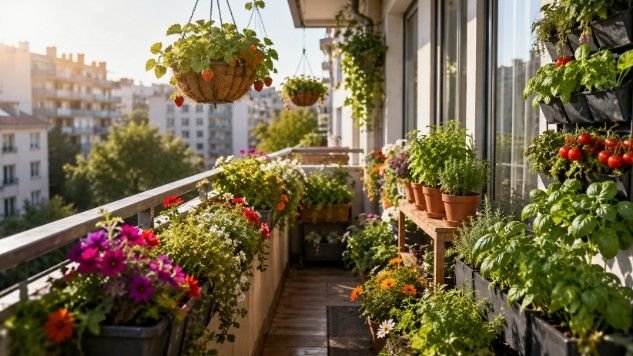
A small balcony once felt like an overlooked corner until gardening in the balcony transformed it into a lively retreat filled with fresh herbs, colorful flowers, and homegrown vegetables. Even the tiniest outdoor space can become a productive garden with the right planning, making it easier to enjoy nature without needing a backyard.
Key Takeaways
- Gardening in the balcony helps maximize limited outdoor space.
- Sunlight assessment is the first step toward plant success.
- Vertical gardening increases growing space without clutter.
- Proper drainage and quality soil prevent common plant problems.
- Choosing plants based on sunlight improves long-term results..
Start With The Right Foundation
Every successful balcony garden begins with proper planning. Before buying plants or containers, it is important to understand the unique conditions of your balcony. Factors such as sunlight, available space, wind exposure, and building regulations can influence what grows best.
Planning ahead helps avoid expensive mistakes and ensures plants receive the conditions they need to thrive throughout the growing season.
Assess Your Sun Exposure
Sunlight is one of the most important factors in gardening success. Spend several days observing how much direct sunlight your balcony receives. South-facing and west-facing balconies generally experience stronger sunlight, while north-facing and east-facing balconies tend to be cooler and shadier.
Understanding these patterns helps you choose suitable flowers, herbs, and vegetables while preventing disappointment from planting species that require different light conditions.
Check Weight Limits
Safety should always come first. Containers filled with soil can become surprisingly heavy, especially after watering. Larger ceramic pots may place additional stress on balcony structures.
Review building guidelines and landlord policies before installing extensive container gardens. Lightweight planters often provide a practical solution while reducing structural concerns.
Ensure Proper Drainage
Healthy roots need proper moisture balance. Containers without drainage holes can trap excess water, leading to root rot and fungal issues. Every container should allow water to escape freely.
Using saucers or trays beneath containers can help protect balcony surfaces while maintaining good drainage practices.
Build A Strong Growing Environment
Healthy plants depend on healthy growing conditions. Creating the right environment starts with selecting appropriate containers and investing in quality growing materials. These decisions influence water retention, root development, and overall plant health.
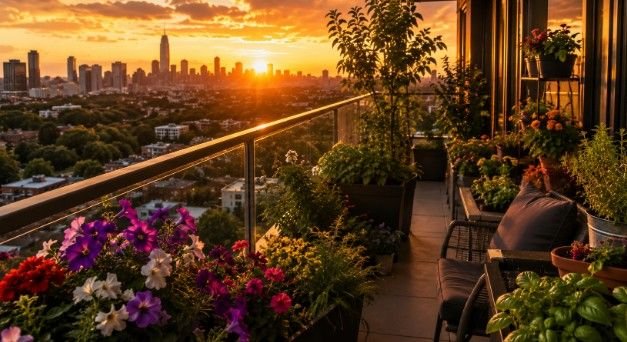
Invest In Quality Potting Mix
Not all soil is created equal. Regular garden soil often becomes compacted in containers, reducing airflow and drainage. A lightweight potting mix provides better moisture control and encourages stronger root growth.
High-quality mixes also contain nutrients that support plant development during the early stages of growth.
Choose Practical Containers
The right container makes maintenance easier. Plastic and fabric pots are lightweight, durable, and easy to move when weather conditions change. They are often more practical than heavy clay containers for balcony environments.
Container size should match the mature size of each plant to prevent overcrowding and support healthy root expansion.
Best Plants For Beginners
Choosing beginner-friendly plants increases confidence and success. Many plants adapt exceptionally well to container gardening and require minimal maintenance, making them ideal for first-time balcony gardeners.
Herbs That Thrive In Small Spaces
Herbs are among the easiest plants to grow. Basil, mint, parsley, rosemary, and thyme fit comfortably into small containers or window boxes. They provide fresh ingredients for cooking while adding fragrance and greenery to your balcony. Most herbs grow quickly and reward gardeners with continuous harvests throughout the season.
Easy Vegetables To Grow
Fresh vegetables can flourish in compact spaces. Cherry tomatoes, bush beans, radishes, lettuce, and spinach perform exceptionally well in containers. These vegetables grow efficiently without requiring extensive root systems. Growing your own produce adds both convenience and satisfaction to everyday meals.
Flowers That Add Instant Color
Flowers bring life and personality to a balcony garden. Geraniums, begonias, petunias, and marigolds create vibrant displays while attracting beneficial pollinators. Some flowering plants may also help discourage common garden pests naturally.
Combining flowers with herbs and vegetables creates a balanced and visually appealing garden layout.
Make Every Inch Count
Limited space should never limit creativity. One of the biggest advantages of balcony gardening is the ability to maximize vertical space. Smart layouts allow gardeners to grow more plants without making the area feel crowded.
Go Vertical
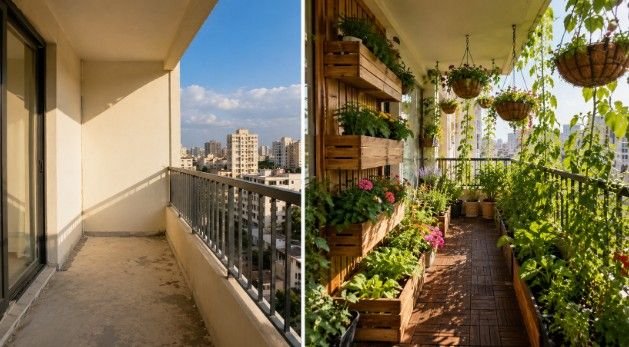
Vertical gardening creates additional growing opportunities. Wall-mounted planters, stackable containers, trellises, and hanging pockets allow plants to grow upward instead of outward. This approach increases planting capacity while keeping walkways clear.
Climbing vegetables such as cucumbers and snap peas can thrive with proper support structures.
Utilize Railings
Balcony railings offer valuable growing space. Railing planters keep flowers and herbs elevated while freeing up floor space for larger containers. Many renter-friendly options are designed for easy installation without permanent modifications. This strategy helps create a fuller garden without sacrificing functionality.
Create Layers Of Greenery
Different heights improve both aesthetics and productivity. Combining hanging baskets, shelves, and floor containers creates visual depth while ensuring plants receive adequate sunlight. Layered designs often make small balconies appear larger and more inviting.
Gardening In The Balcony: Step-By-Step Success
Starting small is often the smartest approach.
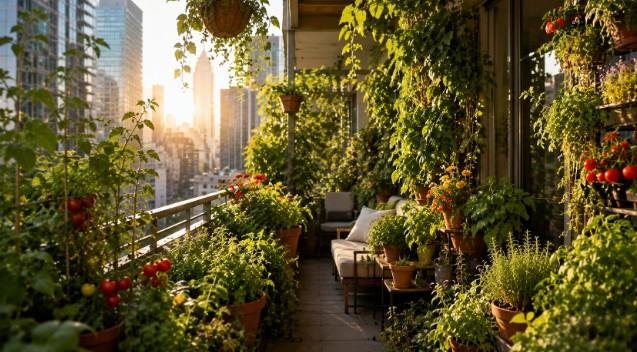
Begin by assessing sunlight levels and selecting plants suited to those conditions. Choose lightweight containers with drainage holes and fill them with quality potting mix designed for container gardening.
Arrange plants according to their sunlight requirements and leave enough room for airflow. Install vertical gardening features such as trellises or hanging baskets to maximize space while maintaining an organized appearance.
Develop a consistent watering routine based on weather conditions and plant needs. Balcony gardens often dry out faster because of wind exposure, making regular moisture checks essential for healthy growth.
Simple Care For Long-Term Results
Consistent maintenance keeps plants thriving. Balcony gardens require regular attention, but most tasks take only a few minutes each day. Monitoring water levels, removing dead foliage, and harvesting mature crops encourage healthier growth.
Stay Hydrated
Container plants dry out quickly. During warm weather, some balcony gardens may require daily watering. Wind and direct sunlight accelerate moisture loss, making regular observation essential. Checking soil before watering helps prevent both underwatering and overwatering.
Consider Self-Watering Systems
Busy schedules should not stop gardening success. Self-watering pots and compact drip irrigation systems provide consistent moisture while reducing daily maintenance. These solutions are especially useful for frequent travelers or beginner gardeners.
Reliable watering systems help maintain healthier plants during periods of high temperatures.
Frequently Asked Questions
1. Can you grow a garden on your balcony?
Yes. Gardening in the balcony is possible with proper sunlight, quality containers, good drainage, and plant varieties suited to your available space and growing conditions.
2. What is the 70 30 rule in gardening?
The 70/30 rule generally refers to using approximately seventy percent quality potting mix and thirty percent organic compost to improve soil fertility, drainage, and moisture retention.
3. What plants grow well on a balcony?
Many herbs, vegetables, and flowers thrive in balcony conditions. Popular choices include basil, mint, cherry tomatoes, lettuce, marigolds, petunias, rosemary, and parsley.
4. What is the 3-hour gardening rule?
The 3-hour gardening rule suggests that certain plants can survive with at least three hours of direct sunlight daily, although many vegetables perform better with six or more hours.
Your Balcony’s Green Adventure Starts Today
Gardening in the balcony proves that a beautiful and productive garden does not require a large backyard. With the right sunlight assessment, quality potting mix, suitable plants, and smart vertical gardening techniques, even the smallest balcony can become a thriving green oasis. Start with a few containers, grow with confidence, and enjoy the rewards of gardening in the balcony every season.