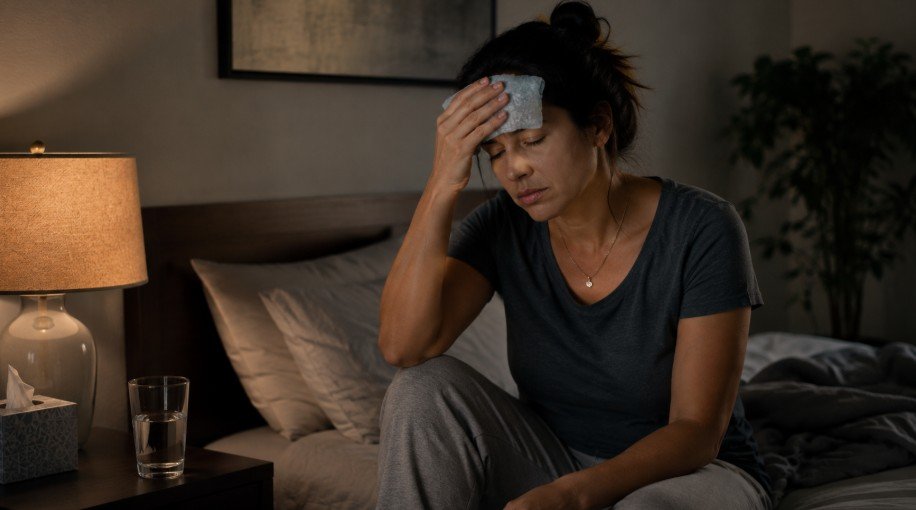
Nothing disrupts a productive day quite like a migraine that appears out of nowhere. After experiencing those moments when light feels too bright and every sound seems amplified, finding instant migraine relief at home became essential.
Thankfully, a combination of simple, science-backed techniques can help reduce migraine pain, calm symptoms, and make recovery easier without stepping outside your front door.
Key Takeaways
- Early action can significantly reduce migraine intensity and duration.
- Reducing light, noise, and stress often provides quick symptom relief.
- Cold therapy and hydration remain among the most effective home remedies.
- Ginger, caffeine, and acupressure may support faster recovery.
- Persistent or unusual migraine symptoms should be evaluated by a healthcare professional.
Why Acting Fast During A Migraine Matters
The need for instant migraine relief at home is growing because migraines often strike during work, travel, family time, or important events. Having a reliable plan can help you respond quickly instead of feeling overwhelmed by symptoms.
Fast action is often the difference between a manageable migraine and one that disrupts your entire day. The earlier you address symptoms, the better your chances of reducing their severity.
Spot The Signs Early
Recognizing migraine symptoms early can make home treatments more effective. Many people experience warning signs before a migraine fully develops. These may include fatigue, neck stiffness, mood changes, food cravings, or sensitivity to light and sound.
Learning your personal migraine patterns can help you act before symptoms become intense. Keeping a symptom journal may reveal valuable clues about triggers and timing.
Common Early Symptoms
These subtle changes often appear before migraine pain begins. Some individuals notice blurred vision, difficulty concentrating, or increased irritability. Others experience mild head pressure or unusual tiredness.
Why Timing Is Important
Quick intervention often leads to better results.
Migraines tend to become harder to control as they progress. Responding at the earliest signs gives home remedies the best chance to work.
Reduce Sensory Input Fast
Creating a calming environment can help your nervous system settle down. Light, noise, and visual stimulation often make migraines feel worse. Reducing these triggers is one of the fastest ways to find comfort during an attack.
Stress and anxiety can also increase sensory overload during a migraine, so understanding the symptoms of severe anxiety may help you recognize when emotional tension is making symptoms feel worse.
Move to a cool, dark room as soon as symptoms begin. Close curtains or blinds, switch off bright screens, and limit unnecessary movement around you.
Create A Migraine-Friendly Space
Small adjustments can make a noticeable difference. Blackout curtains, eye masks, and earplugs can reduced overloaded sensory input that may worsen migraine symptoms. A quiet environment allows your body to focus on recovery.
Give Your Brain A Break
Reducing stimulation encourages relaxation. Even brief periods away from phones, televisions, and computers may help decrease discomfort and improve your ability to rest.
Reducing daily stress and slowing down your routine can also support migraine recovery, which is why learning how to enjoy simple living may help create a calmer lifestyle around headache prevention.
Cool Down The Pain
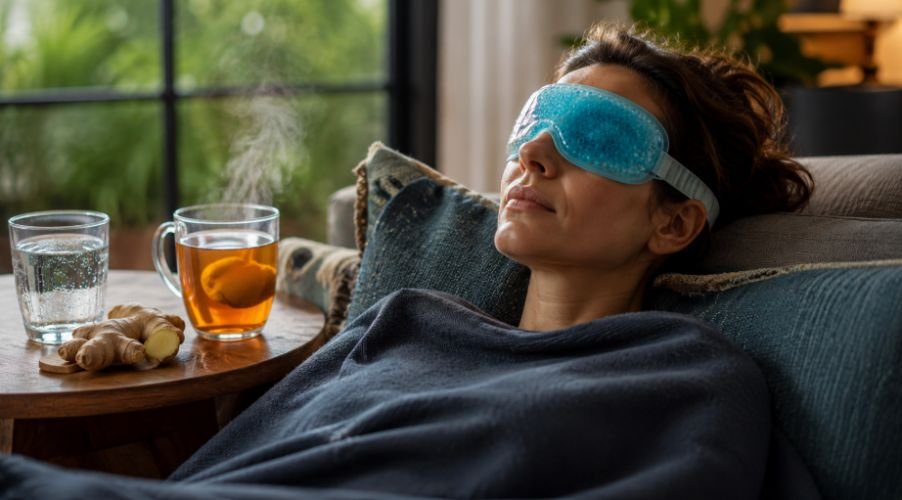
Temperature therapy remains one of the most trusted migraine remedies. Applying temperature-based treatments can help reduce pain intensity and provide soothing relief. The right approach depends on your symptoms.
Cold Therapy For Throbbing Pain
Cold applications work quickly for many migraine sufferers. Wrap an ice pack, cooling headband, or cold cloth in a towel and place it on your forehead, temples, or the back of your neck for 10 to 15 minutes. The cooling effect may help constrict blood vessels and numb pain signals.
Heat Therapy For Tension
Warmth can help when muscle tightness contributes to discomfort. If your migraine is accompanied by stiff neck or shoulder muscles, a warm compress or heating pad may help relax tense areas and improve comfort.
Hydrate And Sip Smartly
What you drink can influence migraine symptoms more than you might expect. Dehydration is one of the most common migraine triggers. Replenishing fluids early may help prevent symptoms from worsening.
Sip water slowly rather than drinking large amounts at once. Electrolyte beverages may also support hydration if dehydration is suspected.
Use Caffeine Carefully
A small amount may offer temporary relief. Some migraine sufferers find that a modest serving of coffee or caffeinated tea at the onset of symptoms helps reduce pain by narrowing blood vessels. Too much caffeine, however, may trigger headaches in sensitive individuals.
Try Ginger For Comfort
Ginger offers benefits beyond flavor. Fresh ginger tea contains natural anti-inflammatory compounds and may help settle nausea, which commonly accompanies migraine attacks.
Pressure Points That May Help
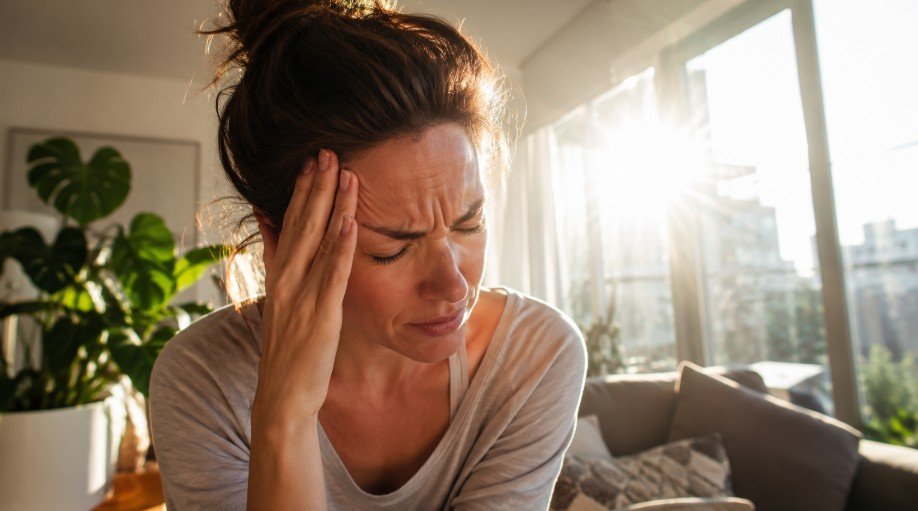
Acupressure is a simple technique that many people use alongside other remedies. This traditional approach involves applying firm pressure to specific points on the body that may help reduce headache symptoms and promote relaxation.
Focus On The LI-4 Point
This is one of the most commonly used acupressure points for headaches. Gently pinch the fleshy area between your thumb and index finger using circular pressure for about five minutes. Many people report temporary relief from head pain and tension.
Stay Consistent
Patience often improves results. Acupressure is most effective when practiced calmly and consistently while focusing on slow, steady breathing.
Take Action Before Pain Escalates
Timing plays a major role in migraine management. Whether you choose natural remedies, over-the-counter medication, or a combination of both, acting at the first sign of symptoms is often the most effective strategy.
Many healthcare professionals recommend taking approved pain relievers early in an attack rather than waiting until symptoms become severe. Early treatment may improve outcomes and reduce discomfort.
Build A Personal Relief Routine
Every migraine experience is unique. Combining hydration, reduced sensory stimulation, cold therapy, and relaxation techniques often provides better results than relying on a single remedy.
Track What Works Best
Personal experience matters. Keeping notes about successful treatments can help you identify the fastest and most effective solutions for future migraine episodes.
What To Do At The First Sign Of A Migraine
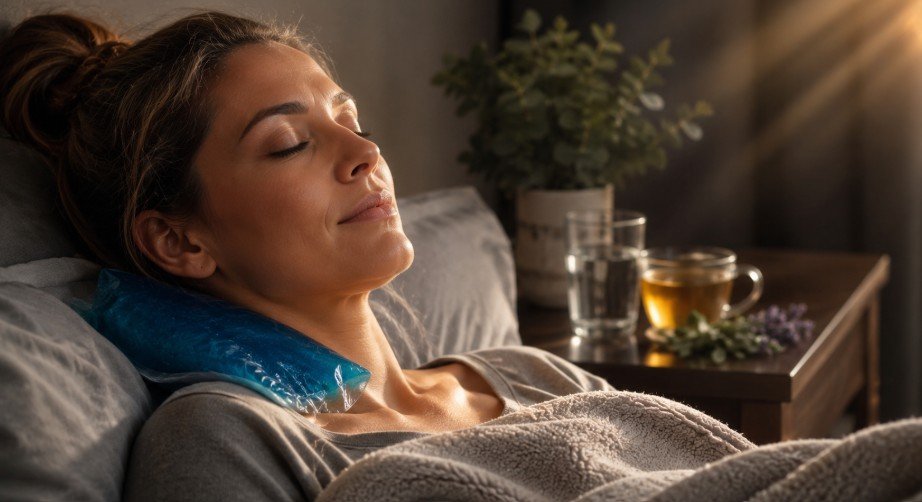
A step-by-step approach makes relief easier to achieve.
At the first sign of symptoms, immediately move to a dark, quiet room and reduce light exposure. Close your eyes, avoid screens, and minimize noise whenever possible.
Next, apply a cold compress to your forehead, temples, or neck while slowly sipping water. If dehydration or stress may be contributing factors, consider a small amount of caffeinated tea and allow yourself time to rest.
If nausea develops, sip warm ginger tea and practice slow breathing. You may also apply pressure to the LI-4 acupressure point for several minutes. For individuals who use over-the-counter medications, taking them early often provides better results than waiting until symptoms intensify.
When To Seek Professional Help
Home remedies are valuable, but some symptoms require medical attention. Frequent migraines, increasing pain intensity, or attacks that interfere with daily life should be discussed with a healthcare provider. Professional guidance can help identify underlying causes and appropriate treatment options.
Seek immediate medical care if a migraine is accompanied by sudden numbness, confusion, difficulty speaking, vision loss, or an unusually severe headache that feels different from previous episodes.
Frequently Asked Questions
1. What is the fastest way to stop a migraine?
The fastest approach is usually combining instant migraine relief at home strategies such as resting in a dark room, applying a cold compress, staying hydrated, and reducing sensory stimulation as soon as symptoms begin.
2. How to relieve a migraine in 30 seconds?
While no method guarantees complete relief in 30 seconds, closing your eyes, practicing deep breathing, reducing light exposure, and gently massaging pressure points may quickly reduce discomfort.
3. What drink cures migraines?
There is no single drink that cures migraines. However, water, electrolyte beverages, and ginger tea may help manage common triggers such as dehydration and nausea while supporting recovery.
4. What is the 5 4 3 2 1 rule for migraines?
The 5-4-3-2-1 technique is a grounding exercise that encourages you to focus on your senses. It may help reduce stress, anxiety, and sensory overload associated with migraine attacks.
Beat Migraine Days With Confidence
Finding instant migraine relief at home becomes much easier when you know which techniques work and when to use them. A combination of reduced sensory input, cold therapy, hydration, ginger, acupressure, and early action can make a meaningful difference.
Building a personalized routine allows you to respond quickly, reduce discomfort, and regain control whenever migraine symptoms appear.
Disclaimer: This article is for informational purposes only and does not replace professional medical advice, diagnosis, or treatment. Consult a qualified healthcare provider if your migraines become frequent, severe, or include unusual symptoms such as vision changes, numbness, or difficulty speaking.