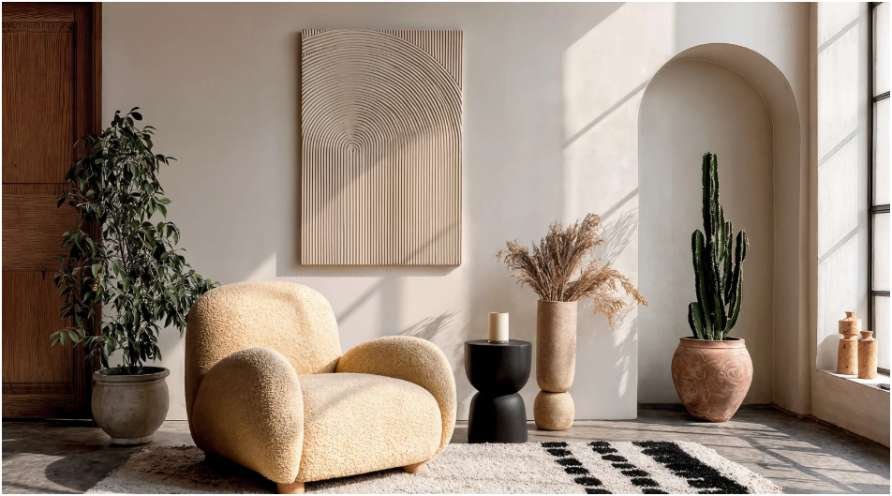
I learned how to enjoy simple living when I stopped treating calm like a reward for finishing everything. Calm became possible only after I removed the extra things, plans, apps, and spending habits that kept asking for my attention. Simple living is not about owning nothing. It is about making enough room to notice what already feels good.
For me, the change started small. I cleared one counter, cooked one basic meal, cancelled one unnecessary plan, and spent one evening without scrolling. My home looked lighter. My mind felt less crowded. My time finally belonged to me again.
Why Simple Living Feels Hard at First
Simple living feels hard because most routines are built around more. More storage, more tabs, more choices, more plans, more upgrades. That pressure can make a quiet life feel like falling behind.
The first lesson is this: simple does not mean lazy, cheap, or boring. It means intentional. When I ask how to enjoy simple living, I am really asking, “What can I remove so my actual life has more space?”
That question changes everything. Instead of chasing a perfect minimalist lifestyle, I focus on reducing friction. Fewer lost keys. Fewer impulse orders. Fewer rushed mornings. Fewer decisions before breakfast. That is where simple living becomes useful, not decorative.
Start With Your Physical Space
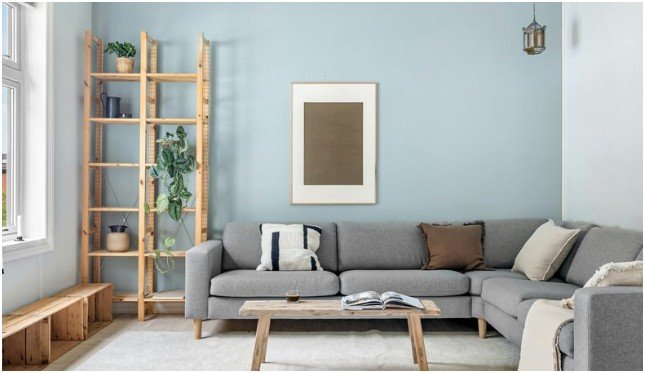
A cluttered room can make even a peaceful day feel noisy. I do not start with sentimental boxes or the garage. Those areas take more emotional energy. I start where daily stress appears first: counters, desks, entryways, nightstands, and laundry piles.
Use the One-In, One-Out Rule
The one-in, one-out rule keeps clutter from sneaking back. When I buy a mug, shirt, book, or kitchen tool, one similar item leaves. This turns decluttering from a dramatic weekend project into a normal habit.
A temporary donation box also helps. I keep one near a closet. If something feels unused, uncomfortable, duplicated, or annoying to maintain, it goes inside. After two weeks, I rarely want it back.
Keep Surfaces Quiet
Clear surfaces change the mood of a home quickly. A blank kitchen counter makes cooking easier. A clear desk makes work feel less scattered. A clean bedside table makes bedtime feel less chaotic.
I use a simple test: if an item does not support the activity that happens there, it belongs somewhere else. Coffee tools can stay near the coffee maker. Mail does not need to live on the dining table.
Build a Smaller Wardrobe
A smaller wardrobe reduces decision fatigue. I keep clothes that fit, feel good, and work together. The goal is not a strict capsule wardrobe. The goal is to stop negotiating with clothes every morning.
If I have not worn something because it pulls, itches, wrinkles badly, or needs a fantasy version of my life, I let it go. Simple living gets easier when daily choices stop arguing with you.
Reclaim Your Time Before It Gets Spent for You
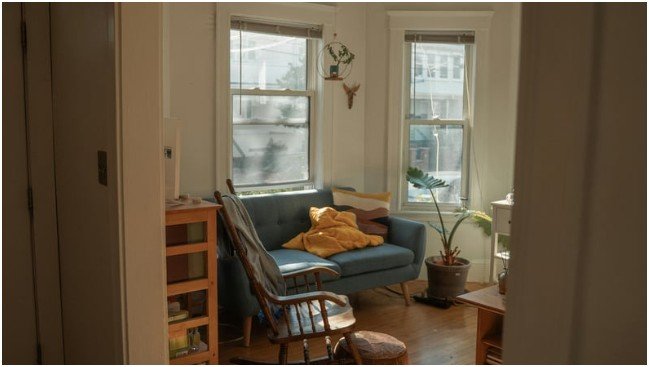
Learning how to enjoy simple living also means protecting your calendar. A clean home cannot fix an overbooked life. Time clutter feels like constant urgency, even when nothing is truly urgent.
Choose Five Real Priorities
I write down my five real priorities. Mine usually include health, family, focused work, rest, and one creative interest. Your list may look different. The point is to make your yeses visible before the world hands you more requests.
When a new plan appears, I compare it with that list. If it does not support one of those priorities, it needs a strong reason to enter my week.
Say No Without a Speech
A long explanation invites negotiation. A calm no protects your energy. I use short replies like, “I cannot make it this time,” or “That does not fit my schedule this week.”
This is not rude. It is honest. Simple living requires boundaries because every yes becomes laundry, driving, preparation, cost, and recovery time.
Batch Errands and Protect Empty Time
Batching errands saves more than gas. It saves mental switching. I group grocery runs, returns, pharmacy stops, and household tasks by location.
I also schedule empty time. Not “free time” that secretly becomes chores. Real blank space. That space gives rest, spontaneity, and reflection a place to land.
Digital Declutter for a Calmer Minimalist Lifestyle
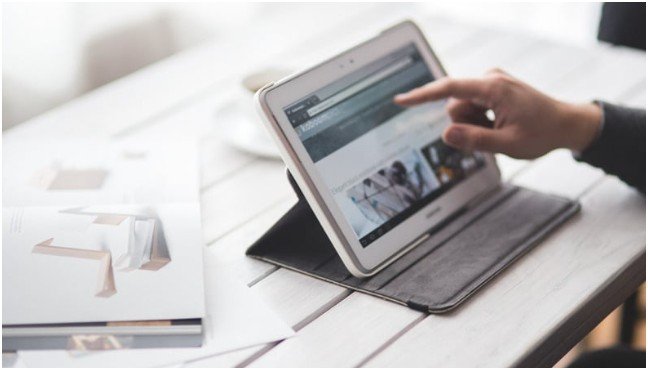
Digital clutter can feel invisible until your phone starts affecting your mood. Notifications, shopping emails, unused apps, and open tabs all create tiny demands. The fix is not quitting technology. The fix is making technology earn its place.
Turn Off Passive Notifications
I silence non-essential alerts first. Calls, calendar reminders, and urgent messages can stay. Sale alerts, random app nudges, breaking-news pings, and game reminders can go.
This one change makes how to enjoy simple living feel practical fast. Your attention stops leaking into everyone else’s agenda.
Clear Apps, Emails, and Shopping Triggers
I delete apps I have not opened in three months. I unsubscribe from promotional emails that make me want things I did not want five minutes earlier. I also remove saved payment details from stores where I impulse shop.
That extra friction matters. A slower checkout gives your values time to catch up with your thumb.
Mindful Spending and Slow Living Habits That Last

Simple living and mindful spending belong together. If money keeps flowing toward clutter, convenience, and comparison, your home and schedule will fill again.
Track What Actually Adds Value
I track spending for one month without judging it. Then I mark each purchase as useful, joyful, forgettable, or regretted. The pattern becomes obvious.
Forgettable spending is the easiest place to simplify. It often hides in delivery fees, duplicate subscriptions, random home goods, and small purchases made during stress.
Practice Single-Tasking
Single-tasking sounds too basic until you try it. Wash dishes without a podcast. Eat without a phone. Write one email without checking three tabs. Fold laundry without turning it into a media event.
This practice trains attention. It also makes ordinary tasks feel less like obstacles and more like parts of a real day.
Get Outside Daily
A daily nature habit supports slow living because nature refuses to rush for your inbox. I take a walk, sit under a tree, listen for birds, or drink coffee outside.
You do not need a national park. A sidewalk, backyard, local trail, or quiet bench can reset your pace. The goal is to let your nervous system experience something that is not asking you to buy, reply, or perform.
The 30-30-3 Simple Living Reset
My favorite practical method is the 30-30-3 reset. It is simple enough to use during a busy month.
First, spend 30 minutes a day clearing one small area. Choose a drawer, shelf, folder, inbox category, or surface. Stop when the timer ends.
Second, pause non-essential buying for 30 days. Food, medicine, repairs, and true needs are fine. Random upgrades, sale finds, and boredom purchases wait.
Third, choose three joy anchors each day. Mine are usually a simple meal, a walk, and ten quiet minutes before bed. These anchors remind me that simple living is not only about removal. It is also about enjoyment.
This reset works because it creates visible progress without turning your life into a self-improvement project. It is one of the easiest ways to practice how to enjoy simple living without feeling restricted.
FAQs
1. What is the easiest way to start simple living?
Start with one visible surface, one spending pause, and one daily quiet habit.
2. How do I enjoy simple living without feeling deprived?
Keep what you use and love, then remove what creates stress, guilt, clutter, or pressure.
3. Can simple living save money?
Yes, because mindful spending reduces impulse buys, duplicate purchases, unused subscriptions, and convenience costs.
4. How to enjoy simple living with a busy family?
Use shared donation boxes, simple meals, fewer weekend commitments, and screen-free pockets everyone can follow.
Final Take: Keep the Peace, Lose the Noise
I enjoy simple living most when I stop making it look impressive. I do not need a perfect pantry, beige wardrobe, or silent house. I need fewer things interrupting the life I already have.
Start with one quiet surface today. Then protect one quiet hour this week. That is enough momentum. The softer life does not arrive all at once. It shows up every time you choose peace over performance.