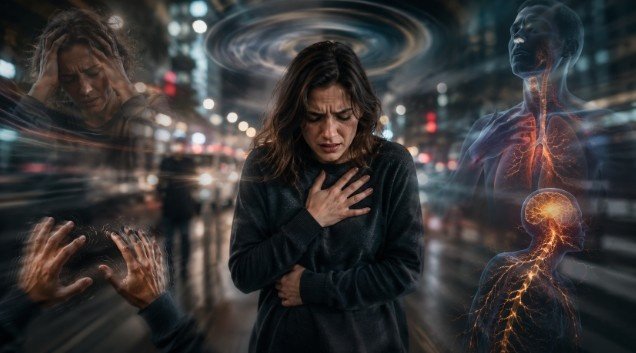
A pounding heart, racing thoughts, and a sudden feeling that something terrible is about to happen can be frightening. Many people experience stress, but symptoms of severe anxiety go far beyond everyday worries. These intense emotional and physical reactions can disrupt work, relationships, sleep, and overall well-being. Learning to recognize the signs can help you understand when anxiety may require professional support.
Key Takeaways
- Severe anxiety affects the mind, body, and behavior simultaneously.
- Symptoms can mimic serious medical conditions.
- Persistent anxiety can interfere with daily activities.
- Early recognition often leads to better outcomes.
- Professional treatment can significantly improve quality of life.
Why Early Awareness Counts
Understanding symptoms of severe anxiety can feel a bit like learning the warning lights on a car dashboard. Ignoring them rarely makes them disappear. The sooner you recognize these signals, the easier it becomes to seek support, manage symptoms, and prevent anxiety from taking over everyday life.
Many people dismiss their experiences as “just stress” until symptoms become overwhelming. Knowing what severe anxiety looks and feels like can help you take action before it starts affecting your health, work, and relationships.
Understanding Severe Anxiety
Severe anxiety is not simply feeling nervous before an important event. It is an intense and persistent state of fear, worry, or dread that can remain present even when there is no immediate threat.
The body’s natural fight-or-flight response is designed to protect us from danger. In severe anxiety, that system can become overactive, triggering physical and emotional symptoms that feel impossible to ignore.
These reactions can occur occasionally or become a regular part of daily life, making routine tasks feel overwhelming and exhausting.
Severe Psychological Symptoms
These emotional and mental symptoms often create the greatest disruption because they can affect thoughts, decision-making, and overall confidence.
Sense Of Impending Doom
A person may feel completely convinced that something terrible is about to happen. This overwhelming fear often appears without a clear reason and can feel impossible to control.
Even in safe environments, the brain continues sending danger signals, creating constant emotional distress and heightened alertness.
Panic And Terror
Severe anxiety can trigger sudden waves of intense fear that build rapidly. These episodes may feel terrifying and often peak within minutes.
Many people describe the experience as losing control of their emotions while feeling trapped inside a cycle of escalating panic.
Derealization And Depersonalization
Some individuals feel disconnected from their surroundings or their own body. Familiar places may seem dreamlike, distant, or unreal.
This symptom can be especially frightening because it creates confusion and increases fear, often making anxiety symptoms feel even more intense.
Severe Physical Symptoms
The body often reacts just as strongly as the mind. These physical symptoms are among the most common symptoms of severe anxiety.
Heart And Chest Symptoms
A rapid heartbeat, strong palpitations, chest pressure, and tightness are common signs of severe anxiety.
Because these sensations can resemble cardiac issues, many people seek emergency medical attention before realizing anxiety may be contributing to the symptoms.
Breathing Difficulties
Shortness of breath or dyspnea, hyperventilation, and choking sensations frequently occur during severe anxiety episodes. These breathing changes can intensify feelings of panic and create a frightening cycle where fear makes symptoms worse.
Neurological Reactions
Dizziness, trembling, shaking, numbness, and tingling sensations often accompany anxiety attacks. These symptoms result from the body’s heightened stress response and may appear suddenly during periods of intense emotional distress.
Signs That Show Up In Daily Life
Behavioral changes often reveal how deeply anxiety is affecting someone’s routine and quality of life.
Avoidance Behaviors
People may begin avoiding certain places, situations, or social interactions because they fear triggering another anxiety episode. Over time, this avoidance can shrink a person’s comfort zone and reduce participation in normal activities.
Freezing Responses
Some individuals become unable to speak, move, or make decisions during periods of overwhelming anxiety. This reaction occurs because the brain perceives danger and temporarily struggles to process information effectively.
Constant Restlessness
Many people with severe anxiety find it difficult to relax. Sitting still, focusing on tasks, or enjoying leisure activities may feel nearly impossible. The body remains in a heightened state of alertness, making calmness difficult to achieve.
Symptoms Of Severe Anxiety In Real Life
Recognizing symptoms of severe anxiety early can help prevent them from becoming more disruptive.
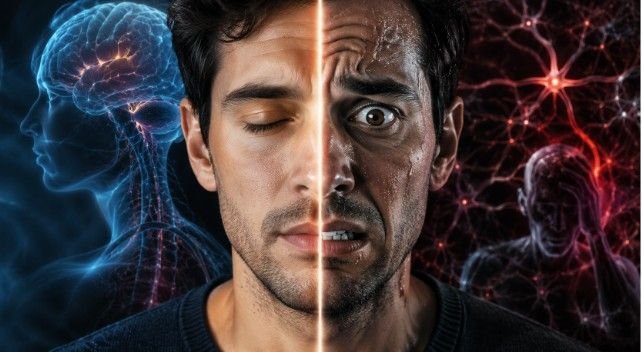
Start by paying attention to recurring emotional and physical patterns. Notice situations that trigger excessive worry, panic, or physical discomfort. Keeping a journal can help identify trends and recurring triggers.
Next, focus on building healthy coping habits. Consistent sleep with relaxing rain sounds to sleep, regular physical activity, mindfulness practices, and limiting stimulants such as excessive caffeine can help reduce anxiety levels over time.
Finally, seek professional guidance if symptoms begin affecting work, relationships, or daily functioning. Mental health professionals can provide evidence-based treatments that help manage severe anxiety effectively.
Getting Support Quickly
If symptoms are interfering with daily life, reaching out for professional support is an important step. Therapists, psychologists, and psychiatrists can help assess symptoms and recommend appropriate treatment options.
Reliable mental health organizations also provide educational resources about anxiety disorders, treatment methods, and coping strategies. Accessing trustworthy information can make the recovery process feel less overwhelming.
In moments of emotional crisis or severe distress, immediate support services should be contacted. Seeking help is a sign of strength and an important part of protecting your well-being.
Frequently Asked Questions
1. What does crippling anxiety feel like?
Crippling anxiety often feels overwhelming and all-consuming. It can make simple tasks seem impossible while causing intense fear, racing thoughts, physical discomfort, and difficulty functioning normally throughout the day.
2. What do they give you at the hospital for anxiety?
Hospitals typically assess your symptoms first. Depending on severity, healthcare providers may offer short-term anxiety-relief medications, monitoring, counseling recommendations, and referrals for ongoing mental health treatment.
3. What are the symptoms of anxiety spiral?
An anxiety spiral often includes escalating worry, racing thoughts, physical tension, increased fear, difficulty concentrating, sleep disturbances, and a growing sense that the situation is becoming uncontrollable.
4. What does an anxiety attack feel like?
An anxiety attack may involve intense fear, rapid heartbeat, chest tightness, sweating, dizziness, trembling, shortness of breath, and a strong feeling that something terrible is about to happen.
Breaking Free From Symptoms Of Severe Anxiety
Symptoms of severe anxiety can feel overwhelming, unpredictable, and exhausting, but they do not have to define your life. Recognizing the warning signs, understanding their impact, and seeking support when needed are important steps toward recovery.
With the right coping strategies, professional guidance, and self-awareness, it is possible to manage symptoms of severe anxiety and regain a greater sense of control, confidence, and peace of mind.