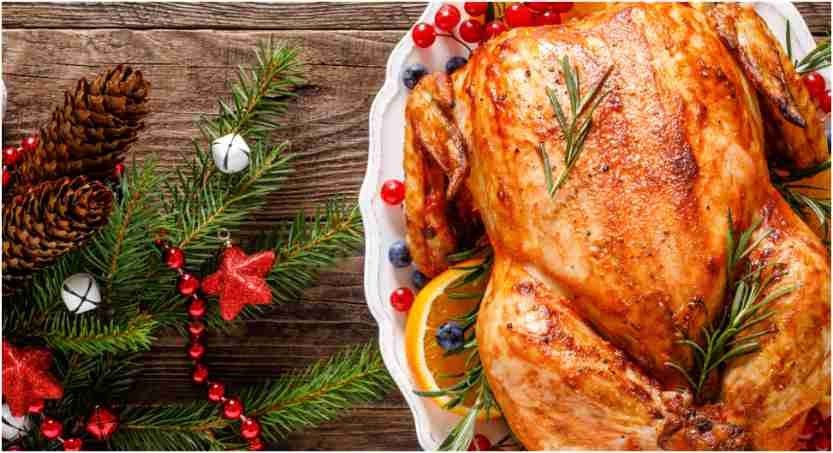
Christmas dinner does not look the same everywhere, and that is the best part. The foods eaten during Christmas around the world can include roast goose, seafood banquets, tamales, fried chicken, biryani, plum cake, and pavlova, depending on where the table is set.
I love this topic because Christmas food tells you more than a recipe ever could. It shows weather, religion, family history, local ingredients, and how people define celebration. Some tables feel grand and formal. Others feel loud, homemade, messy, and delicious. Both belong.
Why Christmas Food Changes So Much From Country to Country
Christmas food is shaped by four big forces: climate, faith, local ingredients, and family labor. In colder parts of Europe, rich roasts and dense cakes make sense. They feel warm, filling, and seasonal. In coastal Catholic traditions, Christmas Eve often leans toward fish or meatless meals. In warm Southern Hemisphere countries, heavy roasts may lose to seafood, cold ham, and outdoor barbecue.
That is why the same holiday can taste completely different across the globe. The meal is not only about Christmas. It is about what people can cook, share, afford, remember, and pass down.
Traditional Christmas Foods in Europe
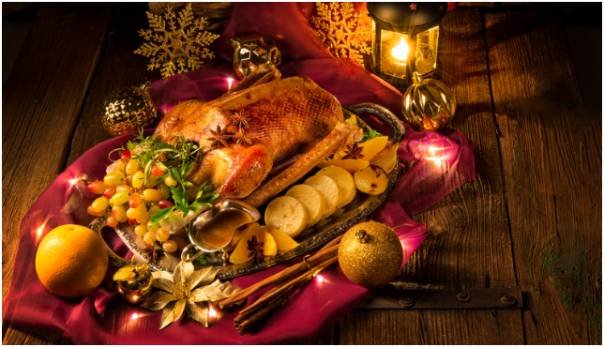
Europe has some of the most recognizable Christmas food traditions. Many dishes are rich, symbolic, and tied to Christmas Eve or Christmas Day rituals.
Germany: Roast Goose, Red Cabbage, Dumplings, and Stollen
In Germany, Weihnachtsgans, or Christmas goose, often becomes the centerpiece. It is usually served with potato dumplings, red cabbage, and stuffing. Roast duck is also common, but goose has a strong festive reputation.
Dessert brings in stollen, a dense fruit bread made with spices, nuts, dried fruit, and often marzipan. It feels less like a light cake and more like a serious winter treat. One slice with coffee can taste like an entire Christmas market.
Italy: Seafood Feasts and Panettone
Italy’s Christmas table changes by region, but Christmas Eve is famous for seafood. Many Italian American families celebrate the Feast of the Seven Fishes, serving dishes such as cod, calamari, mussels, clams, shrimp, or baked fish.
Panettone is the sweet star. This tall, dome-shaped bread is soft, buttery, and filled with raisins and candied fruit. I think of it as the dessert you slice slowly because it somehow works for breakfast, dessert, and late-night snacking.
France: Réveillon and Bûche de Noël
France brings elegance to the Christmas table with Réveillon, a long festive meal often enjoyed on Christmas Eve. It may include foie gras, oysters, smoked salmon, roast capon, or other special dishes.
The dessert is often Bûche de Noël, a sponge cake rolled with cream and decorated like a Yule log. It is beautiful, rich, and dramatic enough to make people stop mid-conversation.
Poland: Wigilia and the 12-Dish Christmas Eve Table
Poland’s Wigilia meal takes place on Christmas Eve and is traditionally meatless. Many families serve 12 dishes, often linked to the 12 apostles. The meal may begin with opłatek, a thin wafer shared with blessings and good wishes.
Common dishes include barszcz, a beet soup often served with tiny dumplings, pierogi, carp, mushroom dishes, and makowiec, a poppy seed roll. This table feels deeply symbolic. It is not just about abundance; it is about ritual.
United Kingdom: Turkey, Pigs in Blankets, and Christmas Pudding
A classic British Christmas dinner usually includes roast turkey or goose, roast potatoes, stuffing, gravy, vegetables, and pigs in blankets. Yorkshire puddings may also appear, especially when families love a generous roast dinner style.
Christmas pudding brings the drama. This dense, spiced dessert is packed with dried fruit and often served flaming with brandy. It is bold, old-fashioned, and not shy at all.
Christmas Food Traditions in the Americas
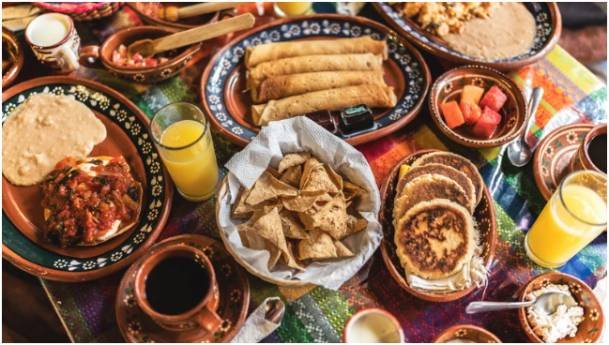
In the Americas, Christmas food often mixes Indigenous ingredients, European influence, family migration, and regional comfort food.
Mexico and Central America: Tamales, Posole, and Bacalao
Tamales are one of the most meaningful Christmas foods in Mexico and Central America. They are made with masa, filled with meat, cheese, vegetables, or chiles, then wrapped in corn husks or banana leaves and steamed.
The best part is the tamalada, a tamale-making gathering where relatives divide the work. Someone spreads masa. Someone adds filling. Someone folds. Someone tells stories. That is why tamales feel like more than food.
Other festive dishes may include posole, a hominy-based soup, and bacalao, a salted cod dish often served around Christmas.
United States: Turkey, Ham, Casseroles, and Eggnog
In the United States, Christmas dinner often looks close to Thanksgiving. Many tables feature roast turkey, glazed ham, stuffing, mashed potatoes, gravy, cranberry sauce, rolls, and green bean casserole.
Eggnog also has a strong December identity. It is rich, creamy, spiced, and usually served chilled. For food safety, holiday hosts should keep perishable dishes out for no more than two hours, especially dairy, eggs, meat, seafood, and cooked rice.
Holiday Dishes Around the World in Asia and Oceania
Some of the most memorable holiday dishes around the world come from places where Christmas food has been adapted in modern, local, or climate-driven ways.
Japan: KFC and Strawberry Christmas Cake
Japan has one of the most famous modern Christmas food traditions: KFC. The custom became popular after a 1970s marketing campaign, and many families still order fried chicken for Christmas.
It is often paired with Japanese Christmas cake, a light sponge cake topped with whipped cream and strawberries. Compared with heavy fruitcake, this dessert feels soft, bright, and cheerful.
India: Biryani, Cutlets, and Plum Cake
In India, Christmas food varies by region and community. Many Christian families prepare chicken or mutton biryani, vegetable cutlets, curries, appam, stews, or fried snacks.
Plum cake is one of the most loved festive sweets. Dried fruits are often soaked in alcohol or juice weeks ahead, then baked into a dark, spiced cake. It is shared with neighbors, relatives, and guests, which makes it feel communal.
Australia and New Zealand: Seafood, Barbecue, and Pavlova
Christmas falls during summer in Australia and New Zealand, so the table often feels lighter. Families may serve prawns, grilled seafood, cold ham, salads, and barbecue dishes outside.
Pavlova is the dessert that steals attention. It has a crisp meringue shell, soft center, whipped cream, and fresh fruit. It makes perfect sense for a warm Christmas because it feels festive without feeling heavy.
My Christmas Plate Map for Curious Eaters
When I compare the foods eaten during Christmas around the world, I use a simple plate map. First, look at the main dish. Is it roast meat, seafood, corn-based food, rice, or barbecue? That usually tells you about climate and local ingredients.
Second, look at the sweet dish. Stollen, panettone, plum cake, Christmas pudding, and pavlova all show how different cultures define celebration. Some desserts are dense and preserved. Others are airy and fresh.
Third, look at how the food is made. A tamalada needs many hands. Wigilia needs ritual. Réveillon needs time. A Japanese KFC order needs planning. The work behind the plate is part of the tradition.
FAQs About Christmas Foods Around the World
1. What are the most popular Christmas foods around the world?
Roast turkey, goose, tamales, panettone, seafood, Christmas pudding, plum cake, KFC in Japan, and pavlova are widely known Christmas foods.
2. Why do some countries eat seafood on Christmas Eve?
Seafood is common in some Catholic-influenced Christmas Eve meals because families traditionally avoided meat before Christmas Day.
3. What country eats KFC for Christmas?
Japan is famous for eating KFC at Christmas, a tradition linked to a successful 1970s holiday marketing campaign.
4. What Christmas dessert is popular in Australia and New Zealand?
Pavlova is a popular Christmas dessert in Australia and New Zealand because it is light, fruity, and suited to summer weather.
Final Bite: Build a Christmas Plate With Passport Energy
The foods eaten during Christmas around the world prove that there is no single correct holiday dinner. A Christmas table can be smoky, spicy, buttery, seafood-heavy, fruit-filled, or proudly fast-food festive.
My tip is simple: borrow one global dish this year. Add panettone to breakfast, make tamales with friends, serve pavlova after dinner, or try a seafood starter. Your plate gets more interesting when it travels before you do.