I always find menus more interesting when a dish sounds like a destination. One bite can point to Hamburg, Dijon, Buffalo, Gouda, Kyiv, Beijing, or Alaska. That is why foods named after countries or cities are more than trivia. They show how trade, migration, local pride, and smart naming turned regional dishes into global favorites.
Some names are direct. Others are messy, debated, or shaped by marketing. That is what makes the topic fun. A place name can tell the truth, bend the truth, or preserve a story people still argue about.
Why Place Names Stick to Famous Foods
Food names travel because people do. Immigrants carry recipes. Traders move ingredients. Restaurants turn local dishes into national habits. Once a place name becomes attached to a flavor, it can stay there for centuries.
The most useful way to understand foods named after countries or cities is to ask what the name is doing. Is it showing origin? Is it showing where the food was traded? Is it honoring a place? Or is it using a location to make food sound special?
The Three Naming Patterns I Notice Most
The first pattern is birthplace naming. Buffalo wings belong here because the dish is strongly linked to Buffalo, New York.
The second pattern is market naming. Gouda is a great example. The cheese became associated with the city because Gouda was a major cheese market.
The third pattern is identity naming. Belgian waffles and English muffins became useful labels in the United States because they helped shoppers understand style, texture, and origin.
This is my place-name passport test. If a food name carries a location, I ask whether the place is the birthplace, the trade center, or the selling point.
Meat Dishes With City Names That Traveled Far
Main dishes often carry place names because they move through ports, restaurants, and immigrant communities. These dishes also show how a local word can become part of everyday American eating.
Hamburger: From Hamburg to an American Icon
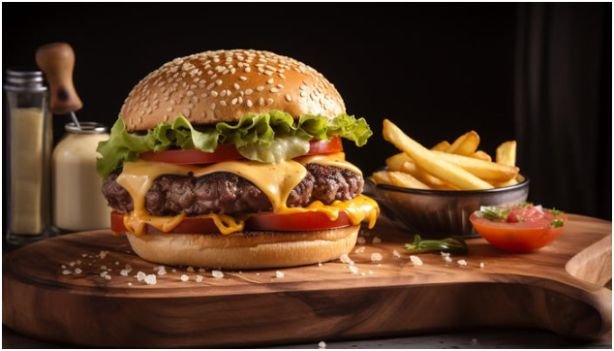
The hamburger is the most familiar example for US readers. Its name connects to Hamburg, Germany, where chopped beef traditions helped shape what later became hamburger steak. German immigrants brought food habits to the United States, and American restaurants helped turn ground beef on a bun into a fast-food classic.
The modern hamburger is not just German or American. It is both. That is why it is one of the best foods named after countries or cities for showing how recipes change after migration.
Frankfurter, Wiener, Chicken Kyiv, and Peking Duck
Frankfurters are named after Frankfurt, Germany. Wieners come from Wien, the German name for Vienna, Austria. Both names show how sausages can carry city identity even after becoming standard hot dog options in the United States.
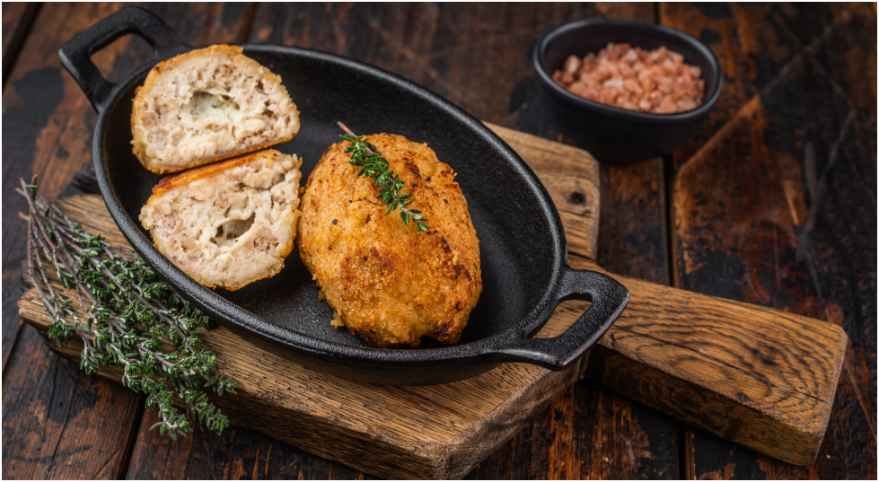
Chicken Kyiv, also known historically as Chicken Kiev, is a breaded chicken breast rolled around cold butter. The name points to Kyiv, Ukraine’s capital. The spelling “Kyiv” has become more common in English because it reflects the Ukrainian form of the city’s name.
Peking Duck carries an older English name for Beijing. The dish is tied to Beijing cuisine and is famous for its crisp skin, careful roasting, pancakes, scallions, and sauce. Its history is deeper than the name alone, but the place name helped make it recognizable worldwide.
Buffalo Wings and the Power of Local Pride
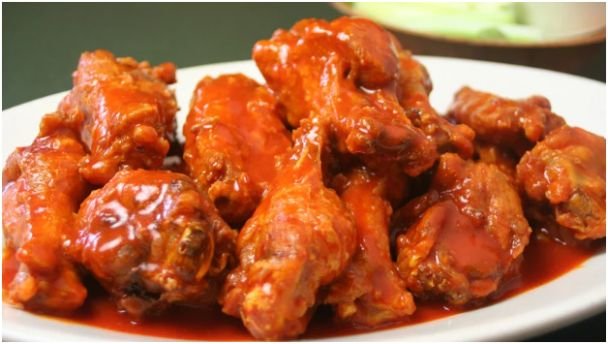
Buffalo wings prove that a city can become a flavor. These wings are usually fried, tossed in a spicy cayenne-style sauce, and served with celery and blue cheese dressing. The dish became linked with the Anchor Bar in Buffalo, New York, in the 1960s.
What makes Buffalo wings special is not only the recipe. It is the way a local bar food became part of game days, sports bars, frozen food aisles, and chain restaurant menus across the country. Among foods named after countries or cities, few feel as strongly tied to US food culture.
Cheeses and Condiments That Carry a Map
Cheese and condiments are perfect for place-based names because they depend on local ingredients, climate, aging methods, and trade.
Cheddar, Gouda, and Dijon
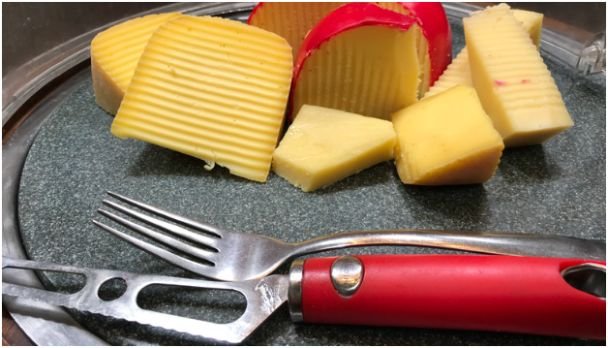
Cheddar cheese is named after Cheddar in Somerset, England. The village is linked to caves and traditional cheese aging, which helped give the cheese its identity. Today, cheddar can be mild, sharp, white, orange, sliced, shredded, or aged, but the name still points back to place.
Gouda is named after the Dutch city of Gouda. The cheese was historically traded there, even though production also happened in surrounding dairy areas. This is why Gouda is a strong example of market naming rather than simple birthplace naming.
Dijon mustard comes from Dijon, France, a city long linked with mustard making. Its sharper flavor and smooth texture make it common in vinaigrettes, sandwiches, marinades, and sauces. For American home cooks, it is often the “small spoonful” that makes a dressing taste finished.
Mayonnaise and Sriracha
Mayonnaise has a more debated origin story. One common theory links the name to Mahón, a port city on Menorca in Spain. Other explanations connect it to French language and older sauce traditions. Because the history is disputed, it is better to treat mayonnaise as a debated place-name food rather than a settled fact.
Sriracha is easier to place by name. It comes from Si Racha, a coastal area in Thailand. In the United States, many people know the thicker rooster-bottle version, but the name itself points back to Thai sauce history. That contrast is useful because it shows how a place name can become global while the recipe changes.
Sweet Foods Named After Places
Desserts and baked goods often use place names to create charm. Sometimes the name tells origin. Sometimes it adds drama.
Belgian Waffles and Baked Alaska
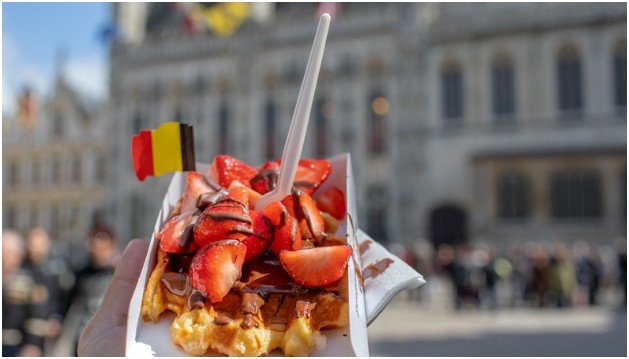
Belgian waffles became popular in the United States through world’s fair exposure and restaurant culture. The name helped Americans understand that these waffles were different from thinner everyday waffles. They were thicker, lighter, and often served with whipped cream or fruit.
Baked Alaska is a dessert of cake, ice cream, and browned meringue. The name honors Alaska rather than proving the dessert came from there. That makes it one of the more theatrical foods named after countries or cities. It sounds cold, dramatic, and a little impossible, which fits the dessert perfectly.
Fig Newtons and English Muffins
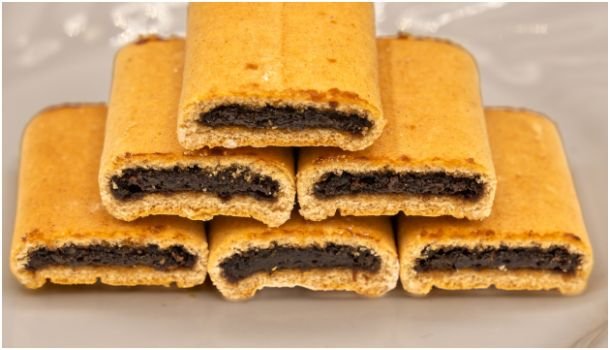
Fig Newtons are often assumed to be named after Isaac Newton, but the cookie name is commonly linked to Newton, Massachusetts. That small twist makes the snack a fun example of how food names can mislead casual readers.
English muffins also show how names shift by audience. They are associated with British-style griddle breads, but the phrase “English muffin” became especially useful in the United States to separate them from sweeter American muffins. The name works because it explains form and expectation.
My Place-Name Test for Food Stories
After looking at these examples, I would not treat all foods named after countries or cities the same way. A location name can mean several things.
Hamburger shows migration. Gouda shows trade. Buffalo wings show local invention. Baked Alaska shows tribute. Mayonnaise shows debate. Sriracha shows how a regional sauce name can become a global condiment label.
That is the real lesson. A food name is not always a birth certificate. Sometimes it is a passport stamp, a market sign, or a clever menu label.
This is also why I like pairing this topic with forgotten traditional foods around the world. Famous place-name foods often survive because they became marketable. Many older regional foods disappear because they never get the same global spotlight.
Frequently Asked Questions
1. What are foods named after countries or cities?
Foods named after countries or cities are dishes, cheeses, sauces, or desserts whose names come from real places, such as hamburgers, Dijon mustard, Gouda, and Buffalo wings.
2. Is hamburger really named after Hamburg?
Yes, the word hamburger is linked to Hamburg, Germany, though the modern hamburger sandwich developed strongly in the United States.
3. What dessert is named after a place?
Baked Alaska is a famous dessert named after Alaska, while Belgian waffles are named after Belgium.
4. Why are some foods named after places they did not come from?
Some names honor places, mark trade hubs, or help sell a style of food, so the name does not always prove exact origin.
The Final Bite: Your Plate Has a Passport
The next time I see a place name on a menu, I will not treat it like decoration. I will treat it like a clue. Foods named after countries or cities can reveal migration stories, trade routes, local pride, and a little marketing mischief.
So here is the smart next step: pick one familiar food in your kitchen and trace its name before you eat it. Your snack may have traveled farther than you think.