
I learned how to control impulse spending after one ugly bank review showed my “small treats” had become a monthly leak. The problem was not one dramatic purchase. It was fast checkout, tired browsing, saved cards, and a habit of calling every want a reward.
Impulse buying thrives when spending feels instant. The fix is not shame. The fix is friction: small barriers that give your brain time to calm down before money leaves your account.
Why Impulse Spending Wins So Often
Retailers remove hesitation on purpose. One-click checkout, saved cards, countdown timers, free-shipping minimums, and “only a few left” alerts all push you toward speed. If you want to know how to control impulse spending, start by accepting this truth: the shopping environment is not neutral.
Impulse spending also feels emotional. You may buy because you feel bored, stressed, lonely, or excited after payday. That means your spending system needs rules before your mood takes over.
How to Control Impulse Spending by Adding Waiting Time

The easiest way to slow impulse purchases is to separate wanting from buying. I use two waiting periods because a $12 candle and a $400 gadget should not get the same test.
Use the 24-Hour Rule for Small Wants
For any non-essential item under $100, wait one full day. Save it to a wishlist, close the tab, and leave the store. If you still want it tomorrow, review it again with a calmer mind.
This rule works because urgency fades. I have skipped purchases simply because I forgot about them. A real need rarely disappears overnight.
Use the 30-Day Wishlist for Bigger Wants
For bigger purchases, write the item, price, date, and reason you wanted it. After 30 days, ask, “Would I buy this today at full price?” If the answer is no, delete it. If the answer is yes, compare prices and use planned money.
How to Control Impulse Spending Online
Online shopping causes the most damage because it feels invisible. You do not need a stronger personality. You need weaker shortcuts.
Delete Saved Cards and Checkout Details
Remove saved cards from browsers, retail accounts, food delivery apps, and shopping platforms. Typing a card number creates a pause. That pause is powerful.
Research published in Scientific Reports found that credit card purchases were linked with strong activity in the brain’s reward network. Cash decisions were more sensitive to price. That explains why cards can feel like permission instead of payment.
Remove Shopping Apps and Promo Triggers
Shopping apps turn boredom into browsing, so keep them off your phone. Unsubscribe from stores that trigger fear of missing out. Send stubborn promo emails to a folder you check only when you planned to buy.
The Federal Trade Commission has warned that digital design tricks can push consumers through disguised ads, difficult cancellations, buried terms, and false urgency. Treat checkout pages like sales floors, not friendly helpers.
Fix Store Habits Before You Walk In

Physical stores also guide spending. End caps, checkout lanes, scents, lighting, and product placement all encourage unplanned purchases.
Shop With a Written List
Write a list before entering the store and commit to it. I also add one flexible line called “one treat.” That keeps the plan realistic without letting five random extras sneak in.
A list works because the decision happens before the store starts influencing you. This is one of the simplest answers to how to control impulse spending in grocery stores, Target runs, and mall trips.
Use Cash for Your Weakest Category
Cash helps with categories that keep slipping. Try it for clothes, takeout, coffee, or weekend fun. Put the weekly limit in an envelope. When it is gone, that category is done.
Build a Budget That Allows Fun
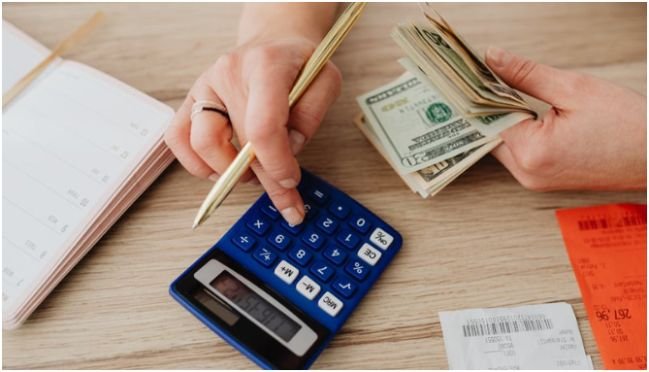
A budget that bans joy usually fails. The better move is to give fun a boundary.
Create a Monthly Splurge Allowance
Set a fixed amount for guilt-free buys. It may be $25, $75, or $200, depending on your income. When that money is available, spend it without guilt. When it runs out, wait until next month.
This is where how to organize personal finances becomes useful. When bills, savings, debt payments, and fun money each have a place, impulse buys stop hiding inside your checking account.
Calculate the Hourly Wage Cost
Before buying, divide the price by your real take-home hourly pay. If you earn $25 after taxes and want a $90 hoodie, that hoodie costs 3.6 hours of work.
I use a stricter test for things I do not need. I double the number to include shopping, comparing, returning, and mental clutter. Suddenly, that hoodie costs seven hours of attention.
Run a Seven-Day Impulse Audit
This original exercise helps you learn how to control impulse spending without guessing. For one week, write down every unplanned urge, even when you do not buy.
Track what you wanted, where you were, how you felt, and whether you bought it. After seven days, look for one repeated trigger. Mine was evening browsing after stressful workdays. Yours may be payday spending, lunch delivery, Instagram ads, or weekend store trips.
Once you know the trigger, choose one replacement. Take a walk, shower, call someone, clean one drawer, or move the item to a wishlist. The goal is a new default, not perfection.
Review Transactions Every Weekend
The Consumer Financial Protection Bureau recommends reviewing checking and credit card history, tracking receipts, and comparing real spending with a realistic budget. I keep this review short because long money sessions make people quit.
Every Sunday, check the last seven days. Label each unplanned purchase as useful, emotional, convenience-based, or regret. Then adjust one rule for the next week.
This matters because how to control impulse spending becomes easier when you stop relying on memory. Your transactions tell the truth faster than your intentions.
Your Cart Can Calm Down Now
Knowing how to control impulse spending is not about becoming a joyless spreadsheet goblin. It is about refusing to let every sale, app, bad mood, and checkout button boss your money around.
Start with one friction rule today. Delete one saved card, create one wishlist, or set one cash limit for your weakest category. Tiny barriers beat dramatic promises because they work when motivation is asleep.
FAQs
1. How to control impulse spending when shopping online?
Delete saved cards, remove shopping apps, unsubscribe from promo emails, and use a 24-hour rule before checkout.
2. What is the 24-hour rule for impulse buying?
It means waiting one full day before buying any non-essential item so emotional urgency can fade.
3. Why do I keep buying things I do not need?
Common triggers include stress, boredom, fatigue, payday excitement, social pressure, and easy payment options.
4. How much fun money should I budget each month?
Pick an amount left after bills, savings, and debt payments, then treat it as your guilt-free spending limit.