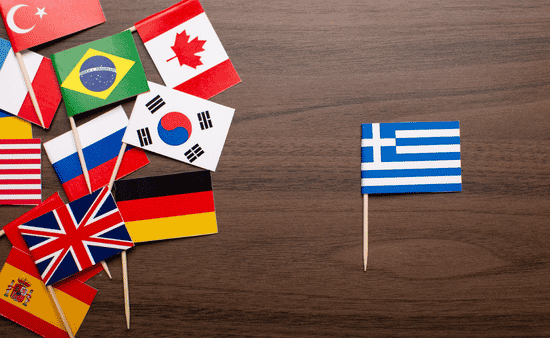
I used to think flag recognition meant memorizing every country one by one, but How to Identify Flags by Color Patterns becomes much easier when you learn to read flags like visual clues. Colors, stripes, crosses, stars, triangles, and seals all tell a story before you even know the country name.
Instead of guessing, you can narrow down the answer by noticing the layout first, then matching the color family, symbol, and regional style. This guide breaks the process into simple steps so flag learning feels practical, fun, and much easier to remember.
Why Color Patterns Make Flags Easier to Recognize
Flags are designed to be noticed quickly. That is why many of them use bold colors, simple shapes, and repeated layouts. A red, white, and blue flag may point you toward one group of countries, while green, yellow, and red often connects to another regional or historical pattern. The trick is not to memorize every flag immediately. The trick is to group flags by what your eyes notice first.
Color patterns help because they create memory shortcuts. When you see three horizontal bands, your brain can compare it with familiar tricolors. When you see a cross, you can think of Nordic or Christian-inspired designs. When you see a crescent and star, you can quickly narrow the search to countries that use those symbols.
Step 1: Look at the Main Flag Layout
Before focusing on the meaning of colors, study the structure. Most flags follow a few common layouts. Horizontal stripes are among the easiest to remember because many countries use three or more bands stacked from top to bottom. Vertical stripes work differently because the color order changes from left to right. Diagonal bands, triangles, and corner blocks are also powerful clues.
A flag with a cross may belong to a recognizable family. Nordic cross flags, for example, often have an off-center cross stretching across the design. A flag with a triangle at the hoist side may be linked to revolutionary, regional, or independence symbolism. A canton, which is a small block in the upper corner, often holds stars, crosses, or another emblem.
Once you understand the layout, the flag becomes less random. You are no longer looking at “red, white, and blue.” You are looking at “horizontal tricolor,” “vertical tricolor,” “cross flag,” or “flag with a canton.”
Step 2: Count the Main Colors
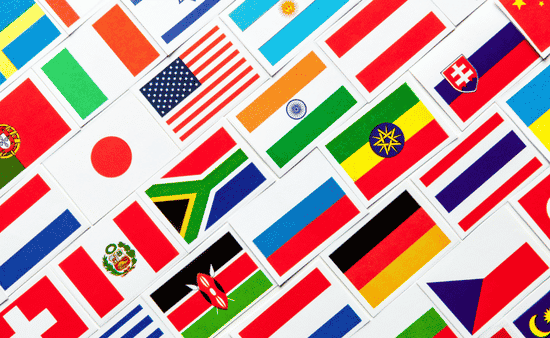
After layout, count the dominant colors. Many flags have two or three major colors, even if they include a small emblem. A red and white flag feels different from a red, white, and blue one. A green, yellow, and red flag may point toward African, Caribbean, or independence-linked themes. Black, white, red, and green often appear in Arab-influenced flag families.
This step is useful because some flags look similar at first glance. Indonesia and Monaco both use red over white, but their proportions are different. Chad and Romania both use blue, yellow, and red vertical stripes, making them easy to confuse. Ireland and Ivory Coast use green, white, and orange, but the color order is reversed. Counting colors is only the start; checking order and placement gives the final clue.
Step 3: Learn Common Regional Color Families
Many flags share colors because of history, geography, culture, or political identity. Pan-African colors often include green, yellow, red, and sometimes black. These colors may represent land, wealth, struggle, unity, or freedom depending on the country.
Pan-Arab-inspired flags commonly use red, white, black, and green. These colors appear in different arrangements, including horizontal bands, triangles, and stars. Pan-Slavic colors often include red, white, and blue, which can make several European flags look related.
Learning these families makes flag identification faster. You do not need to know the answer immediately. You only need to reduce the options. If the colors and structure match a known family, you already have a strong clue.
Step 4: Use Symbols to Confirm the Country
Color patterns narrow the search, but symbols often confirm it. Stars may show unity, states, ideals, or political identity. Crescents are common in several national flags and often carry cultural or historical meaning. Suns, circles, wheels, animals, plants, and coats of arms can make a flag easier to identify.
Understanding these elements is an important part of any guide to understanding flag meanings, as symbols often reveal historical, cultural, and national values that go beyond the colors alone.
For example, a red, white, and blue tricolor alone may not be enough. But if it includes stars, a shield, or a sun, the options shrink quickly. Some flags use detailed seals that are harder to see from far away, so focus first on the big shape and color layout. Then use smaller symbols as confirmation.
Step 5: Watch for Look-Alike Flags
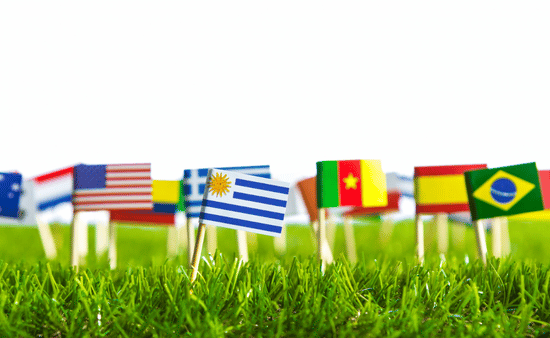
Some flags are famous for being confusing. These are the ones learners should study together. Indonesia and Monaco are both red over white, but Monaco’s flag has a different ratio. The countries named Romania and Chad use nearly identical vertical bands. Ireland and Ivory Coast reverse the same three colors. Colombia, Ecuador, and Venezuela all use yellow, blue, and red, but their proportions, stars, and emblems help separate them.
A good way to remember similar flags is to compare them side by side. Ask what changes first: color order, stripe direction, emblem, star count, or flag shape. That single difference becomes your memory hook.
Step 6: Practice With Quizzes and Visual Groups
Flag learning becomes easier when you practice in groups instead of random lists. Start with red, white, and blue flags. Then try green, yellow, and red flags. After that, practice flags with crosses, stars, crescents, and triangles. This method trains your eyes to notice patterns before names.
You can also make your own mini quiz. Cover the country name, describe the flag in words, then guess from the clues. For example: “three vertical stripes, green, white, and orange.” Then compare it with similar flags. This active method is much stronger than simply scrolling through images.
Frequently Asked Questions
1. What is the easiest way to learn How to Identify Flags by Color Patterns?
The easiest way is to group flags by layout first, then color order, then symbols such as stars, crosses, crescents, or coats of arms.
2. Why do many flags use the same colors?
Many countries share colors because of regional history, independence movements, cultural identity, religion, or political symbolism.
3. How can I remember similar-looking flags?
Compare them side by side and focus on one difference, such as stripe direction, color order, emblem placement, or flag proportion.
4. Are flag colors always symbolic?
Not always. Some colors have deep meaning, while others come from older banners, royal symbols, geography, or historical design traditions.
Final Thoughts
I like this method because it makes flag recognition feel less like memorization and more like solving a visual puzzle. When I look at layout, colors, symbols, and regional families together, every flag gives me clues before I know the answer.
The more you practice with patterns, the faster your memory becomes. Over time, stripes, stars, crosses, crescents, and color groups stop feeling confusing and start becoming familiar signs you can recognize with confidence.