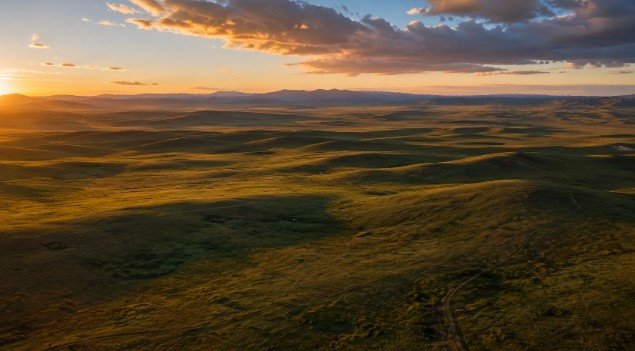
Maps always make me curious about places where nature seems to have more room than people. While exploring the least densely populated country, I discovered that some nations have vast stretches of land with only a handful of residents.
These countries offer fascinating stories about geography, history, culture, and survival in some of the world’s most challenging environments. Understanding them reveals a completely different side of our planet.
Key Takeaways
- Mongolia is the least densely populated country in the world.
- Harsh geography often limits large population growth.
- Low density influences transportation and development.
- Sparse nations preserve unique cultures and ecosystems.
- Population density reveals important country facts and trends.
Population Density Made Simple
Understanding population density helps explain why some countries feel crowded while others seem almost empty.
Does Population Density Really Important?
Population density measures how many people live within a specific land area, usually one square kilometer. A country with a low population density has a large territory but relatively few residents spread across it.
This measurement is widely used by geographers, governments, and researchers to understand settlement patterns, resource distribution, and infrastructure needs. It provides valuable insight into how humans interact with their environment.
Why Experts Measure It?
Population density helps explain differences in transportation networks, housing demand, agricultural development, and economic activity. It also highlights challenges faced by countries with remote communities.
Countries with low density often spend more resources connecting citizens through roads, healthcare services, and communication systems because residents live far apart.
Meet The Least Densely Populated Country
Mongolia consistently ranks as the least densely populated independent country on Earth.
Mongolia’s Remarkable Numbers
Mongolia has an average population density of just over two people per square kilometer. Despite covering approximately 1.5 million square kilometers, the country has a population of only around 3.4 million people.
To put that into perspective, many large cities around the world have more residents than the entire nation of Mongolia. Vast open landscapes dominate much of the country.
A Nation Shaped By History
Mongolia is famous as the birthplace of Genghis Khan and the historic Mongol Empire. During the thirteenth century, Mongol forces created one of the largest empires in world history.
Today, traditional nomadic lifestyles still influence Mongolian culture. Many families continue moving seasonally with livestock across grasslands that stretch beyond the horizon.
Geography That Defines Life
The country contains steppes, mountains, and the famous Gobi Desert. Long winters, limited rainfall, and rugged terrain make large-scale settlement difficult across many regions.
These environmental conditions have helped preserve Mongolia’s unique identity while keeping population density exceptionally low.
Why This Topic Is Surprisingly Fun
Learning about the least densely populated country is more entertaining than it sounds. Imagine driving for hours without seeing another town or having more horses than neighbors nearby. Countries with very low population density challenge our usual ideas about cities, crowds, and daily life.
They also reveal fascinating facts about ancient traditions, untouched landscapes, and how people adapt to some of Earth’s most extreme environments. That combination makes this topic both educational and surprisingly enjoyable.
Other Countries With Few People Per Square Kilometer
Several nations follow closely behind Mongolia in population density rankings.
Namibia’s Desert Advantage
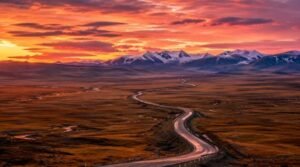
Namibia is one of Africa’s most sparsely populated countries, averaging roughly three people per square kilometer. Large desert regions, including the Namib Desert, limit settlement across much of the country.
Its dramatic landscapes attract visitors from around the world while keeping human populations relatively small.
Australia’s Vast Outback
Australia often surprises people because it has major cities but still ranks among the least densely populated countries globally. Much of its interior consists of arid and semi-arid land.
The famous Outback covers enormous areas where few permanent settlements exist, contributing to the country’s low population density.
Greenland And Other Sparse Territories
If territories are included rather than only sovereign nations, Greenland becomes the least densely populated territory in the world. Its density is approximately 0.14 people per square kilometer.
Other sparsely populated regions include French Guiana, Iceland, Suriname, Guyana, Botswana, and Libya, each shaped by unique environmental conditions.
What Creates Such Sparse Populations?
Several factors influence why some nations have far fewer people than other oldest capital cities worldwide.
Climate Challenges
Extreme cold, intense heat, drought, and difficult terrain discourage large-scale settlement. Harsh environmental conditions often make farming and transportation more challenging. As a result, populations tend to cluster in the few regions that offer more favorable living conditions.
Limited Farming Opportunities
Agriculture supports population growth, but deserts, mountains, and frozen landscapes often provide limited arable land.
When food production becomes difficult, population expansion naturally slows compared to regions with fertile farmland.
Historical Settlement Patterns
Migration routes, trade opportunities, and historical events influence where people establish communities. Some countries simply developed around small population centers that never expanded significantly. These historical patterns continue affecting population distribution today.
Country Facts You Probably Didn’t Know
The world’s sparsely populated nations hold some surprising records.
Wildlife Often Outnumbers Residents
In many low-density countries, wildlife populations vastly exceed human populations. This creates unique ecosystems and extraordinary opportunities for biodiversity conservation. Large natural habitats remain intact because human settlement occupies only a small portion of the land.
Traditional Cultures Remain Strong
Remote regions often preserve cultural traditions that have survived for centuries. Nomadic lifestyles, indigenous practices, and regional customs continue playing important roles.
This cultural continuity offers valuable insights into how communities adapted to their surroundings over generations.
Space Creates Unique Lifestyles
People living in sparsely populated regions often develop stronger connections to nature and self-sufficiency. Daily life can differ dramatically from experiences in densely populated urban areas.
Using Population Density Knowledge In Real Life
Understanding the least densely populated country can be surprisingly useful.
Step One: Evaluate Travel Destinations
Population density helps travelers understand what to expect before visiting a destination. Low-density countries may require longer travel times between attractions and fewer service centers. Knowing this information improves trip planning and helps set realistic expectations.
Step Two: Understand Global News Better
Many economic, environmental, and political stories are influenced by population distribution. Understanding density provides valuable context for international developments. It helps explain infrastructure projects, international and domestic migration trends, and regional development policies.
Step Three: Build Geography Expertise
Learning how population density shapes countries improves geographic knowledge and world awareness. It creates a stronger understanding of how people interact with different environments. That knowledge becomes useful in education, travel, research, and everyday conversations.
Frequently Asked Questions
1. What are the 10 least densely populated countries in the world?
The most commonly cited countries include Mongolia, Namibia, Australia, Iceland, Suriname, Canada, Botswana, Guyana, Mauritania, and Libya. Rankings may vary slightly depending on the year and data source used.
2. Which country has the lowest density of people?
Mongolia is widely recognized as the least densely populated country among independent nations. Its population of around 3.4 million people is spread across an enormous land area.
3. What are the top 10 least populated countries?
Countries with the smallest populations include Vatican City, Tuvalu, Nauru, Palau, San Marino, Monaco, Liechtenstein, Marshall Islands, Saint Kitts and Nevis, and Dominica. Population size differs from population density.
4. Is Australia the least densely populated country?
No, Australia is not the least densely populated country. While it has a very low population density due to its vast Outback, Mongolia’s density remains significantly lower overall.
From Empty Spaces To Big Discoveries
The least densely populated country demonstrates how geography, climate, and history shape human settlement. Mongolia’s vast grasslands, rich heritage, and remarkably low population density make it one of the world’s most fascinating nations.
Looking beyond crowded cities reveals a different perspective on life, where open landscapes, cultural traditions, and natural beauty define daily existence. These sparsely populated countries remind us that space itself can be one of a nation’s greatest characteristics.