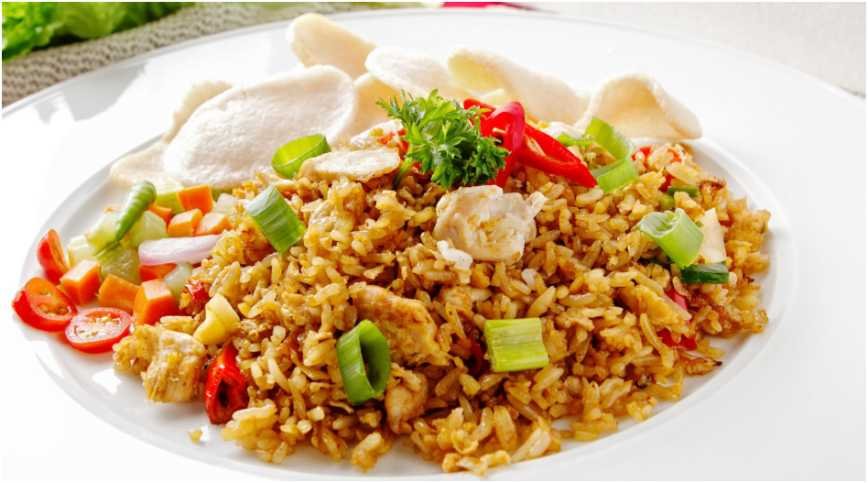
Call rice a side dish and half the world will raise an eyebrow. If you are asking why rice is important in many cultures, the answer sits in kitchens, temples, wedding halls, rice paddies, and family stories.
I first understood this while watching how differently families treat rice. In one home, it is the center of the plate. In another, it is a blessing. Somewhere else, it is the first food a baby tastes or the dish that must appear at every celebration. Rice matters because it does more than fill a bowl. It helps people explain who they are.
Why Rice Is Important in Many Cultures Starts With Survival
The simplest answer is also the strongest one: rice feeds people. The Food and Agriculture Organization notes that rice is a staple food for more than half of the world’s population. That fact alone explains why rice carries emotional weight.
Food becomes meaningful when people depend on it daily. Bread does this in some regions. Corn does this in others. Rice does it across Asia, parts of Africa, Latin America, the Caribbean, and many immigrant communities in the United States.
Rice fed families before it became a symbol
Rice became important because it was reliable, adaptable, and filling. It could stretch a meal, absorb flavor, and pair with vegetables, seafood, meat, beans, sauces, or spices. That flexibility made it useful in poor households, royal kitchens, temple offerings, and festive banquets.
For many US readers, rice may appear as a pantry basic. Yet in many cultures, it is closer to a food memory. It can remind someone of a grandmother’s kitchen, a Sunday meal, a festival, or a wedding table.
That is why rice belongs in any conversation about foods that represent national identity. It carries taste, place, class, family, migration, and history in one bowl.
Ancient rice shaped early communities
Archaeological studies place early rice domestication in China’s Yangtze River region thousands of years ago. Over time, rice farming helped support settled communities, food storage, population growth, and shared labor systems.
This long history explains why rice is not viewed as a recent food trend. It is ancient cultural architecture. When a grain has helped shape villages, calendars, labor, rituals, and trade, people do not treat it casually.
Rice Farming Built Cooperation, Not Just Crops
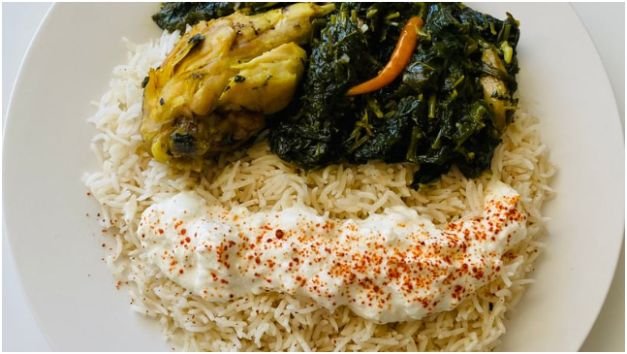
One powerful reason why rice is important in many cultures comes from the way it grows. Wet-paddy rice farming is not a simple plant-and-wait system. It often needs irrigation, flooding, drainage, planting, transplanting, and careful timing.
Wet-paddy farming needed teamwork
A wheat field can often be managed by one household. Traditional wet rice farming usually needs coordinated effort. Water must move at the right time. Fields must be flooded and drained carefully. Irrigation channels often serve more than one family.
That means rice farming trains people to cooperate. A farmer cannot ignore the neighbor’s field if both depend on the same water source. This makes rice a crop of interdependence.
In my view, this is the hidden reason rice feels so communal. The bowl at the table reflects the field behind it. Shared labor becomes shared food.
The social legacy of rice fields
A 2024 study in Humanities and Social Sciences Communications looked at historical rice-growing regions and found links between rice farming and tighter social patterns. The study connected rice regions with language that reflected stronger social ties, holistic thinking, and caution.
That does not mean every rice culture is the same. It means farming systems can leave psychological and social fingerprints. Rice did not only feed communities. It helped teach communities how to survive together.
Rice Became Sacred Because Harvest Meant Life
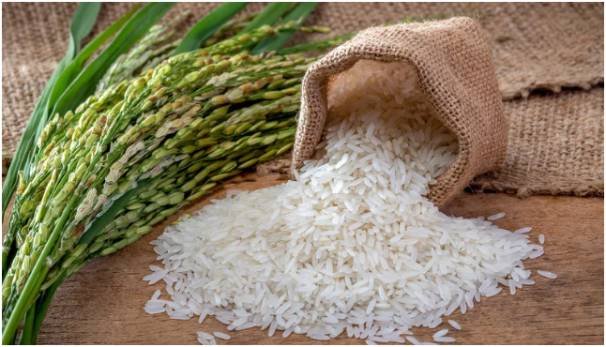
When a harvest decides whether people eat, the crop becomes more than agriculture. It becomes sacred. This is another reason why rice is important in many cultures across Asia and beyond.
Rice gods, goddesses, and temple offerings
In Indonesia and Bali, Dewi Sri is associated with rice, fertility, prosperity, and abundance. In Japan, Inari is widely known as a Shinto deity connected with rice cultivation and prosperity.
These beliefs make sense. If rice means survival, then rice fields feel spiritual. A good harvest brings food, wealth, weddings, festivals, and peace. A failed harvest brings hunger and fear.
Rice also appears as an offering in temples and household rituals. It represents gratitude because it comes from land, water, labor, and patience.
Rice in weddings and first-food ceremonies
Rice appears in major life moments because it symbolizes blessing. In many Hindu traditions, rice is linked with prosperity, fertility, and divine protection. The custom of throwing rice at weddings carries the idea of showering newlyweds with abundance.
Rice also appears in South Asian first-food rituals. Annaprashana marks a baby’s first intake of solid food, often through cooked rice or sweet rice. That moment is not only about feeding a child. It welcomes the child into family, culture, and shared tradition.
When rice appears at birth ceremonies, weddings, harvest festivals, and prayers, it becomes a thread through the human life cycle.
Rice Lives Inside Language and Daily Identity
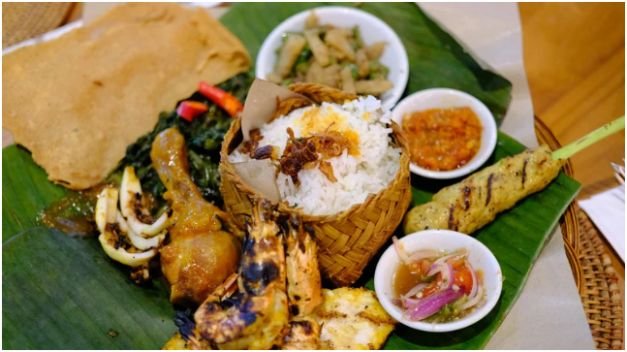
Food becomes deeply cultural when it enters language. Rice does this beautifully.
When rice means “meal”
In Japanese, gohan can mean both cooked rice and meal. Stanford SPICE explains that the word extends into breakfast, lunch, and dinner terms. Mandarin Chinese also uses chī fàn, often translated as “eat rice,” as a common phrase for eating a meal.
This shows why rice is important in many cultures beyond the plate. When the word for eating points back to rice, the grain has become part of how people think.
Language keeps cultural priorities alive. If rice and meal share meaning, rice is not a side dish. It is the center.
The rice bowl as a cultural object
Even the bowl matters. Across East Asian dining traditions, rice bowls are designed to hold warm grain close to the person eating. The bowl fits the hand. It supports chopstick eating. It keeps the meal personal and communal at the same time.
A rice bowl may look simple, but it carries etiquette. It shapes posture, serving style, portion size, and table rhythm. That is how culture works. Big meanings often hide inside small objects.
Rice Became a Global Symbol of Hospitality
Rice traveled through trade, migration, conquest, farming knowledge, and family memory. Each culture made it local. That adaptability is why rice became a global comfort food.
Jollof rice, arroz con pollo, risotto, and paella
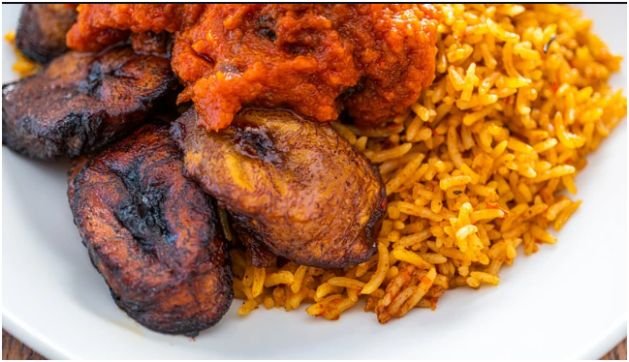
In West Africa, jollof rice is more than a dish. It is pride, debate, celebration, and party energy in one pot. At weddings and gatherings, it often acts as the social centerpiece.
In Latin America and the Caribbean, arroz con pollo and rice with beans show how rice absorbs history. These dishes reflect Indigenous, African, European, and local foodways blending over time.
In Southern Europe, risotto and paella show another side of rice. Here, technique matters. The starch, broth, seafood, saffron, cheese, or stock can turn rice into a shared dining event.
Rice as a canvas for national flavor
Rice is neutral enough to welcome flavor, yet strong enough to anchor identity. It can carry coconut, turmeric, tomato, saffron, soy sauce, beans, lentils, curry leaves, garlic, seafood, or smoked meats.
That is why two rice dishes can look similar but tell completely different stories. A bowl of Japanese steamed rice, Nigerian jollof, Mexican arroz rojo, Indian biryani, and Italian risotto all begin with rice. Yet each one tastes like a different map.
My Rice Respect Test for Understanding Culture
When I want to understand why a food matters, I use what I call the Rice Respect Test. I ask six simple questions.
Does the food appear daily? Does it appear in religious rituals? Does it mark birth, marriage, or death? Does it shape language? Does it require shared labor? Does it become a national or regional dish?
Rice passes all six in many cultures. That is rare. Many foods are popular. Few foods organize daily life, spiritual life, family milestones, farming systems, and national pride at once.
This is my original reason for seeing rice as cultural infrastructure. It does not sit beside culture. It helps build culture.
The Grain Has Main-Character Energy
Rice is humble, but do not let the plain white bowl fool you. This grain has fed civilizations, shaped cooperation, blessed marriages, welcomed babies, entered languages, and carried national dishes across oceans.
That is the real answer to why rice is important in many cultures. Rice matters because people have trusted it with survival, memory, celebration, and identity.
The next time you eat rice, pause before treating it like filler. Ask what story it carries. Someone’s harvest, prayer, grandmother, wedding, migration, or homeland may be sitting quietly in that bowl.
FAQs About Why Rice Is Important in Many Cultures
1. Why is rice important in many cultures?
Rice is important because it feeds communities, appears in rituals, shapes language, and represents prosperity, fertility, hospitality, and identity.
2. Why is rice used in weddings?
Rice is used in weddings because it traditionally symbolizes abundance, fertility, good fortune, and blessings for the couple’s future.
3. Why is rice sacred in some cultures?
Rice is sacred in some cultures because a successful harvest once meant survival, so people connected rice with deities, gratitude, protection, and life.
4. What cultures rely on rice the most?
Many Asian, African, Latin American, Caribbean, and Pacific cultures rely on rice as a daily staple and cultural symbol.