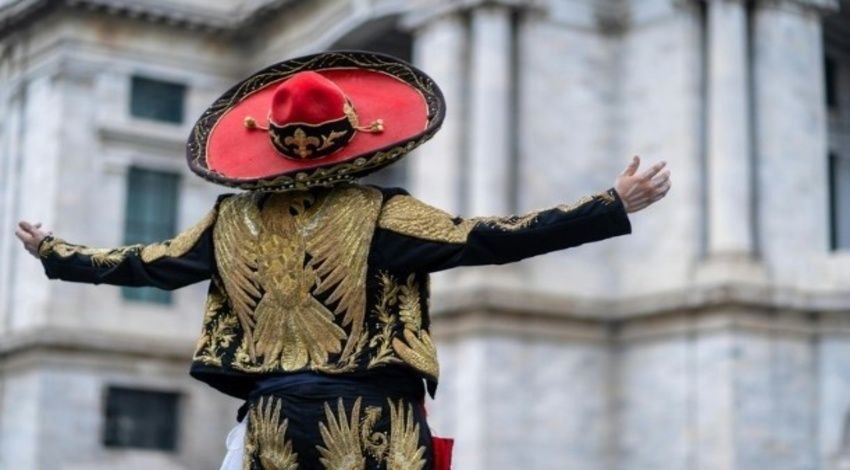
I love learning about the small details that make people, places, and traditions feel different from my own everyday world. That is why world culture facts for curious readers are so interesting. They are not just random trivia. They reveal how families greet each other, celebrate milestones, share meals, honor ancestors, dress for special events, and pass stories from one generation to the next.
Culture is found in both grand festivals and ordinary habits. A greeting, a wedding color, a festival meal, or a simple phrase can say a lot about history, belief, geography, and identity. For readers who enjoy flags, countries, travel-inspired learning, and global facts, culture offers one of the easiest ways to understand how connected and diverse the world really is.
What Makes Culture Facts So Interesting?
Culture facts become powerful when they explain the meaning behind human behavior. It is one thing to know that people bow, shake hands, kiss cheeks, or remove shoes before entering a home. It is more valuable to understand why these actions matter.
Many customs are linked to respect, hospitality, religion, climate, family structure, or historical memory. Some traditions are ancient, while others have changed with modern life. That mix makes culture feel alive rather than frozen in the past.
A good culture fact should answer three questions: where does it happen, what does it mean, and why do people still care about it today?
Greetings Around the World Show Respect in Different Ways
One of the easiest ways to notice cultural differences is through greetings. In some places, a handshake feels polite and professional. In others, a bow shows respect. In many communities, cheek kissing is normal among friends or family, while in other places personal space is valued more strongly.
These differences can surprise travelers because greetings happen quickly. A person may not think much about their own greeting style until they meet someone from another culture. That is what makes greetings a great starting point for global learning.
Why Small Gestures Matter
A greeting is rarely just a greeting. It can show age respect, social closeness, religious awareness, or formality. In some cultures, using the right title or greeting elders first matters deeply. In others, a casual hello feels friendly and natural.
Curious readers can learn a lot by watching how people welcome one another. The first few seconds of a meeting often reveal values that have been shaped over centuries.
Food Culture Reveals History on a Plate
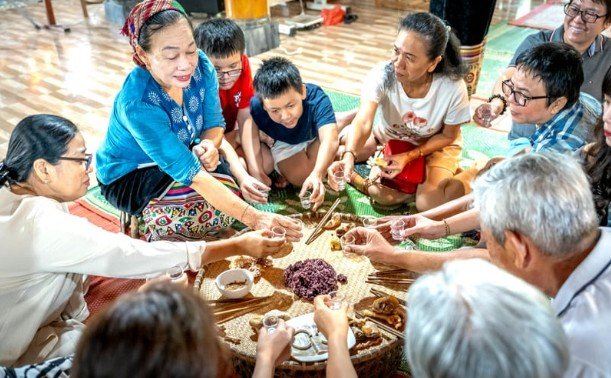
Food is one of the most enjoyable ways to understand culture. Every country has meals that carry stories of climate, farming, trade, migration, and family life. Rice, bread, noodles, corn, spices, tea, coffee, seafood, and preserved foods all tell something about where people live and what resources shaped their daily lives.
A meal can also show celebration. Some dishes are prepared only for weddings, harvests, religious holidays, or New Year gatherings. Others are everyday comfort foods that remind people of home.
Dining Customs Can Be as Meaningful as the Meal
Food customs are not only about ingredients. In some places, sharing from common plates reflects community. In others, serving elders first shows respect. Some cultures eat with hands, some with chopsticks, and some with forks and knives.
These habits are not random. They develop through tradition, practicality, and identity. That is why food belongs in any article about world culture facts for curious readers. It connects taste with memory, family, and belonging.
Festivals Turn Culture Into Color and Sound
Festivals are among the most visible parts of culture. They bring together music, clothing, food, dance, prayer, decoration, and storytelling. Some festivals honor seasons, while others remember historical events, spiritual beliefs, ancestors, or national identity.
Around the world, people celebrate light, harvest, spring, independence, new beginnings, and family bonds in different ways. The details may change, but the purpose is often similar: people gather to remember what matters.
Why Festivals Attract Global Attention
Festivals are highly shareable because they are visual and emotional. Bright colors, lanterns, costumes, parades, street food, and music make them easy to notice. But behind the beauty, there is usually a deeper meaning.
For example, light festivals may represent hope, renewal, or the victory of good over darkness. Harvest celebrations often express gratitude. Ancestor-related traditions can show how families stay connected to the past.
Traditional Clothing Tells Stories Without Words
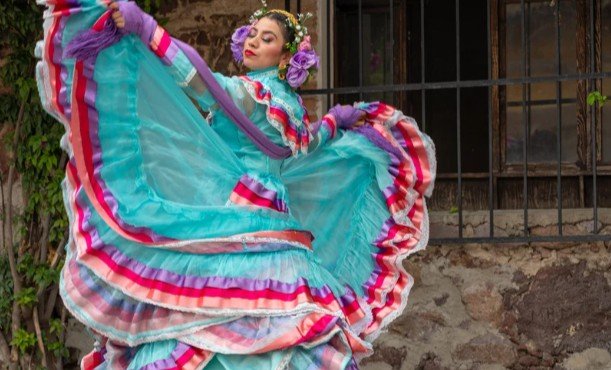
Clothing is another powerful cultural marker. Traditional dress often reflects climate, local materials, religion, class, ceremony, and history. Some garments are worn daily, while others appear mainly during weddings, festivals, dances, or official events.
Colors can also carry meaning in countries known for festivals and traditions. In some cultures, white may represent purity or peace. In others, it may be linked with mourning. Red may symbolize luck, love, celebration, courage, or power depending on the place.
Patterns, Fabrics, and Symbols Matter
Traditional clothing often includes patterns that show region, family, community, or belief. Embroidery, weaving, beadwork, head coverings, sashes, and jewelry can carry identity in ways that outsiders may not immediately understand.
This is why looking at clothing with curiosity and respect is important. A beautiful outfit may also be a record of ancestry, craftsmanship, and cultural pride.
Language Shapes How People See the World
Language is more than a tool for speaking. It carries humor, values, memory, and identity. Some languages have words that are difficult to translate because they describe emotions, relationships, or social ideas that do not fit neatly into another language.
Proverbs are especially useful for understanding culture. A proverb can reveal what a community values, fears, celebrates, or teaches children. Many proverbs focus on patience, family, wisdom, hard work, respect, or caution.
Multilingual Countries Show Cultural Layers
Many countries are home to several languages. This often reflects migration, colonization, trade, Indigenous communities, or regional identity. A person may speak one language at home, another at school, and another in public life.
For curious readers, language facts help explain why identity can be layered. Culture is rarely one simple thing. It often includes many histories living side by side.
Family Traditions Keep Culture Alive

Family life is where many cultural habits are learned first. Children observe how adults greet guests, prepare food, celebrate holidays, tell stories, respect elders, and handle important life events.
Birthdays, weddings, naming ceremonies, funerals, coming-of-age rituals, and family reunions can all carry cultural meaning. These customs teach people where they come from and how they belong.
Everyday Habits Matter Too
Not every cultural tradition is dramatic. Some are quiet and ordinary. Removing shoes indoors, offering guests tea, eating together at a certain time, telling bedtime stories, or visiting relatives on specific holidays can all shape identity.
These daily customs may seem small, but they often become the memories people carry for life.
Why Learning Culture Facts Builds Better Global Awareness
Learning about cultures helps readers move beyond stereotypes. Instead of seeing a country as just a flag, map, or landmark, culture helps reveal the people behind the place.
It also makes travel, reading, school projects, and global conversations more meaningful. When readers understand why a custom matters, they are more likely to approach people with respect instead of judgment.
The best cultural learning does not treat traditions as strange or exotic. It asks thoughtful questions and looks for meaning.
Frequently Asked Questions
1. What are world culture facts for curious readers?
They are simple, interesting facts about global customs, food, festivals, language, clothing, greetings, and traditions that help readers understand different societies.
2. Why are cultures different around the world?
Cultures differ because of geography, history, religion, climate, migration, language, food sources, and shared community values.
3. What are examples of cultural traditions?
Examples include bowing as a greeting, preparing special festival foods, wearing traditional clothing, honoring ancestors, and celebrating seasonal events.
4. Why should students learn about world cultures?
Students should learn about world cultures because it builds respect, improves global awareness, and helps them understand people beyond their own community.
Final Takeaways
When I explore culture, I always feel like the world becomes bigger and more familiar at the same time. A greeting, meal, festival, color, or family custom can reveal something meaningful about how people live and what they value.
That is the real beauty of world culture facts for curious readers. They make global learning simple, memorable, and human. The more we learn about different traditions, the easier it becomes to see every country as more than a name on a map.