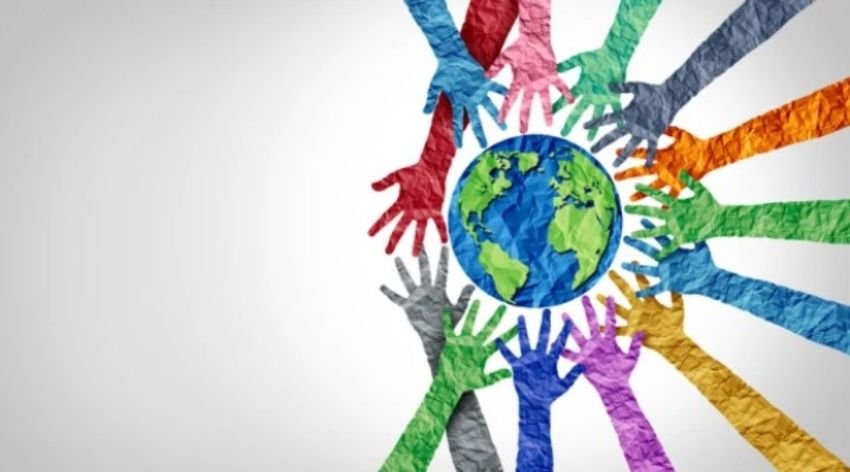
When I think about how culture shapes national identity, I do not only think about flags, maps, or borders. I think about the songs people grow up hearing, the foods served at family gatherings, the holidays that bring streets to life, and the stories children learn about where they come from. A nation becomes meaningful when people feel connected to something larger than themselves.
Culture gives that connection its color, voice, rhythm, and memory. It helps people understand who they are, what they value, and why their shared past still matters. In a country built from many communities, languages, and traditions, culture also becomes the bridge between personal identity and collective belonging.
What National Identity Really Means
National identity is the feeling of belonging to a nation. It is shaped by shared history, symbols, values, language, customs, and memories. It is not only about citizenship or legal status. It is also emotional.
People often feel national identity through everyday experiences. A national anthem before a sports event, a traditional meal during a holiday, a school lesson about historic leaders, or a community parade can all create a sense of shared pride.
In America, national identity is especially layered because people come from many cultural backgrounds. That makes culture even more important. It allows people to keep personal heritage while also participating in a broader national story.
Why Culture Matters in Building National Identity
Culture gives a nation its personality. Without culture, national identity would feel empty and official, like a passport without a story. Culture adds meaning through traditions, beliefs, art, music, food, language, and social habits.
A nation’s culture tells people what is celebrated, remembered, respected, and protected. It influences how people greet one another, how they honor important days, how they mourn tragedy, and how they express pride.
Culture also helps people recognize each other as part of the same wider community. Even when people have different backgrounds, shared social practices can create unity. That is why national celebrations, public monuments, museums, sports events, and civic rituals remain powerful.
Language as a Foundation of Belonging
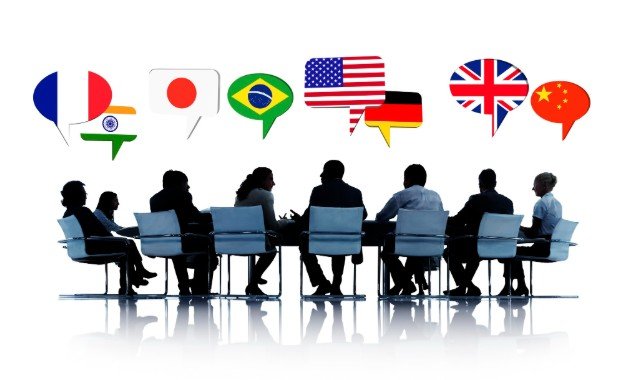
Language is one of the strongest parts of national identity because it carries memory. It holds jokes, songs, prayers, speeches, family sayings, and historic documents. Through language, people pass values from one generation to the next.
In many nations, language has been used to preserve independence and cultural pride. In multilingual societies, language can also show diversity. The challenge is to make sure one language does not erase another.
For American readers, this is easy to understand. English may dominate public life, but Spanish, Indigenous languages, immigrant languages, and regional dialects all shape the cultural landscape. These voices make identity more complete, not less national.
Traditions, Festivals, and Shared Memory
Traditions turn history into lived experience. Festivals, parades, religious holidays, national days, and community gatherings help people remember who they are together.
A holiday is rarely just a date on a calendar. It may include special food, clothing, music, prayers, decorations, family visits, or public ceremonies. These repeated actions teach belonging without needing long explanations.
For example, Independence Day fireworks, Thanksgiving meals, Memorial Day ceremonies, and local cultural festivals all carry different meanings. Some focus on freedom, some on gratitude, some on sacrifice, and some on heritage. Together, they show how culture turns national identity into something people can feel.
Food, Clothing, Music, and Everyday Culture
National identity is not only found in official places. It also lives in kitchens, closets, playlists, neighborhoods, and family habits.
Food is one of the easiest ways people connect with identity. A dish can represent migration, survival, celebration, or regional pride. Recipes like Barbecue, apple pie, gumbo, tacos, fry bread, clam chowder, and soul food all tell different stories within the American experience.
Clothing can also express cultural belonging. Traditional dress, sports jerseys, uniforms, and even casual fashion can signal identity. Music does the same. Jazz, blues, country, hip-hop, gospel, and rock are more than entertainment. They reflect struggle, creativity, faith, rebellion, and community memory.
This is why everyday culture matters. It makes national identity personal instead of distant.
National Symbols and Collective Pride
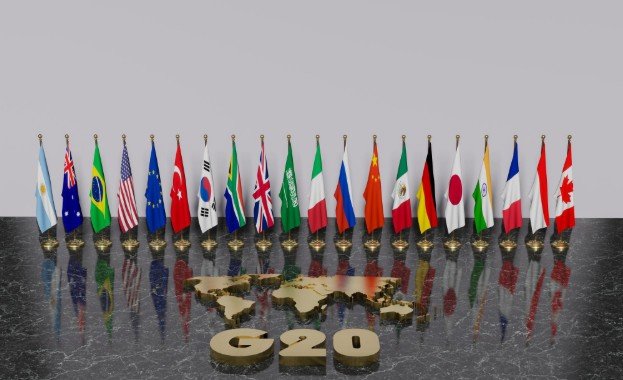
Symbols make national identity visible. Flags, monuments, anthems, seals, historic buildings, and public memorials help people connect with a shared story.
But symbols only work when people understand the meaning behind them. A flag is not powerful because of its colors alone. It is powerful because people connect it with sacrifice, freedom, hope, struggle, or belonging.
National symbols can unite people during moments of celebration or crisis. They can also create debate when different groups interpret them differently. That debate is part of culture too. A healthy national identity allows people to question, reinterpret, and expand what symbols mean.
How History Shapes a Nation’s Cultural Story
History gives national identity its timeline. It tells people where they came from, what challenges they faced, and what values they claim to protect, making it one of the most important world culture facts for curious readers.
However, history is never just a list of dates. It is shaped by the stories a nation chooses to remember. School textbooks, museums, films, speeches, and public holidays all influence how people understand the past.
A stronger national identity includes both pride and honesty. It celebrates achievements while also facing painful chapters. This matters because people from different communities may experience the same national history in different ways. When culture makes room for many stories, national identity becomes more inclusive and more believable.
Culture, Diversity, and Modern National Identity
Modern national identity is no longer built around one narrow image of what a citizen should look like, speak like, or believe. In diverse societies, culture must be wide enough to include many communities.
This is especially important in America, where national identity has been shaped by Indigenous history, immigration, slavery, civil rights, innovation, religion, regional traditions, and global influence.
A multicultural society does not weaken national identity. It can make it richer. The key is shared respect. People can honor their own heritage while still contributing to a common national life.
That is one of the clearest ways to understand how culture shapes national identity in the modern world.
How Globalization Is Changing National Identity

Globalization has changed how people experience culture. Music, fashion, food, movies, social media, and language now move quickly across borders. Young people may feel connected to global trends while still holding local or national pride.
This can make national identity more flexible. People may celebrate traditional holidays, eat global food, watch international entertainment, and speak in a mix of cultural influences.
Some worry that globalization weakens national culture. But it can also encourage people to protect local traditions more intentionally. When people see how fast culture changes, they often become more aware of what they want to preserve.
Why Inclusive National Identity Matters
National identity becomes dangerous when it excludes people who do not fit one narrow cultural image. If a nation says only one religion, one language, one race, or one tradition belongs, many citizens may feel pushed outside the national story.
Inclusive national identity does the opposite. It creates space for different communities while still building shared values. It says people can be different and still belong.
This kind of identity is stronger because it reflects real life. People are not shaped by only one culture. Many carry family heritage, regional customs, national pride, and global influences at the same time.
Frequently Asked Questions
1. What is the easiest way to explain how culture shapes national identity?
Culture shapes national identity by giving people shared traditions, language, symbols, food, music, history, and values that make them feel connected to a nation.
2. Why is language important to national identity?
Language carries stories, laws, songs, memories, and everyday expressions that help people feel connected to their community and nation.
3. Can a country have more than one cultural identity?
Yes. Many countries have several cultural identities because different communities, regions, religions, and immigrant groups all contribute to national life.
4. Does globalization weaken national identity?
Not always. Globalization can change national identity, but it can also make people more interested in preserving local traditions and cultural heritage.
Final Thoughts
I believe national identity is strongest when it feels both shared and open. Culture gives a nation its emotional life through language, food, festivals, art, music, history, and symbols. It helps people feel rooted, but it should never become so narrow that it shuts others out.
The most meaningful national identity is not frozen in the past. It grows as people grow. It remembers history, welcomes diversity, and gives every community a place in the story. That is why culture remains one of the most powerful forces behind belonging, pride, and unity.