I have always found national symbols fascinating because they say a lot about how a country sees itself. Flags and anthems are easy to recognize, but animals often tell a deeper story. Some represent courage, freedom, and strength.
Others come from legends, extinct species, or rare creatures that many people have never seen in real life. That is why countries with interesting national animals are so fun to explore. They turn simple wildlife facts into stories about culture, history, pride, and identity.
Why National Animals Matter
A national animal is more than a creature chosen for decoration. It often reflects a country’s landscape, values, mythology, or historical memory. Some animals are selected because they are native to the region. Others become symbols because they appear in folklore, royal emblems, old stories, or independence movements.
For travelers, students, and curious readers, national animals offer a simple way to understand a country beyond maps and capitals. A tiger can suggest power. A kiwi can show uniqueness. A unicorn can reveal the importance of legend and imagination. When an animal becomes a national symbol, it becomes part of how people explain who they are.
Countries With National Animals That Stand Out
Scotland – Unicorn
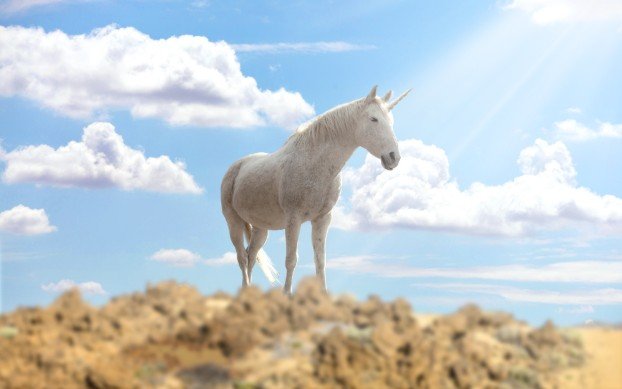
Scotland has one of the most surprising national animals in the world: the unicorn. Unlike most national animals, this one is mythical. The unicorn has long been linked with purity, strength, independence, and untamed spirit. That makes it a fitting symbol for a country with a strong cultural identity and a rich storytelling tradition.
The unicorn also stands out because it proves that a national animal does not always need to be real. Sometimes, the meaning behind the creature matters more than whether it exists in nature.
Mauritius – Dodo
The dodo is one of the most famous extinct animals in history, and it remains closely tied to Mauritius. This flightless bird lived on the island before human activity and introduced species led to its extinction. Today, the dodo is remembered as a symbol of lost wildlife and the importance of conservation.
What makes the dodo interesting is its emotional weight. It is not just a quirky bird from the past. It is a reminder that rare species can disappear forever when ecosystems are not protected.
Democratic Republic of Congo – Okapi
The okapi looks like an animal made from imagination. It has a body similar to a horse, striped legs like a zebra, and a close biological connection to the giraffe. Native to the rainforests of the Democratic Republic of Congo, the okapi is rare, shy, and difficult to spot.
Its unusual appearance makes it one of the most fascinating national animals. It also represents the mystery and biodiversity of Central African forests, where many species still feel hidden from the wider world.
Indonesia – Komodo Dragon
Indonesia’s Komodo dragon is one of the most dramatic national animals. It is the largest living lizard and is known for its powerful body, sharp senses, and prehistoric look. Found on a few Indonesian islands, this reptile feels like something from another age.
The Komodo dragon gives Indonesia a bold wildlife identity. It connects the country with adventure, rare ecosystems, and one of the most memorable reptiles on Earth.
Bhutan – Takin
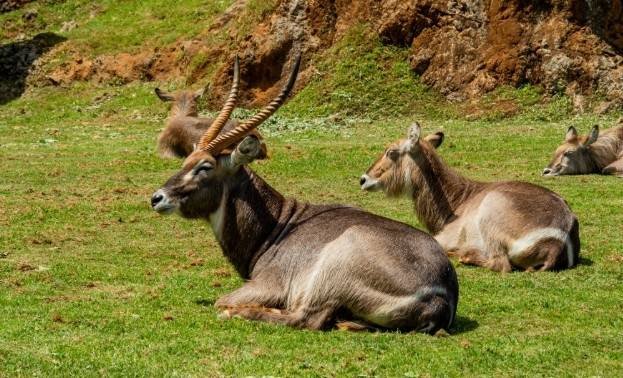
Bhutan’s national animal, the takin, is unusual in both appearance and legend. It has a bulky body, curved horns, and a face that looks different from many familiar mountain animals. The takin is also linked with local religious stories, which makes it culturally important as well as biologically unique.
For readers searching for countries with interesting national animals, Bhutan deserves attention because the takin blends wildlife, mountain geography, spiritual tradition, and famous places around the world into one meaningful national symbol.
Pakistan – Markhor
Pakistan’s national animal is the markhor, a wild goat known for its impressive spiral horns. Its name is often connected with strength, survival, and mountain life. The markhor lives in rugged terrain and has become a symbol of resilience.
Its dramatic horns make it visually unforgettable. It is also a strong example of how national animals can support conservation awareness when people begin to care about protecting the species behind the symbol.
New Zealand – Kiwi
The kiwi bird is small, flightless, nocturnal, and deeply connected to New Zealand’s identity. It is so important that people from New Zealand are often called Kiwis. This bird is not powerful in the traditional sense, but it is unique, rare, and instantly recognizable.
The kiwi proves that a national animal does not need to be fierce to be meaningful. Sometimes, uniqueness and emotional connection matter more than size or strength.
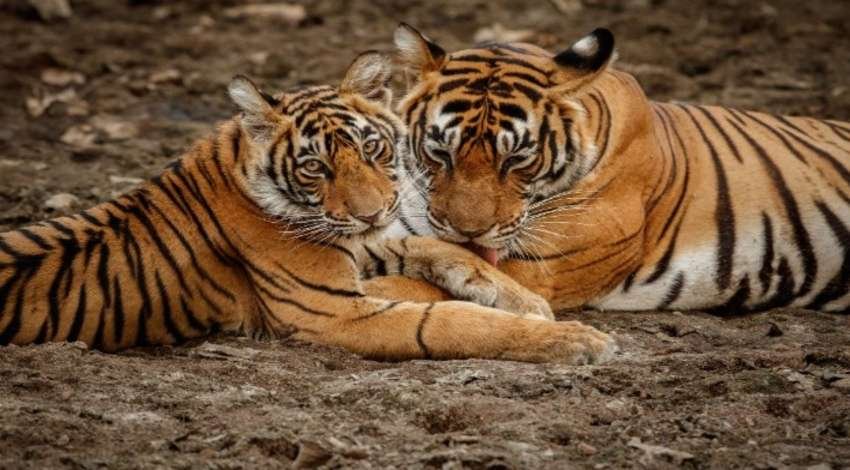
India – Bengal Tiger
India’s national animal, the Bengal tiger, is one of the world’s most admired big cats. It represents power, beauty, courage, and wild nature. The tiger also plays a major role in conservation conversations because its habitat and population need continued protection.
The Bengal tiger stands out because it is both culturally powerful and ecologically important. It is a symbol that captures attention immediately, whether in wildlife documentaries, travel guides, or school lessons.
Canada – Beaver
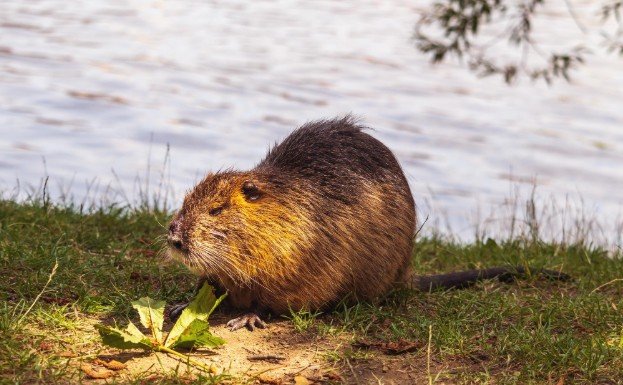
Canada’s beaver may seem humble compared with dragons, tigers, or unicorns, but it has deep historical importance. Beavers shaped trade, settlement, and economic history through the fur trade. They are also known for building dams and changing landscapes.
That makes the beaver interesting in a practical way. It represents hard work, resourcefulness, and the connection between wildlife and national history.
United States – Bald Eagle
The bald eagle is one of the most recognizable national animals in the world. It represents freedom, strength, and independence. Its sharp profile, wide wingspan, and strong presence have made it a familiar symbol in government seals, coins, public buildings, and patriotic imagery.
The bald eagle is interesting because it shows how one bird can become a powerful visual shorthand for national ideals.
What Makes a National Animal Interesting?
The most interesting national animals usually have a story behind them. Some are rare, like the okapi. Some are endangered or extinct, like the dodo. Some are mythical, like the unicorn. Others are powerful predators, hardworking builders, or animals found only in certain parts of the world.
A strong national animal also creates instant curiosity. People want to know why a country chose it, what it represents, and whether the animal is still alive today. That curiosity is what makes these symbols useful for learning about geography, culture, wildlife, and history at the same time.
Frequently Asked Questions
1. What are some countries with interesting national animals?
Some examples include Scotland with the unicorn, Mauritius with the dodo, Indonesia with the Komodo dragon, Bhutan with the takin, and New Zealand with the kiwi. These countries with interesting national animals stand out because their symbols are rare, mythical, extinct, or culturally meaningful.
2. Which country has a unicorn as its national animal?
Scotland is famously associated with the unicorn as a national animal. The unicorn represents strength, purity, independence, and legend.
3. Why is the dodo linked to Mauritius?
The dodo was native to Mauritius and became extinct after human arrival and ecological changes. Today, it represents both the island’s natural history and the need for wildlife protection.
4. What is the strangest national animal?
That depends on personal opinion, but the unicorn, dodo, okapi, takin, and Komodo dragon are often considered among the strangest or most unusual national animals.
Final Thoughts
I think national animals are one of the easiest ways to make world culture feel exciting. They show that every country has a story to tell, whether that story comes from forests, mountains, myths, extinct birds, or powerful predators.
When I look at these animals together, I see more than a list of symbols. I see how people connect nature with pride, memory, and identity. That is what makes these national animals so unforgettable.