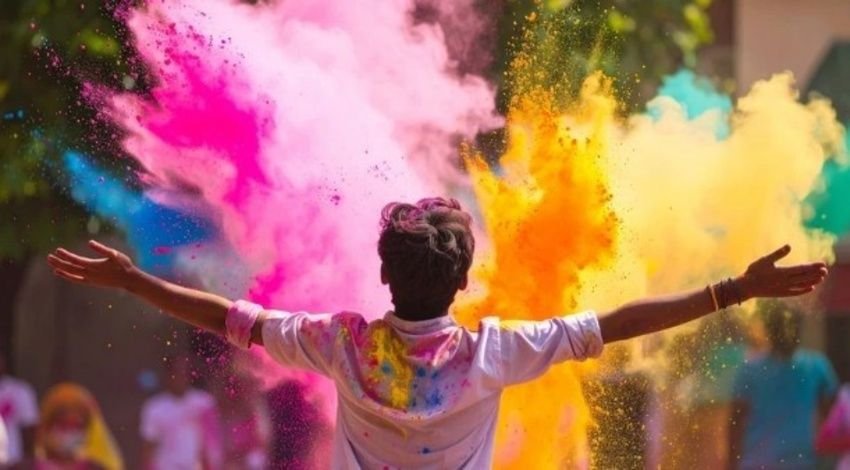
I have always felt that festivals reveal the real personality of a place. A monument can show history, but a festival shows how people live, remember, celebrate, and pass culture forward. That is why countries known for festivals and traditions attract travelers who want more than pretty photos. They want color, food, music, rituals, stories, and moments that feel alive.
The best festival destinations stand out because their celebrations connect with identity, family, faith, seasons, and heritage.
Why Festivals Make Countries Unforgettable
Festivals help people honor the past while keeping culture active in the present. They mark harvests, religious events, new years, historic victories, family memories, and seasonal changes. For visitors, they offer an easy way to understand a country through sound, taste, dress, dance, and emotion.
A strong cultural guide should not only list events. It should explain what to see, when to go, and why each celebration matters, especially for travelers exploring countries with beautiful natural wonders and rich traditions.
India: Color, Light, Faith, and Family Celebration
India is one of the richest festival destinations in the world. Holi fills streets with color and marks joy, spring, and renewal. Deepavali, the festival of lights, brings families together with lamps, sweets, prayers, and decorations that symbolize light overcoming darkness.
What makes India stand out is variety. Food, clothing, music, temple customs, dances, and rituals change from region to region, giving travelers a deeper view of living culture.
Brazil: Carnival and the Spirit of the Streets
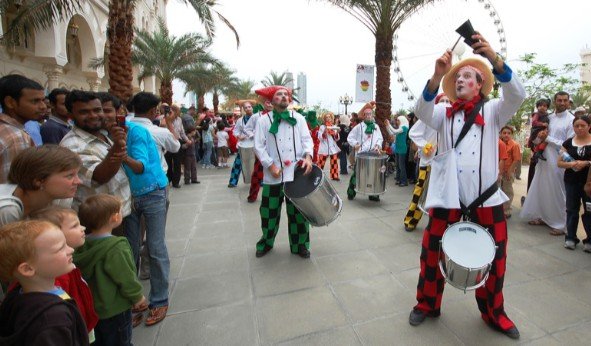
Brazil is globally recognized for Carnival, especially in Rio de Janeiro. Samba music, bold costumes, street parties, and massive parades turn the celebration into a symbol of national energy.
Carnival reflects creativity, community pride, rhythm, and public celebration. Brazil shows how one festival can become part of a country’s global identity.
Mexico: Day of the Dead and Living Memory
Mexico is famous for Día de los Muertos, or Day of the Dead. Families remember loved ones with altars, candles, marigolds, food, sugar skulls, and meaningful decorations.
The tradition feels powerful because it treats memory as something beautiful and shared. The visuals attract attention, but the meaning gives the celebration lasting value.
Japan: Seasonal Beauty and Respectful Traditions
Japan is known for festivals that connect nature, spirituality, and community life. Cherry blossom viewing celebrates seasonal beauty, while summer matsuri often include food stalls, traditional clothing, music, fireworks, and shrine customs.
Japanese festivals feel carefully balanced. They can be lively, but they also carry elegance, respect, and symbolism.
Thailand: Water, Lanterns, and Renewal
Thailand is famous for Songkran, the Thai New Year water festival. Many visitors notice the playful water fights, but the tradition also represents cleansing, renewal, respect for elders, and spiritual reflection.
Lantern and floating basket celebrations add another magical side. Thailand is ideal for travelers who want joyful energy with peaceful beauty.
Germany: Oktoberfest and Folk Culture
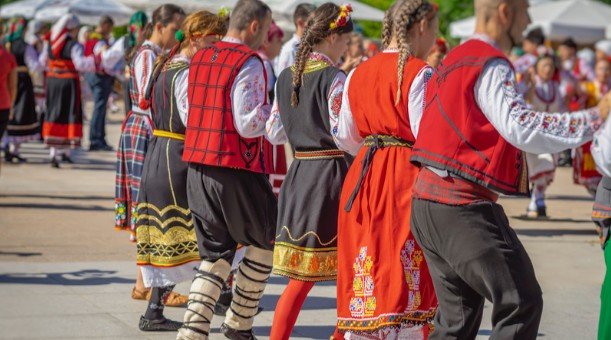
Germany is closely linked with Oktoberfest in Munich. Traditional clothing, music, hearty food, decorated tents, and community gathering make it one of the most recognizable festivals in the world.
Behind the fun, Oktoberfest reflects Bavarian pride and regional heritage. Germany’s Christmas markets and folk events also make its festival calendar feel warm and historic.
China: Lunar New Year and Dragon Boat Heritage
China has meaningful traditional celebrations. Lunar New Year centers on family reunions, red decorations, symbolic foods, and wishes for prosperity.
The Dragon Boat Festival adds boat races, zongzi, and ancient stories to modern public life. China’s strength is continuity, as old customs remain important in changing cities.
Peru: Inca Heritage and Sacred Ceremony
Peru is known for festivals that connect modern life with Inca history. Inti Raymi, the Festival of the Sun, honors ancient beliefs, nature, and sacred identity.
Costumes, music, ceremony, and historic settings make Peru a strong choice for travelers who want heritage, landscapes, and cultural storytelling together.
Mongolia, Bhutan, and Sri Lanka: Underrated Festival Gems
Mongolia deserves attention for Naadam, a celebration of wrestling, horse racing, and archery. It reflects nomadic skill, endurance, and national pride.
Bhutan is known for spiritual festivals with masked dances, monastery gatherings, and Buddhist storytelling. Sri Lanka offers temple pageants, dancers, drummers, and decorated processions that show the sacred side of celebration.
Frequently Asked Questions
1. Which are the best countries known for festivals and traditions?
India, Brazil, Mexico, Japan, Thailand, Germany, China, Peru, Mongolia, Bhutan, and Sri Lanka are some of the best choices.
2. Which country has the most colorful festivals?
India is often seen as one of the most colorful because of Holi, Deepavali, regional clothing, flowers, music, and food traditions.
3. Which country is best for cultural festival travel?
Japan is great for seasonal traditions, while Mexico and India are ideal for emotional, family-centered cultural experiences.
4. Why do travelers love traditional festivals?
Travelers love festivals because they show local food, music, clothing, history, faith, and community life in one memorable experience.
Final Thoughts
For me, countries known for festivals and traditions are the places that stay in memory long after the trip ends. They do not just offer landmarks; they offer living culture. Whether it is a glowing lamp in India, a samba beat in Brazil, a marigold altar in Mexico, or a lantern floating in Thailand, festivals remind me that every country has a story worth experiencing.