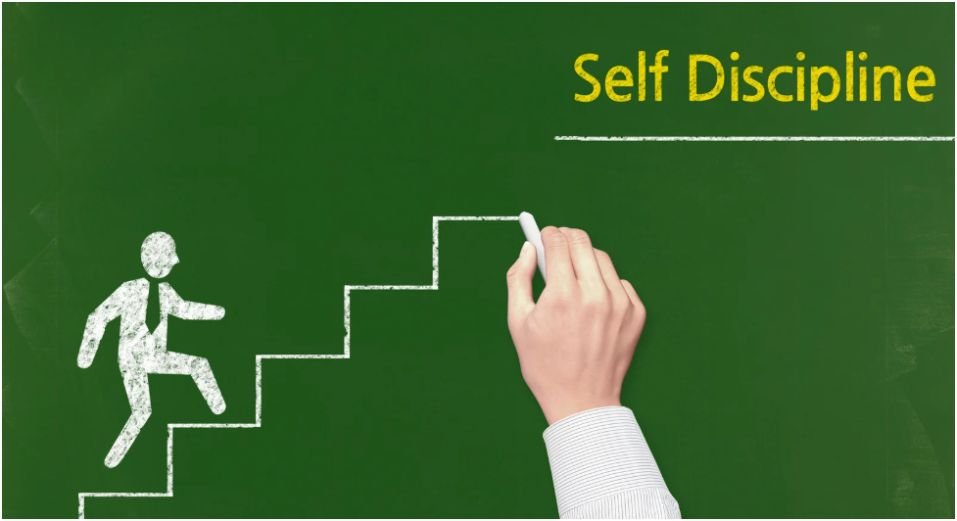
I used to think discipline meant waking up with heroic willpower. Then I noticed my best days had less drama, fewer choices, and better defaults. That changed how I explain how to become more disciplined: build a life where the right action is easier to start than the wrong one.
Discipline is not punishment. It is self-trust built through repeated proof. One kept promise becomes a receipt. Enough receipts become identity.
Discipline is a system, not a personality upgrade
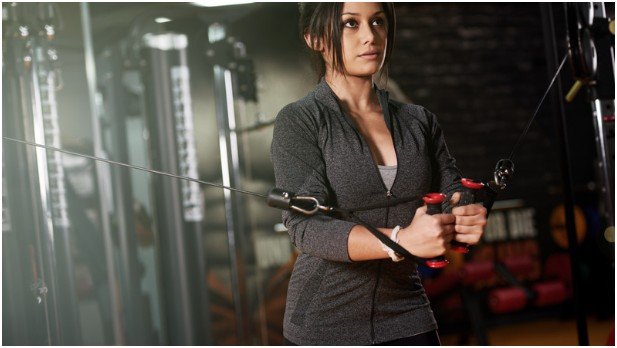
Most people fail because they treat discipline like a mood. They wait to feel ready, then blame themselves when the feeling disappears. I use a simpler rule: never build a goal that depends on being inspired.
Research on implementation intentions supports this idea. An “if-then” plan gives the brain a preloaded response, so the decision already has a trigger.
Replace vague goals with if-then plans
A weak goal says, “I will exercise more.” A disciplined system says, “If it is 7:00 a.m., then I put on my shoes and walk for ten minutes.” The second version has a time, place, and action.
Use this formula for work, fitness, money, cleaning, and study habits. Small plans survive busy days.
How to become more disciplined by changing your environment
Your environment is either training your discipline or taxing it. I learned this while trying to write with my phone beside me. I kept “checking one thing,” then losing twenty minutes.
Now my phone stays in another room. My desk holds only the task I am doing. My workout clothes sit where I can see them. The goal is not to become immune to temptation. The goal is to need less resistance.
Do a friction audit
Pick one habit you keep avoiding. Ask, “What makes this harder than it needs to be?” Maybe your gym bag is empty. Maybe your pantry is full of snacks. Maybe your laptop opens straight to social media.
Fix the first obstacle, not your entire life. To read at night, place the book on your pillow. To eat better, put easy protein and cut fruit at eye level. Discipline loves obvious cues.
How to become more disciplined with micro-habits
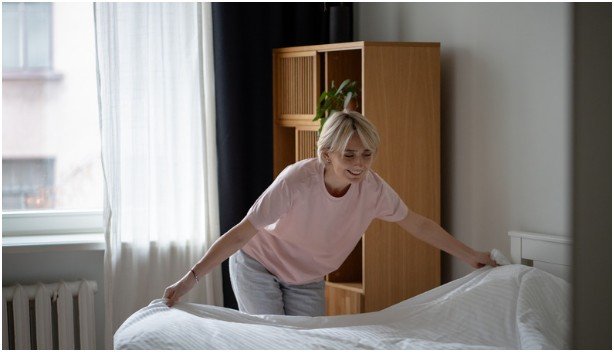
Big goals are exciting. Tiny habits are repeatable. When I feel stuck, I use the five-minute rule. I only have to begin for five minutes. After that, I can stop without guilt.
Most of the time, I continue. Starting was the real wall. A micro-habit lowers emotional resistance because you are stepping into motion.
Stack the habit onto something you already do
Habit stacking works best when the old routine is stable. After brushing my teeth, I stretch for two minutes. After lunch, I review my top task. After shutting my laptop, I reset my desk.
This approach also protects simple living. When I connect discipline to how to enjoy simple living, I stop adding pressure and start removing clutter. A disciplined life is not fuller. It is cleaner.
Protect your energy before blaming your willpower
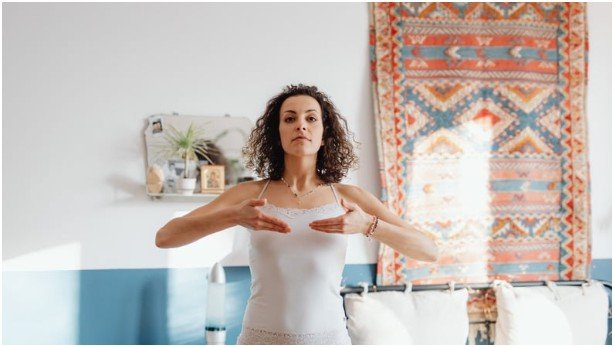
Willpower feels weak when the body is underfed, underslept, and overstimulated. That does not mean discipline is fake. It means the brain needs better working conditions.
The CDC recommends seven or more hours of sleep for most adults. Sleep loss can hurt attention, memory, and decision-making. That matters because discipline is a decision-making skill repeated under pressure.
Build discipline around your strongest hours
I schedule hard tasks early because my focus is better then. I keep shallow tasks for later. That one change made discipline feel less like a fight.
Movement helps too. Physical activity supports brain health, mood, and sleep. A brisk walk can reset my focus before I make another choice I regret.
Build accountability without becoming dramatic
Accountability works when it makes the next action visible. It does not need shame, public pressure, or loud announcements.
I use a wall calendar for habits that matter. Every completed day gets a mark. The goal is not to create a perfect streak. The goal is to notice patterns before they become excuses.
Use the 5-3-1 reset
Here is my original reset for days when discipline slips: five minutes to clean the environment, three non-negotiable actions, and one visible score.
After a lazy morning, I clear my desk for five minutes. Then I choose three actions: reply to one important email, walk ten minutes, and prepare tomorrow’s task list.
This stops one bad hour from becoming a bad day. It also gives discipline a comeback route.
Change your identity, not just your schedule
To understand how to become more disciplined long-term, pay attention to the labels you repeat. “I am lazy” sounds harmless, but it gives every slip a personality story.
I prefer identity-based language. I tell myself, “I keep small promises.” That sentence is believable and only requires the next kept promise.
Forgive fast, restart faster
Missing a day is not a failure. Turning one missed day into a full quit is the real problem. When I miss a habit, I restart with the smallest version the next day.
Discipline grows when recovery is quick. You do not need a new personality every Monday. You need a smaller re-entry point.
FAQs
1. What is the fastest way to learn how to become more disciplined?
The fastest way is to remove one distraction, create one if-then plan, and repeat one tiny habit daily.
2. Why do I struggle with self-discipline even when I want change?
You may be relying on motivation instead of clear cues, sleep, energy, and accountability.
3. How long does it take to build discipline?
A 2024 habit-formation review found habits can start forming around two months, but timing varies by person and behavior.
4. Can discipline help reduce procrastination?
Yes. Discipline reduces procrastination when tasks are broken into small starts with clear deadlines and visible tracking.
The final nudge: stop auditioning for your better self
I like discipline best when it feels quiet. No big speech. No dramatic reinvention. Just the next clean choice.
If you want to know how to become more disciplined, start today with one boring promise you can keep before bedtime. Put the phone away, set the shoes out, write the first sentence, or clean the first corner. Your future self does not need a performance. They need proof.