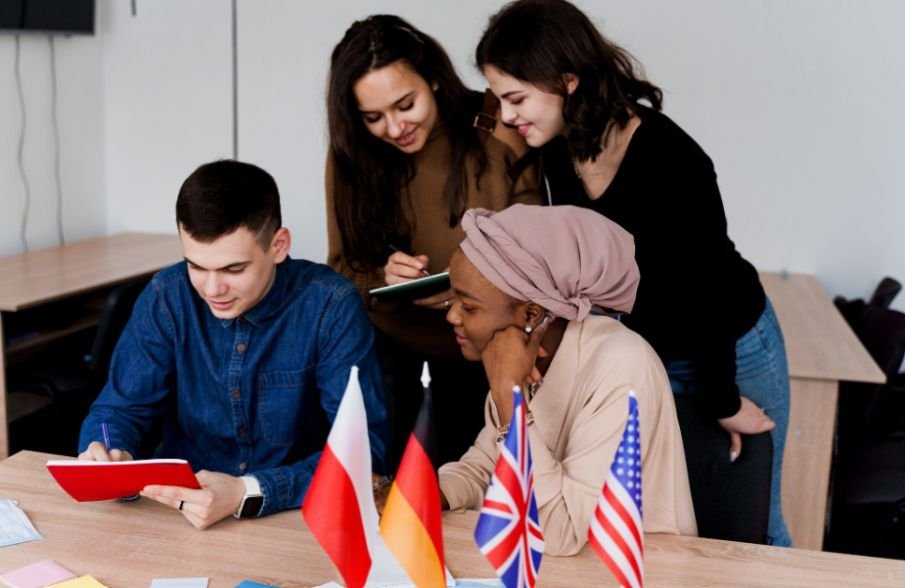
I have always felt that learning about the world becomes easier when it feels personal, visual, and enjoyable. Instead of memorizing random country names, I like to connect each nation with its flag, map location, language, food, traditions, and daily life.
That is why Tips for Learning About Different Nations can help beginners understand the world in a more meaningful way. When learning becomes a mix of stories, symbols, cultures, and geography, every country becomes easier to remember and more interesting to explore.
Why Learning About Nations Matters
Learning about nations is more than knowing where a country sits on a map. It helps people understand how history, culture, geography, climate, language, and traditions shape everyday life. Every nation has its own identity, and that identity often appears in its flag, festivals, food, national symbols, clothing, music, and values.
This type of learning also builds respect. When readers understand why people celebrate certain holidays, speak certain languages, or follow certain customs, they are less likely to judge unfamiliar traditions. It creates curiosity instead of confusion.
For students, travelers, families, and geography lovers, country learning can also improve memory, reading skills, cultural awareness, and global thinking. The best approach is to avoid rushing. Learning one nation at a time makes the process easier and more enjoyable.
Start With Maps and Country Locations
Maps are one of the easiest ways to begin. Before learning deep cultural facts, it helps to know where a nation is located. Is it an island country? Is it landlocked? Is it close to mountains, deserts, oceans, or forests? These details often explain how people live, what they eat, what they trade, and how their culture develops.
A simple world map can help readers group countries by continent, region, and border. For example, learning South American countries together or studying island nations separately can make geography less confusing. It is also helpful to compare country size, neighboring nations, capitals, and major rivers.
For readers who want a more structured way to study geography, these tips for learning world maps can make continents, borders, and country locations easier to understand.
Using blank maps, labeling exercises, and map quizzes can turn learning into a fun challenge. This keeps the brain active instead of simply reading facts.
Study Flags and National Symbols
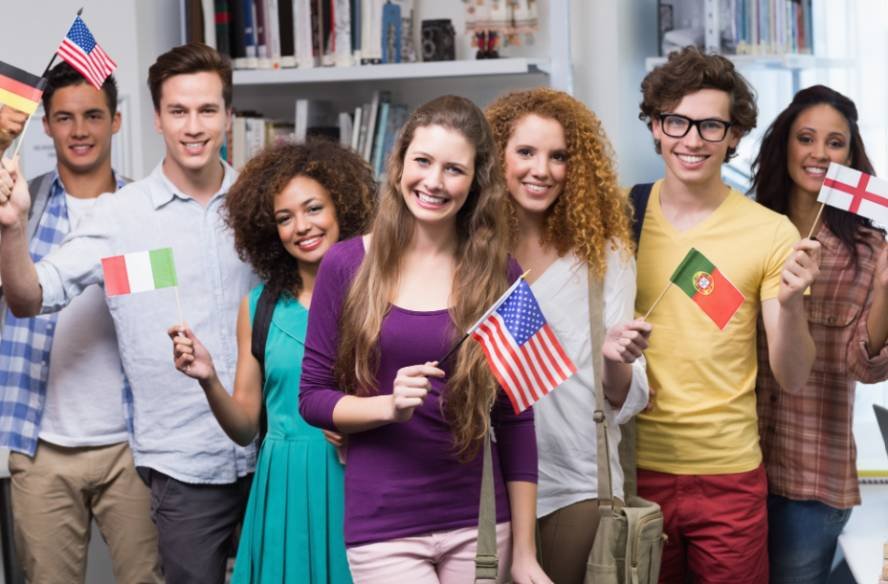
Flags are powerful learning tools because they often carry meaning. Colors, stars, animals, crosses, stripes, suns, moons, and shields can represent history, religion, freedom, unity, natural beauty, or national struggle. When readers study a flag, they often remember the nation more clearly.
National symbols also make learning deeper. A country’s bird, flower, animal, coat of arms, anthem, or landmark can reveal what the nation values. For example, some countries choose strong animals to show courage, while others use plants or natural symbols to reflect beauty and heritage.
This is where tips for learning about different nations become more useful. Instead of learning countries as plain names, readers can connect each nation with memorable symbols that explain its identity.
Learn Through Food, Music, and Festivals
Culture becomes easier to understand when it feels alive. Food is one of the best ways to learn about a nation because it reflects climate, farming, trade, religion, and family traditions. Rice, spices, bread, seafood, noodles, tea, and street food can all tell stories about a place.
Music also helps. Traditional instruments, folk music songs, dance styles, and national music genres show how people express joy, history, grief, celebration, and identity. Listening to music from different nations can make culture feel closer and more emotional.
Festivals are another strong learning point. They show what people celebrate, remember, and honor. Some festivals are linked to religion, some to harvest seasons, some to historical victories, and some to family traditions. Learning the meaning behind festivals helps readers understand how nations preserve their values across generations.
Learn Basic Greetings and Languages
Language is a doorway into culture. Readers do not need to become fluent in every language to appreciate different nations. Even learning simple greetings like hello, thank you, goodbye, and welcome can make a country feel more familiar.
Languages also reveal how people think and communicate. Some countries have one major language, while others have many official or regional languages. This can show how diverse a nation is internally. Learning common phrases, scripts, pronunciation, and writing systems can make global learning more interactive.
A good method is to create a small language card for each nation. It can include the official language, one greeting, one thank-you phrase, and one interesting language fact.
Use Books, Videos, and Virtual Tours
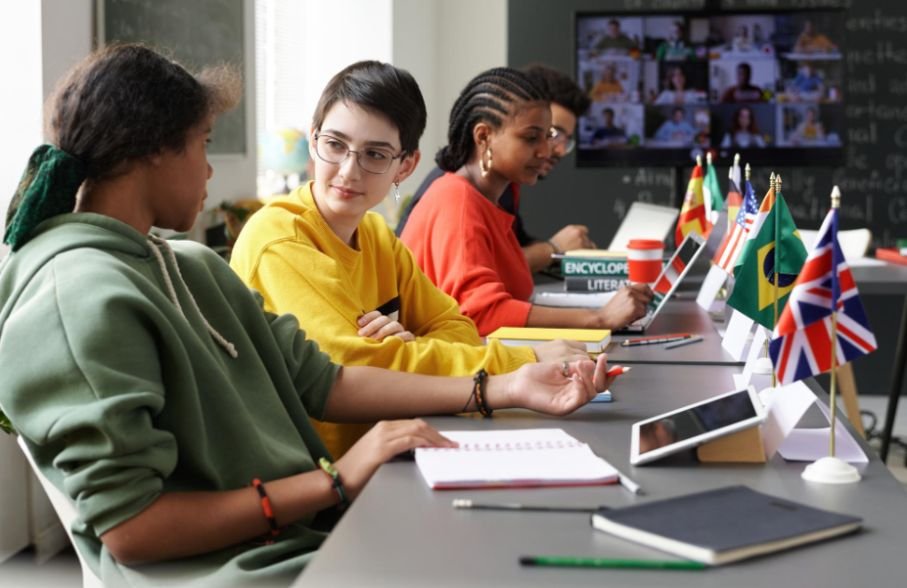
Books make country learning deeper because they provide stories, pictures, and explanations. Children’s books, travel guides, cultural guides, and history books can all make nations easier to understand. Reading stories from or about a country helps readers see daily life through another perspective.
Videos and documentaries are helpful because they show real landscapes, cities, villages, markets, schools, homes, festivals, and natural wonders. Virtual tours are also useful for exploring museums, landmarks, monuments, and heritage sites without needing to travel.
The best learning method is to combine reading with watching. A reader might first locate a country on a map, then study its flag, then watch a short video about its culture, and finally write five key facts.
Compare Nations Without Stereotyping
Comparison can make learning easier, but it must be done carefully. It is fine to compare climate, language families, flag colors, food habits, or festivals. However, it is important not to reduce an entire nation to one custom or one famous landmark.
Every country has regional differences, modern changes, and diverse communities. A capital city may feel very different from a rural village. A traditional festival may not be celebrated by every person. A famous dish may belong to one region rather than the whole country.
Respectful learning means asking better questions. Instead of asking, “What are people from this country like?” ask, “What are some traditions, histories, and cultural influences found in this nation?” That small shift makes learning more accurate and respectful.
Helpful Resources for Country Learning
Good country learning should come from reliable and age-appropriate resources. Readers can use world atlases, geography books, educational websites, museum pages, travel documentaries, language apps, library books, and cultural organization pages.
Building a regular study habit also matters, and readers who want to stay consistent can learn how to become more disciplined while exploring countries one step at a time.
It is also useful to check more than one source. Country facts can change over time, especially population numbers, leaders, borders, and official data. Using updated sources helps keep learning accurate.
For younger readers, visual resources work best. For older learners, country profiles, cultural essays, history timelines, and travel guides can add more depth.
Frequently Asked Questions
1. What are the best tips for learning about different nations?
The best way is to combine maps, flags, food, language, music, festivals, books, and short country facts instead of memorizing only names.
2. How can beginners learn about countries easily?
Beginners should start with one continent, study one nation at a time, and use maps, quizzes, and visual notes to remember details.
3. Why are flags useful for learning about nations?
Flags often show history, values, symbols, religion, freedom, unity, or natural features connected to a nation.
4. How can children enjoy learning about world countries?
Children can use coloring maps, flag cards, food activities, storybooks, videos, and simple country challenges.
Final Thoughts
I believe learning about nations becomes much more enjoyable when it feels like exploration instead of homework. Every flag, map, greeting, meal, song, and festival opens a small window into how people live and what they value.
When I study countries this way, I remember more because each nation becomes connected to a real story. With patience, curiosity, and respectful learning, anyone can build a stronger understanding of the world one country at a time.