Every year, Hispanic Heritage Month reminds me that America’s story is much bigger, richer, and more colorful than what many history books can hold. It is seen in the food families pass down, the Spanish words spoken at home, the music that fills neighborhoods, the workers who built communities, the veterans who served the nation, and the leaders who changed public life.
So, Why Is Hispanic Heritage Month Important? Because it gives the United States a chance to honor the Hispanic and Latino voices, traditions, struggles, and achievements that have helped shape the country for generations.
What Is Hispanic Heritage Month and Who Does It Honor?
Hispanic Heritage Month is a national observance in the United States that recognizes the histories, cultures, achievements, and contributions of Hispanic and Latino Americans.
It honors people whose families come from Spanish-speaking countries and Latin American communities, including Mexico, Puerto Rico, Cuba, the Dominican Republic, El Salvador, Guatemala, Colombia, Venezuela, Peru, Chile, Spain, and many more.
This month is not only about celebration. It is also about education. It gives schools, museums, workplaces, families, and communities a chance to share stories that are often overlooked.
Hispanic and Latino Americans have shaped the United States as pioneers, farmworkers, military heroes, teachers, scientists, athletes, artists, public servants, entrepreneurs, and civil rights leaders.
Why Is Hispanic Heritage Month Important for America Today?
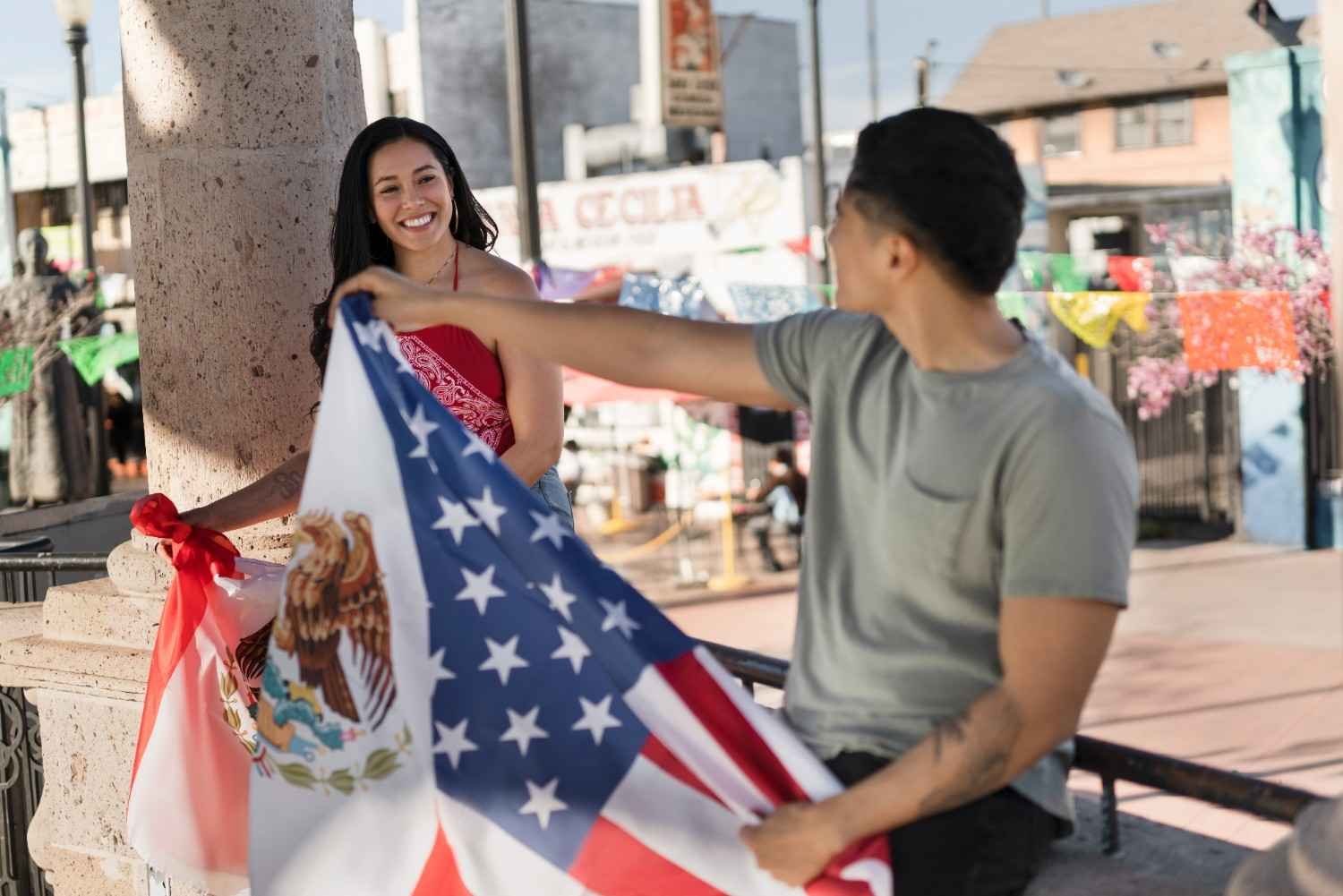
The best answer to Why Is Hispanic Heritage Month Important starts with recognition. Hispanic and Latino Americans have made massive cultural, historical, and economic contributions to the United States. Their influence appears in agriculture, construction, small business, healthcare, education, entertainment, technology, public service, and the military.
This month also matters because representation still matters. Many Latino stories are underrepresented in textbooks, mainstream media, workplaces, and classrooms. Hispanic Heritage Month helps bring those stories forward. It gives young people a chance to see themselves reflected in American history and reminds the wider public that Latino contributions are not new, temporary, or separate from the national story.
It also helps fight stereotypes. Too often, Hispanic and Latino communities get reduced to narrow images or simplified narratives. A meaningful celebration shows the real diversity of Hispanic identity, including different races, countries, languages, traditions, migration stories, political views, foods, art forms, and family histories.
Why Does Hispanic Heritage Month Start on September 15?
Hispanic Heritage Month begins on September 15 because that date carries major historical meaning. Costa Rica, El Salvador, Guatemala, Honduras, and Nicaragua all mark their independence anniversaries on September 15. Mexico celebrates its independence on September 16, and Chile celebrates on September 18. Belize also observes its independence during this period, on September 21.
This timing makes the celebration more meaningful than a random calendar choice. It connects the month to freedom, national identity, resilience, and history across Latin America. For Americans with roots in these countries, the date can feel personal. For others, it offers a chance to learn why these independence milestones matter.
The History of Hispanic Heritage Month in the United States
Hispanic Heritage Month began as Hispanic Heritage Week in 1968 under President Lyndon B. Johnson. The purpose was to formally recognize the important role Hispanic Americans played in the nation’s story.
In 1988, President Ronald Reagan expanded the observance into a full 30-day period. That change gave schools, cultural institutions, community groups, and government agencies more time to highlight Hispanic history and culture. It also gave the observance a stronger national presence.
This history shows a bipartisan legacy. Leaders from different political backgrounds recognized the value of honoring Hispanic and Latino Americans. That long-standing national commitment matters because it shows that Hispanic Heritage Month is not a trend. It is part of America’s effort to recognize the many communities that helped shape the country.
Hispanic and Latino Contributions to American Life

Hispanic and Latino Americans have influenced nearly every part of American life. In food culture, their impact appears through Mexican, Puerto Rican, Cuban, Salvadoran, Dominican, Peruvian, Colombian, and many other cuisines.
In music, their influence includes salsa, mariachi, reggaeton, bachata, Tejano, Latin pop, Latin jazz, and regional styles that continue to shape American sound.
In sports, Hispanic and Latino athletes have left a powerful mark in baseball, boxing, soccer, basketball, and the Olympics. In the arts, Hispanic creativity appears in literature, film, murals, textiles, dance, fashion, theater, and visual storytelling.
In business, Hispanic entrepreneurs support local economies, create jobs, and build companies that serve communities across the country.
The impact is also visible in labor history and civil rights. Hispanic activists helped fight for fair wages, safer working conditions, voting rights, better schools, and dignity for workers. These efforts did not only support Latino communities. They helped improve American society as a whole.
How Hispanic Heritage Month Builds Pride and Unity
One reason Hispanic Heritage Month feels powerful is that it brings together a very diverse group of people. Hispanic and Latino communities do not all share the same culture, accent, food, race, or history. Someone with roots in Puerto Rico may have a different experience from someone with roots in Mexico, Cuba, Guatemala, Colombia, or Spain.
Still, the month creates a shared space for pride, resilience, and remembrance. It gives families a chance to honor grandparents, parents, and ancestors who carried traditions forward. It also helps younger generations stay connected to language, music, food, faith, stories, and family values.
For many families, preserving the Spanish language is part of that connection. For others, heritage may live through recipes, holidays, textiles, music, dance, names, community gatherings, or stories passed down at home. Hispanic Heritage Month reminds people that these traditions are worth protecting.
How Schools and Workplaces Can Celebrate Respectfully
Schools can celebrate Hispanic Heritage Month by teaching real history, not just surface-level culture. Students benefit when they learn about Hispanic scientists, writers, veterans, judges, artists, activists, athletes, and community leaders. They also benefit when teachers explain the differences between Hispanic, Latino, Latina, Latine, and Latinx instead of treating every identity as the same.
Workplaces can also recognize the month in meaningful ways. A respectful celebration may include speaker sessions, employee stories, book discussions, support for Hispanic-owned businesses, cultural learning events, and honest conversations about representation.
The goal should not be a quick marketing moment. It should be real inclusion, learning, and long-term respect.
How Families and Communities Can Celebrate

Families and communities can celebrate by attending local events, visiting museums, reading Hispanic authors, watching documentaries, listening to music from different regions, supporting Hispanic-owned businesses, and learning about Latino leaders in American history.
The best celebrations avoid stereotypes. Hispanic Heritage Month should not reduce a large and diverse population to food, flags, or decorations. Food and festivals can be joyful parts of the month, but they should be connected to deeper learning and respect.
Why Hispanic Heritage Month Still Matters
Some people may wonder why heritage months are still needed. I think the answer is simple. A country understands itself better when it tells a fuller version of its own story.
Hispanic and Latino Americans have helped build the United States for generations. Their work, creativity, service, leadership, and resilience have shaped neighborhoods, schools, farms, businesses, sports, music, politics, and culture. Recognizing that history helps create a more honest and united America.
FAQs About Hispanic Heritage Month
1. What is the main purpose of Hispanic Heritage Month?
The main purpose of Hispanic Heritage Month is to honor the histories, cultures, achievements, and contributions of Hispanic and Latino Americans in the United States.
2. Why is Hispanic Heritage Month celebrated from September 15 to October 15?
It starts on September 15 because several Latin American countries celebrate independence anniversaries around that date, including Costa Rica, El Salvador, Guatemala, Honduras, Nicaragua, Mexico, Chile, and Belize.
3. How does Hispanic Heritage Month help fight stereotypes?
It helps fight stereotypes by showing the diversity, achievements, history, and real-life experiences of Hispanic and Latino communities instead of relying on narrow or inaccurate images.
4. Why Is Hispanic Heritage Month Important for Students?
Why Is Hispanic Heritage Month Important for Students? It helps them learn a fuller version of American history and gives Hispanic and Latino students stronger representation in classrooms.
5. How can Americans celebrate Hispanic Heritage Month respectfully?
Americans can celebrate by learning from Hispanic voices, supporting Hispanic-owned businesses, reading books by Latino authors, attending cultural events, and avoiding generalizations.
Final Thoughts
When I think about Hispanic Heritage Month, I think about pride, memory, education, and respect. This month gives Americans a chance to honor the people, families, and communities that helped shape the country in powerful ways.
It also answers the deeper question of why is hispanic heritage month important by showing how Hispanic and Latino communities have influenced American life for generations.
It also reminds us that Hispanic and Latino culture is not a side note in the American story. It is part of the foundation.
Just as learning about native American cultural symbols and meanings helps people understand the deeper roots of Indigenous identity, learning about Hispanic heritage helps Americans see the history, struggle, creativity, and pride behind the communities that continue to shape the nation.
From independence history and civil rights to food, business, art, sports, military service, and language, Hispanic heritage continues to shape the United States every day.