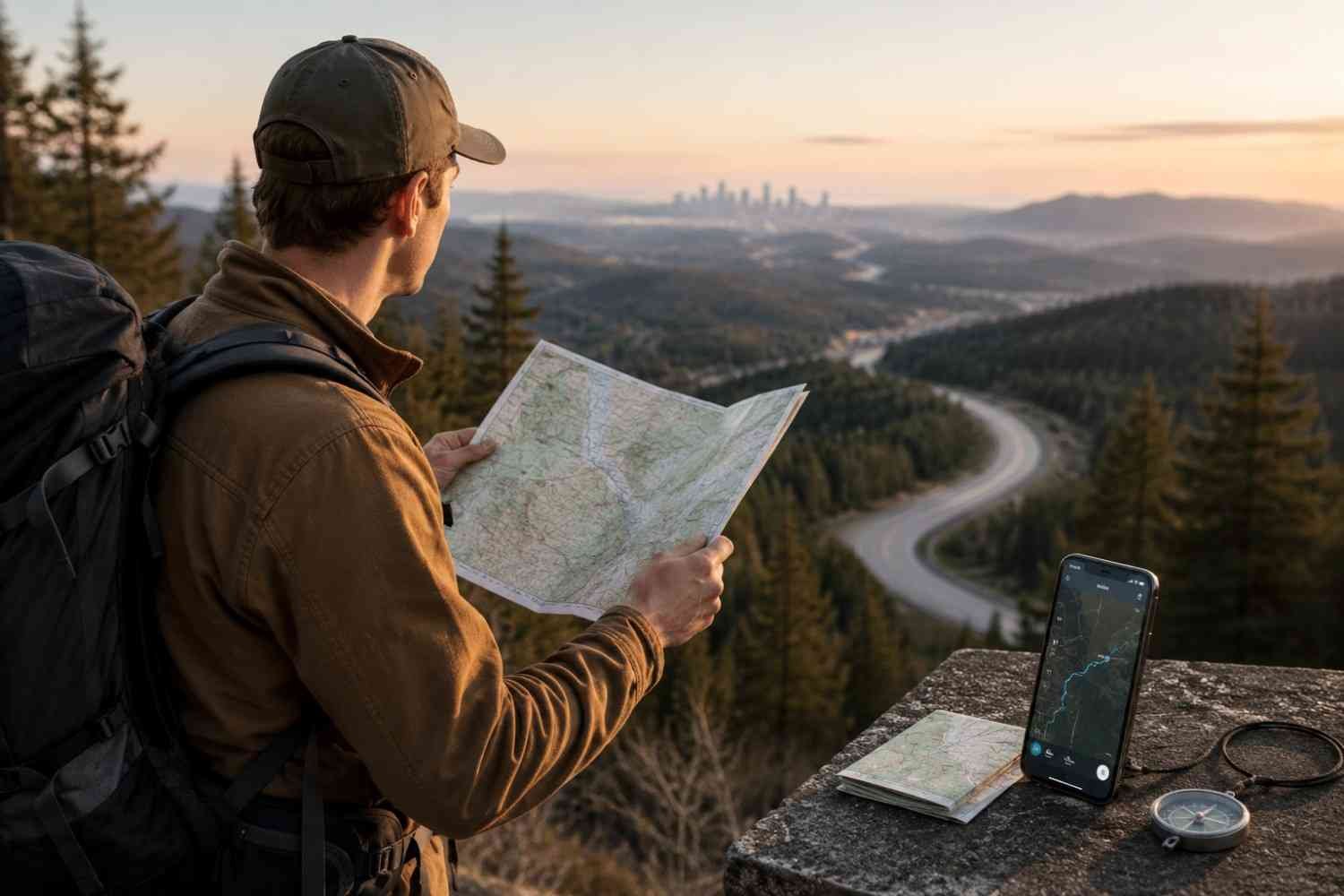
Pulling out a phone and following turn-by-turn directions has become second nature. Whether you’re driving across town, exploring a new city, or planning a hiking trip, digital navigation tools make it easy to get from one place to another with minimal effort. Most people rarely think about how they would navigate if that technology suddenly stopped working.
Yet map reading remains a valuable skill. Beyond helping people find their way, it develops spatial awareness, strengthens problem-solving abilities, and creates a deeper understanding of the world around us. While GPS technology offers convenience, map-reading skills provide something technology often cannot: context, independence, and confidence.
GPS Made Navigation Easier-But Not Necessarily Better
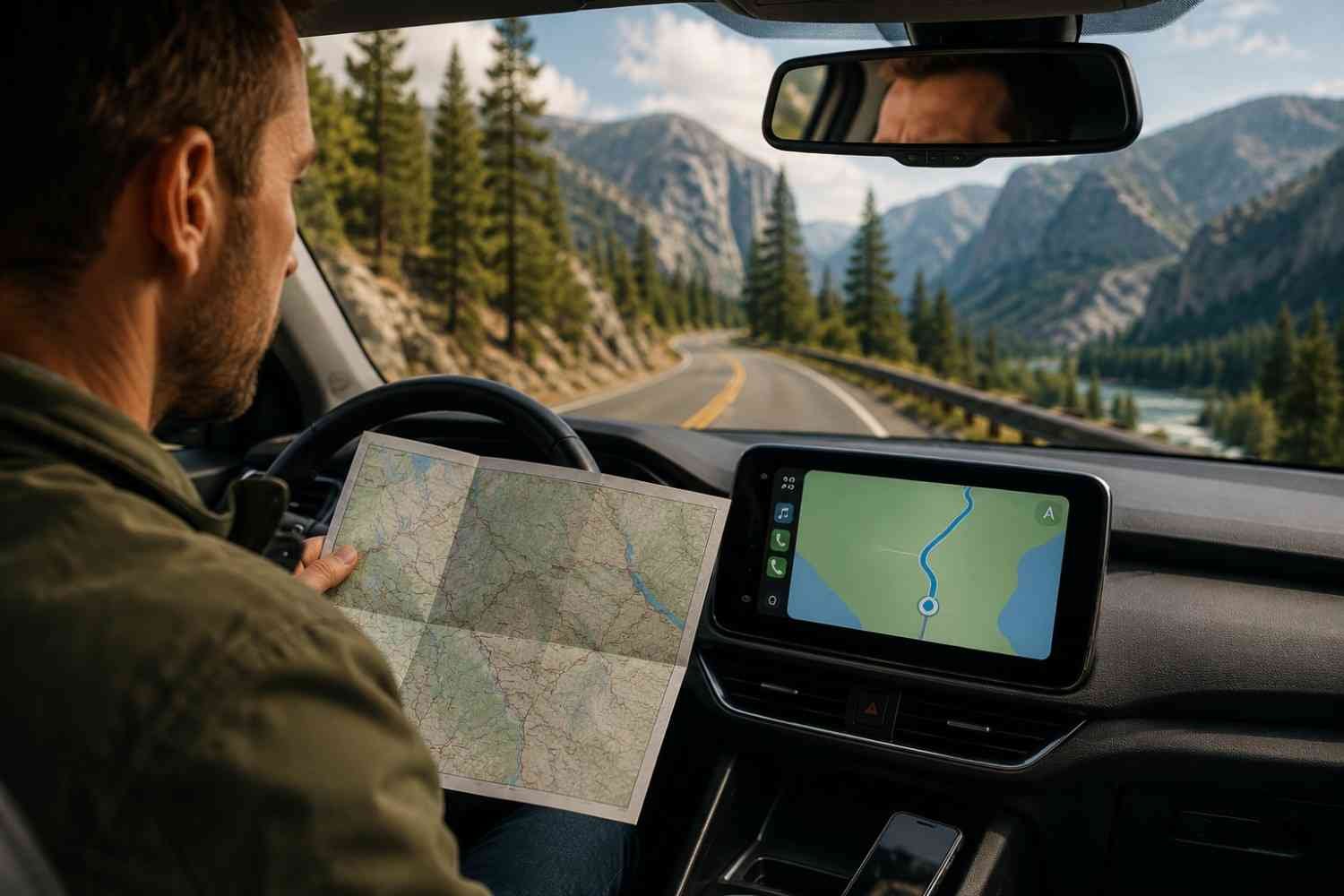
Digital navigation transformed travel. Directions that once required planning can now be generated instantly. Traffic updates, route adjustments, and estimated arrival times make travel more efficient than ever.
The Convenience We All Rely On
Most navigation apps are designed to reduce effort. Users simply enter a destination and follow instructions. The process is fast, simple, and highly effective under normal conditions.
For everyday travel, that convenience is difficult to ignore. Few people would choose unfolding a paper map over tapping a smartphone screen.
What Happens When Technology Fails
The problem appears when travelers become completely dependent on technology. Dead batteries, software glitches, poor signal coverage, and power outages can quickly turn a routine trip into a frustrating experience.
In remote locations, national parks, mountain regions, and rural highways, navigation systems may lose accuracy or stop functioning altogether. When that happens, people who understand maps often adapt more easily because they already know how to interpret their surroundings.
How Map Reading Skills Strengthen the Brain
Map reading is more than a navigation technique. It is an active mental exercise.
Building Spatial Awareness
When reading a map, the brain constantly evaluates landmarks, distances, directions, and relationships between locations. This process helps build a mental model of an area rather than simply following instructions.
Over time, this improves spatial awareness, making it easier to remember routes, estimate distances, and understand how places connect to one another.
Research on navigation and cognitive function has frequently highlighted the importance of active wayfinding. Instead of passively following prompts, map readers engage with their environment and make navigation decisions independently.
Why Active Navigation Matters
GPS users often focus only on the next instruction. A map reader, however, evaluates the broader landscape.
This difference matters because active navigation encourages critical thinking. It requires people to analyze options, anticipate challenges, and make adjustments based on changing conditions.
Many educators and geography experts view map reading as an important skill because it promotes deeper engagement with physical spaces and strengthens geographic literacy.
Seeing More Than a Blue Dot
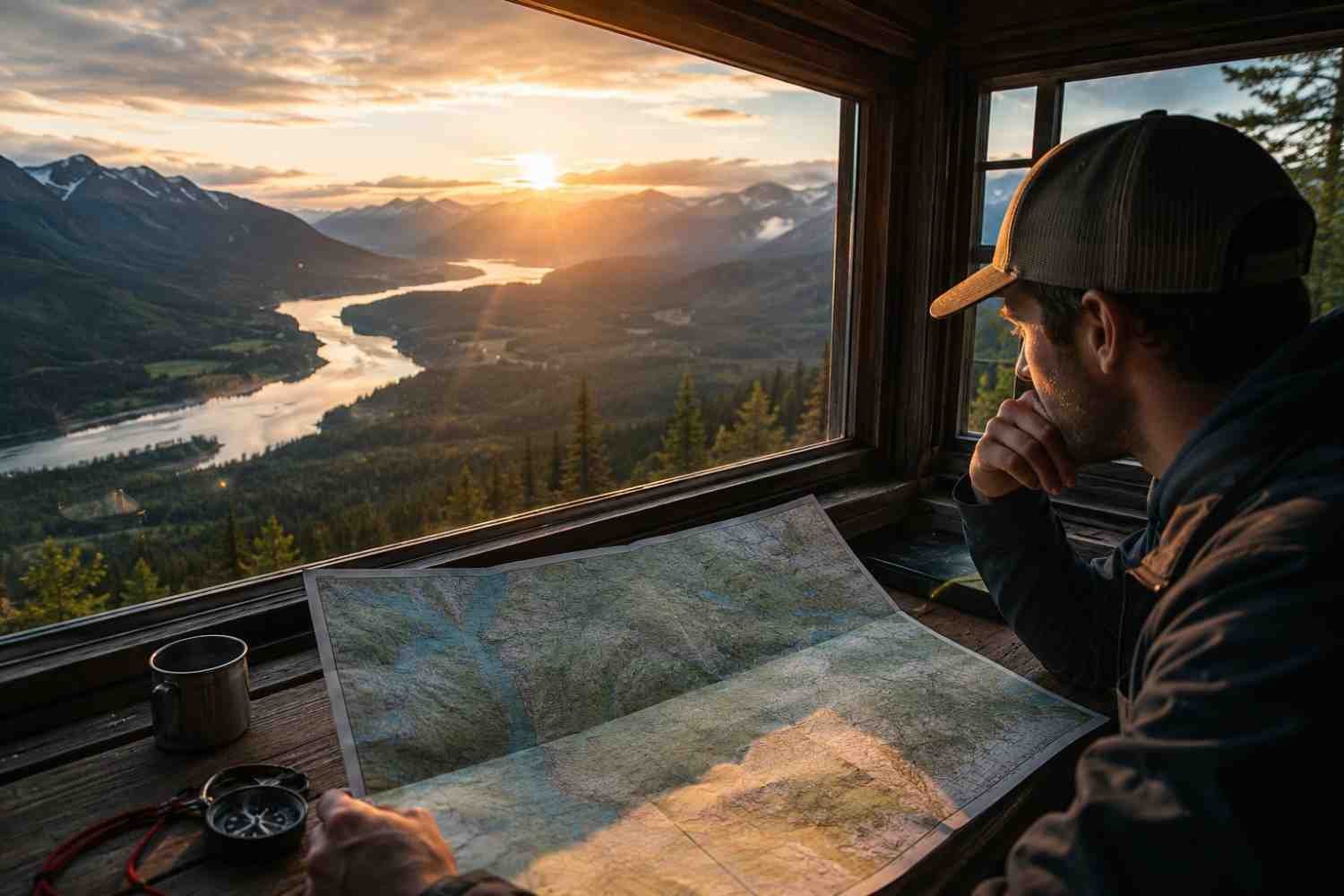
One of the biggest advantages of traditional maps is perspective.
Understanding Terrain and Distance
A navigation app usually displays only the information necessary to reach a destination. While that works for basic travel, it often limits understanding of the surrounding area.
Maps reveal terrain, elevation changes, waterways, transportation networks, and geographic features that digital navigation sometimes minimizes.
For hikers, cyclists, and outdoor enthusiasts, topographic maps can help identify steep terrain, potential obstacles, and alternative routes before a journey begins.
This broader view helps travelers make informed decisions rather than relying entirely on automated suggestions.
Getting the Bigger Geographic Picture
Maps also provide context that digital navigation rarely emphasizes.
Looking at a map allows people to understand how cities, regions, and countries relate to one another. Distances feel more meaningful when viewed geographically rather than as a travel time estimate on a screen.
This broader perspective is one reason map reading remains an important educational tool in schools and universities.
Why Travelers and Outdoor Enthusiasts Still Learn Map Reading
Despite advances in technology, many experienced travelers continue developing map-reading skills.
Route Planning Before the Journey
Planning a trip with a map often reveals options that navigation apps may not immediately highlight. Travelers can compare routes, identify nearby attractions, and understand how different regions connect.
Maps encourage exploration because they present possibilities rather than simply directing users along a single path.
Navigating When Signals Disappear
Outdoor environments remain one of the strongest arguments for learning map reading.
Remote hiking trails, backcountry camping areas, and wilderness destinations often have limited connectivity. In these situations, traditional navigation skills can become essential.
Even travelers who primarily use GPS frequently carry physical maps as a backup because reliability matters when conditions become unpredictable.
Maps Help Us Understand the World Beyond Navigation
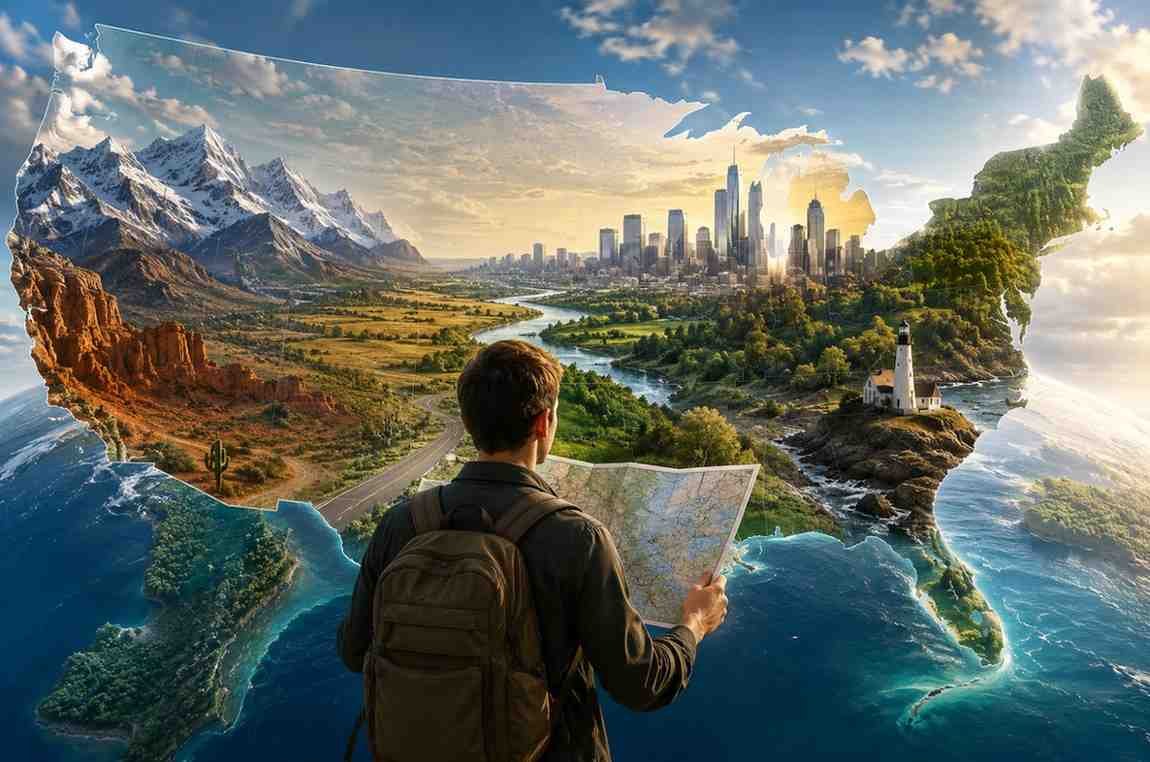
Map reading is not only about finding destinations. It is also about understanding geography on a deeper level.
Political boundaries, migration patterns, transportation corridors, and environmental features become easier to understand when viewed through maps. Even topics such as some longest international borders become more meaningful when people can visualize how countries connect and interact across large geographic regions.
Maps help explain trade routes, population distribution, cultural regions, and historical developments. They transform geography from a collection of facts into a visual story about how the world is organized.
That ability to interpret relationships between places remains valuable regardless of how advanced navigation technology becomes.
FAQs: Why Map Reading Skills Still Matter in a GPS-Driven World
1. Why are map-reading skills still important today?
They provide navigation independence, improve spatial awareness, and help people understand geographic relationships beyond simple directions.
2. Can GPS completely replace map reading?
GPS is convenient, but it depends on technology. Map reading remains valuable when devices fail or signals become unreliable.
3. Do map-reading skills improve cognitive abilities?
Yes. Active navigation engages the brain and supports spatial memory, route planning, and environmental awareness.
4. Who benefits most from learning map reading?
Travelers, hikers, students, outdoor enthusiasts, and anyone interested in geography can benefit from stronger map-reading skills.
The World Looks Different When You Know How to Read It
Technology has made navigation faster, but speed is not the same as understanding. Following a digital route may get you to a destination, yet it often reveals very little about the places you pass along the way. Map reading encourages curiosity. It helps people understand landscapes, recognize patterns, and develop a stronger connection to their surroundings. In a world increasingly guided by algorithms, that broader perspective remains surprisingly valuable.
Knowing where you are is useful. Understanding how everything connects is even better.