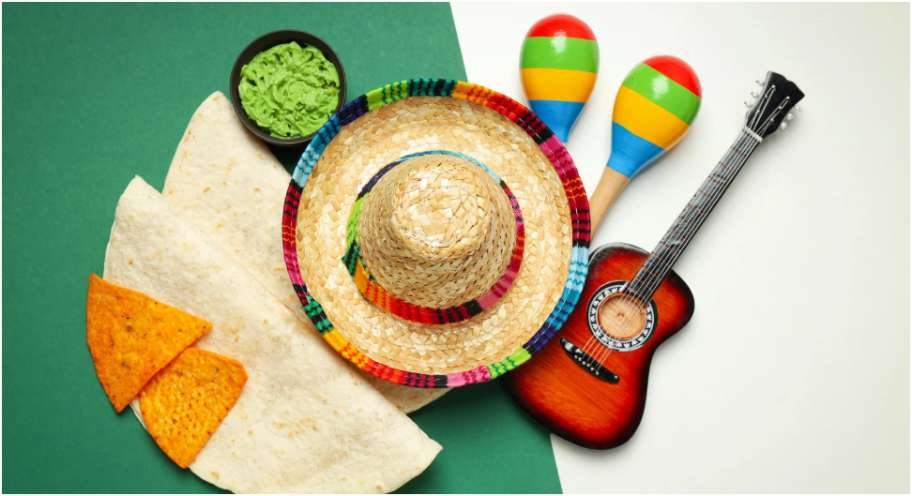
Some dishes do more than fill a plate. They carry a flag, a family story, a migration route, and sometimes a whole country’s memory. That is why foods that represent national identity matter so much to travelers, food lovers, and anyone curious about culture.
I started noticing this more in the US, where one city block can hold Korean barbecue, Mexican tacos, Italian pizza, Japanese sushi, and British-style fish and chips. These meals are not just “international food.” They are edible symbols. Each one tells us how people farmed, survived, celebrated, adapted, and stayed connected to home.
Why Some Foods Become National Symbols
National food is rarely chosen by accident. A dish becomes meaningful when people use it to express belonging. It may come from farms, street stalls, religious rituals, family kitchens, royal courts, or working-class neighborhoods.
The strongest foods that represent national identity usually share four signals: memory, method, migration, and meaning. I call this the four-signal plate test.
The Four-Signal Plate Test
Memory means the dish reminds people of home. Method means the cooking process carries traditional knowledge. Migration means the food travels with people and keeps identity alive abroad. Meaning means the dish stands for something bigger than taste.
Kimchi passes this test because it is made through shared seasonal labor. Pizza passes because it is tied to place, technique, and Italian pride. Mole passes because it blends indigenous and Spanish influences into one deeply layered sauce. Feijoada passes because it reflects Brazil’s complex social and cultural history.
A national dish does not need to be fancy. In fact, many began as everyday food. That is what makes them powerful. They come from real life, not polished marketing.
Iconic Foods That Represent National Identity
Kimchi in South Korea
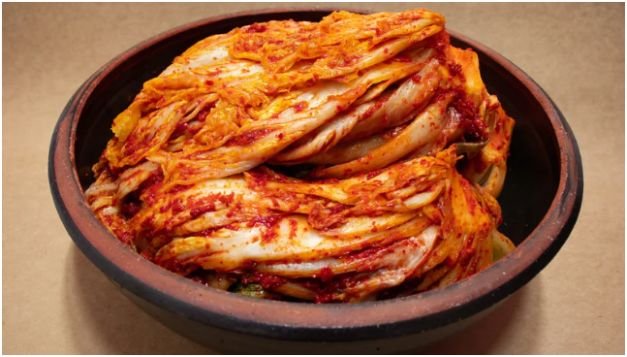
Kimchi is one of the clearest examples of food as identity. It is spicy, fermented, practical, and deeply social. For many Korean families, kimchi is not just a side dish. It is a memory of winter preparation, shared labor, and family continuity.
The annual kimjang tradition, where families and communities prepare large amounts of kimchi, shows how food can hold people together. The dish reflects Korea’s climate, agricultural patterns, fermentation knowledge, and communal values.
When I see kimchi served in a US restaurant, it still feels bigger than the menu. It carries preservation, patience, and pride in one small bowl.
Sushi in Japan
Sushi represents Japan through precision, freshness, restraint, and seasonality. It shows how a country’s food can reflect its design sense. A good piece of sushi is clean, balanced, and intentional.
Sushi also connects to broader Japanese food values found in washoku, the traditional dietary culture of Japan. Washoku emphasizes seasonal ingredients, balance, presentation, and respect for natural flavors.
That is why sushi became more than a global food trend. It became a symbol of Japanese aesthetics. The rice, fish, knife work, and presentation all communicate discipline without shouting.
Pizza and Pasta in Italy
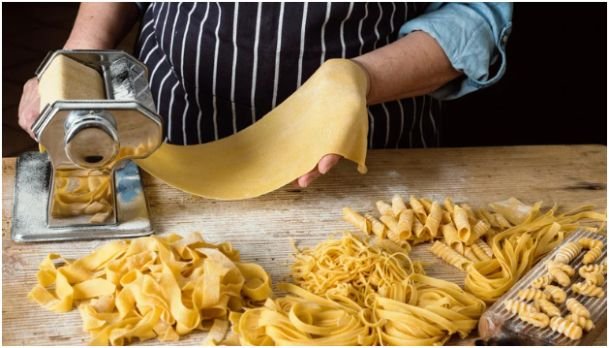
Pizza and pasta may be global comfort foods now, but they still carry Italian identity with force. Pizza Margherita is especially symbolic because its red tomato, white mozzarella, and green basil visually echo the Italian flag.
Pasta tells a different story. It reflects regional identity inside national identity. Italy is not one flat food culture. It is a mosaic of shapes, sauces, grains, cheeses, and local habits.
This is why Italian food has such emotional staying power in the US. Immigrant families carried recipes across the Atlantic, then adapted them to new ingredients and new lives. The result was not a loss of identity. It was identity with an accent.
Tacos and Mole in Mexico
Tacos are flexible, regional, and deeply democratic. They can be filled with grilled meat, fish, beans, mushrooms, cactus, or slow-cooked stews. A taco changes by region, but the tortilla keeps the structure rooted.
Mole adds another layer. It is not just a sauce. It is a record of blending. Many moles combine chiles, spices, seeds, nuts, fruit, chocolate, and long cooking methods. The result reflects indigenous knowledge, colonial influence, and regional creativity.
Traditional Mexican cuisine is one of the strongest examples of national food as living heritage. It includes farming, ritual, technique, community, and celebration. That makes Mexico a powerful case study for foods that represent national identity.
Feijoada in Brazil
Feijoada is Brazil’s rich black bean and meat stew. It is often served with rice, collard greens, farofa, and orange slices. The dish feels slow, social, and generous.
Its origin story is sometimes simplified, so it deserves care. Feijoada is commonly linked to Afro-Brazilian heritage and colonial-era foodways, but historians debate the idea that it came from one single source. That debate actually makes the dish more interesting.
Brazil itself is layered, mixed, regional, and rhythmic. Feijoada works as a national symbol because it feels like a gathering dish. It asks people to sit down, slow down, and share.
Fish and Chips in the United Kingdom
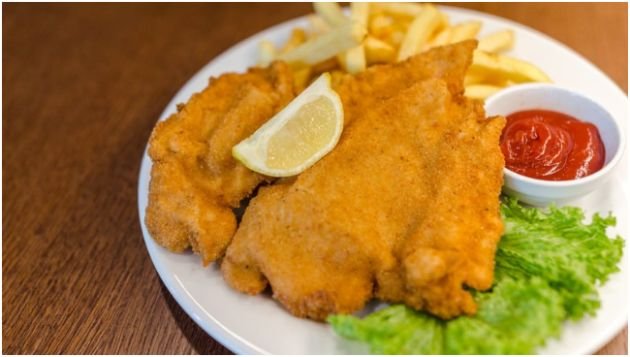
Fish and chips became a British symbol because it was affordable, filling, and tied to working-class life. It was not elite food. It was food for busy streets, cold evenings, factory workers, families, and coastal towns.
During wartime Britain, rationing and food shortages made simple comfort food even more meaningful. Fish and chips became connected with morale, routine, and national endurance.
This is the quiet power of everyday dishes. They do not need royal approval to become national icons. They only need to show up when people need them most.
Why National Food Matters Beyond the Plate

Food Preserves Diaspora Identity
For immigrant families, food often becomes the strongest connection to home. Language may fade. Clothing may change. Recipes often survive.
In the US, this is easy to see. A child may grow up in Los Angeles, Chicago, Houston, or Queens, but still know their grandmother’s mole, kimchi, pasta sauce, curry, or stew. The dish becomes a bridge between generations.
That is why foods that represent national identity are not frozen in the past. They keep moving. They change in new countries while still carrying old meanings.
Food Works as Soft Power
Governments also understand the power of food. Gastrodiplomacy uses cuisine to shape how other countries see a nation. Thailand’s Global Thai program is a famous example. It supported the spread of Thai restaurants abroad to increase cultural visibility, tourism, and trade.
This matters because people often meet a country through food before they meet its politics, history, or language. A plate of pad Thai, sushi, tacos, or pizza can become the first handshake.
Food makes culture approachable. It softens borders without erasing them.
Food Turns Survival Into Pride
Many national dishes began with necessity. People cooked with what they had. They preserved vegetables for winter, stretched meat with beans, used cheap cuts, fermented grains, or made street food from basic staples.
Over time, survival food became pride food. That shift is important. It shows that national identity is not only made by palaces, flags, or monuments. It is also made by kitchens.
The same idea appears in holiday meals too. If you compare everyday national dishes with foods eaten during Christmas around the world, you can see how celebration foods and identity foods often overlap.
How to Read a Country Through Its Food
When I want to understand a dish, I ask four simple questions.
What local ingredients shaped it? Who traditionally cooked it? When is it eaten? What emotion does it carry?
Those questions reveal more than a recipe. They show geography, labor, class, religion, climate, trade, and migration. Sushi points to seas and seasonality. Kimchi points to winter storage and community. Tacos point to maize culture and regional creativity. Fish and chips point to working-class endurance.
This is why the best foods that represent national identity are never just “popular dishes.” They are cultural shortcuts. They help outsiders understand a country faster, and they help insiders remember who they are.
FAQs About National Identity and Food
1. What are foods that represent national identity?
They are dishes strongly linked to a country’s history, culture, geography, and shared pride.
2. Why do countries have national dishes?
National dishes give people a simple, emotional way to express heritage, belonging, and cultural memory.
3. Can one country have more than one national food?
Yes. Many countries have several iconic dishes because regions, migrations, and traditions shape food differently.
4. How does food preserve culture for immigrants?
Traditional meals help families pass language, memory, rituals, and identity to the next generation.
The Plate Has a Passport
Food is one of the sassiest storytellers on earth. It does not ask for a lecture hall, museum ticket, or history textbook. It just lands on the table and says, “Taste this, and you will understand something about where I come from.”
That is the real magic of foods that represent national identity. They carry pride without needing a speech. The next time you eat a dish from another country, look past the flavor first. Ask what it preserved, who carried it, and why people still protect it. That one question can turn dinner into cultural discovery.