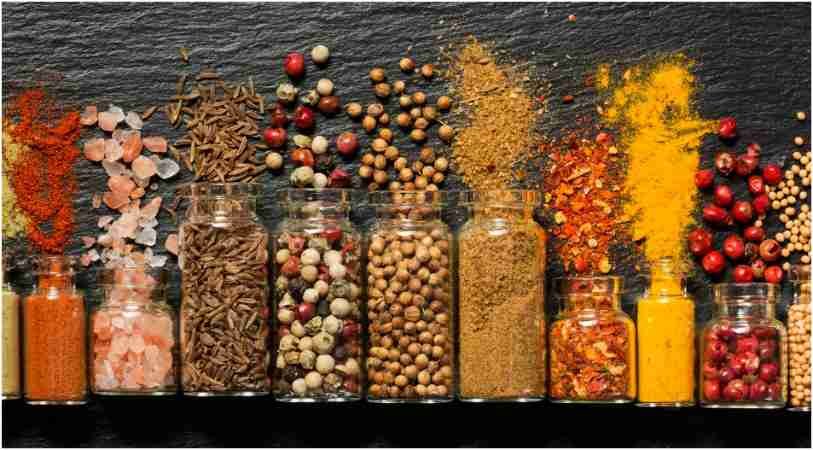
I used to think flavor belonged to a place. Then I learned how spices shaped world cuisines, and that idea fell apart fast. A pinch of pepper, cinnamon, cumin, clove, or chili can carry centuries of trade, migration, empire, survival, and memory.
Spices did not simply make food taste better. They helped people preserve meat, survive warm climates, create trade networks, and build regional identities. They also changed how Americans eat today, from barbecue rubs to pumpkin pie spice, hot sauce, curry powder, taco seasoning, and chai.
Spice Was Never Just Flavor
Spices became powerful because they solved real problems. Before refrigeration, food spoiled quickly. Salt helped, but spices added another layer of protection and taste.
Black pepper, cloves, cinnamon, cumin, oregano, and thyme have been studied for antimicrobial properties. That does not mean ancient cooks understood modern food science. It does mean they noticed results. Food lasted longer, smelled better, and tasted richer.
That practical habit slowly became culture. What began as protection became preference. Families passed down spice habits because those flavors felt safe, familiar, and comforting.
My Simple Kitchen Test for Understanding Spice History
When I want to explain how spices shaped world cuisines, I use one basic meal: rice, onions, oil, and a protein or vegetable.
If I add cumin, coriander, turmeric, cardamom, and black pepper, the dish leans toward South Asian comfort. If I use paprika, garlic, caraway, and marjoram, it feels closer to Central Europe. Star anise, fennel, cinnamon, cloves, and Sichuan pepper point toward Chinese five-spice. Allspice, thyme, chili, and nutmeg suggest the Caribbean.
The base barely changes. The spice map changes everything.
That is the original lesson: spices are portable geography. They let a kitchen carry climate, trade, religion, farming, migration, and memory in dry, tiny forms.
Preservation Turned Spices Into Everyday Culture
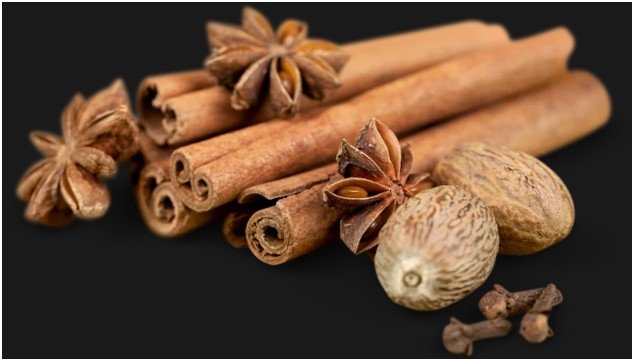
Food preservation shaped taste long before modern appliances. In hot and humid regions, spoilage was a daily threat. Spices helped mask unwanted odors, slow microbial growth, and make stored foods more appealing.
This helps explain why many tropical and subtropical cuisines developed bold spice profiles. Indian curries, Thai pastes, Ethiopian berbere dishes, Jamaican jerk seasoning, and North African tagines all show how heat, storage, and flavor met in practical ways.
Why Bold Spice Profiles Grew in Warmer Regions
Warm climates did not automatically create spicy food. The story is more complex. People used what grew nearby, what traders brought, and what local health habits rewarded.
Over time, those choices became identity. A family did not say, “We are preserving food with antimicrobial compounds.” They said, “This is how our grandmother cooked.”
That is how survival becomes tradition.
Trade Routes Moved Flavor Faster Than Borders
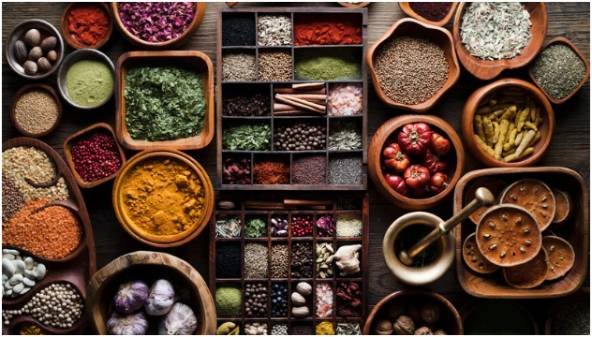
Spices were light, valuable, and easy to transport. That made them perfect for long-distance trade. A ship could carry huge value in a small cargo space.
The demand for pepper, cinnamon, nutmeg, cloves, ginger, and cardamom connected India, Southeast Asia, the Middle East, Africa, and Europe. These routes moved more than ingredients. They moved stories, techniques, religious customs, and cooking styles.
The Maritime Spice Route Changed Global Cooking
The Maritime Spice Route linked Southeast Asia and India with Arab, Venetian, Portuguese, Dutch, and British traders. Black pepper became so valuable that Europeans called it “black gold.”
Nutmeg and cloves from the Spice Islands became symbols of wealth and power. European empires fought to control them. That fight shaped ports, colonies, and global commerce.
For cooks, the impact was permanent. Western kitchens absorbed cinnamon, nutmeg, pepper, and cloves into breads, meats, sauces, desserts, and holiday foods.
The Silk Road Was a Culinary Highway
The Silk Road also changed food. It connected East Asia, Central Asia, the Middle East, and the Mediterranean. Ginger, cumin, star anise, saffron, and pepper moved through markets and caravan cities.
This is why flavors often overlap across distant regions. Cumin appears in Indian, Middle Eastern, Mexican, and Mediterranean cooking. Cinnamon can taste sweet in an American pie, warm in a Moroccan stew, and savory in a Middle Eastern rice dish.
The road changed the recipe before the recipe had a printed page.
Chili Peppers Proved Cuisine Can Change Quickly
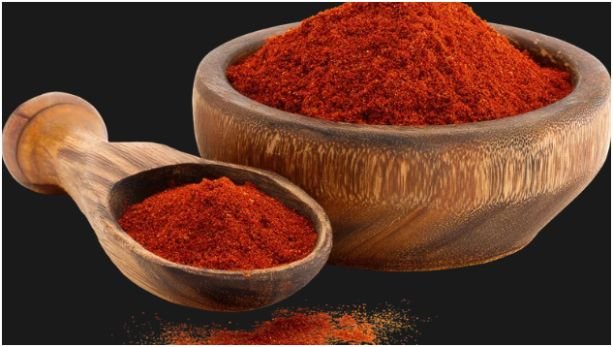
Chili peppers give the clearest example of fast culinary transformation. They came from the Americas, then spread across Europe, Africa, and Asia after the Columbian Exchange.
Before chili peppers arrived, many cuisines used ginger, mustard, horseradish, long pepper, and black pepper for heat. Then chili entered the scene and rewrote the flavor script.
Indian, Thai, Korean, Sichuan, West African, Mexican, and Caribbean cuisines all changed after chili became local. Today, many people assume chili has always belonged to these foods. History says otherwise.
Before Chili, Heat Had a Different Language
Imagine Korean kimchi without gochugaru, Thai curry without red chilies, or Indian vindaloo without chili heat. Those dishes would still exist in some form, but their personalities would feel different.
Chili peppers spread quickly because they were easy to grow and powerful in small amounts. They also adapted well to local soils and cooking traditions.
That is why chili became more than an imported ingredient. It became local memory.
Colonial Kitchens Created Complicated Fusion Foods

Spices also tell uncomfortable stories. Global cuisine did not spread only through friendly trade. Colonization, slavery, forced labor, and empire shaped many food traditions.
European powers carried ingredients and cooking methods into Asian, African, Caribbean, and American regions. Local cooks adapted them using available spices, religious rules, and community taste.
Vindaloo, Curry, and the Taste of Cross-Pollination
Goan vindaloo came from Portuguese influence, but local Indian cooks transformed it with vinegar, garlic, spices, and eventually chili. Anglo-Indian curry developed through British colonial contact with Indian cooking.
These dishes are not simple “fusion.” They are records of power, adaptation, and creativity.
That is why food history needs care. Spices made food exciting, but they also moved through systems that were often violent and unequal.
Spice Blends Became Regional Signatures
Once spices settled into local kitchens, people blended them into recognizable formulas. These blends became shortcuts to cultural identity.
Garam masala often brings together cumin, coriander, cardamom, cinnamon, cloves, and black pepper. Chinese five-spice balances sweet, bitter, sour, salty, and savory notes through ingredients like star anise, cloves, cinnamon, Sichuan pepper, and fennel. Ras el hanout can contain many spices, often including turmeric, nutmeg, allspice, ginger, and pepper.
Garam Masala, Chinese Five-Spice, and Ras el Hanout
These blends do not taste alike because they answer different culinary questions.
Garam masala adds warmth and depth. Chinese five-spice creates balance and aromatic lift. Ras el hanout builds layered complexity for stews, meats, vegetables, and couscous.
This is how spices shaped world cuisines at the deepest level. They created flavor grammar. Once a culture developed that grammar, cooks could improvise without losing identity.
That same idea appears in grains too, especially when studying why rice is important in many cultures. Rice often carries the meal, while spices tell the story around it.
Why Spices Still Shape American Kitchens
American food is full of spice history. Barbecue rubs mix Indigenous, African, European, and Caribbean influences. Cajun and Creole seasoning reflect French, Spanish, African, and Gulf Coast traditions. Pumpkin pie spice depends on cinnamon, ginger, nutmeg, and cloves that once moved through global trade.
Even a grocery-store taco seasoning packet carries migration history. Chili powder, cumin, garlic, oregano, and paprika show how Mexican, Spanish, Indigenous, and American tastes overlap.
The Spice Rack Is a World Map in Miniature
Open an American spice cabinet and you will see old trade routes hiding in plain sight.
Black pepper may point to India. Cinnamon may point to Sri Lanka or Southeast Asia. Cumin may connect the Mediterranean, Middle East, and South Asia. Chili powder points back to the Americas and forward into nearly every spicy cuisine on earth.
That is why spices still matter. They remind us that no cuisine is frozen. Food travels, adapts, and becomes personal.
FAQs About How Spices Shaped World Cuisines
1. How did spices change global food history?
Spices changed food history by improving preservation, driving trade, shaping empires, and creating regional flavor identities.
2. Why were spices so valuable in ancient trade?
Spices were valuable because they were rare, lightweight, flavorful, useful for preservation, and difficult to source directly.
3. Which spice changed world cuisine the most?
Chili pepper may be the strongest example because it transformed Asian, African, European, and American cuisines after the Columbian Exchange.
4. What is the simplest way to understand how spices shaped world cuisines?
Compare one plain dish with different spice blends; the base stays similar, but the cultural identity changes completely.
The Spice Rack Has Receipts
I no longer see spices as background ingredients. I see them as tiny witnesses. They watched ships cross oceans, caravans cross deserts, empires rise, families adapt, and recipes become tradition.
The next time you season rice, soup, meat, vegetables, or sauce, pause before the lid snaps shut. That pinch has probably traveled farther than you have.
Try this next: choose one spice in your kitchen, trace where it came from, then cook one dish from that region. Dinner gets a lot more interesting when history shows up hungry.