A geography quiz recently led to a surprising discovery. While most people know where countries are located, far fewer know why they have their names. Exploring countries named after people reveals an incredible mix of explorers, monarchs, saints, and legendary figures whose legacies continue to live on through the names of modern nations.
Why Countries Named After People Are So Interesting
Understanding countries named after people makes geography far more exciting than memorizing capitals and borders. Every nation has a story, and some stories begin with a real person whose influence was so powerful that an entire country carried their name forward through history.
These names connect political revolutions, religious traditions, exploration journeys, and ancient legends. They also offer a fun way to learn world history while discovering how people shaped the modern map.
Political Leaders And Monarchs
The following nations were named after rulers, royal families, or influential political leaders whose impact changed the course of history.
Bolivia
Bolivia honors Simón Bolívar, the celebrated South American revolutionary who helped liberate several nations from Spanish colonial rule. The country adopted his name shortly after gaining independence in 1825.
Today, Bolivia is known for its diverse landscapes, including the Andes Mountains, Lake Titicaca, and the vast Salar de Uyuni salt flats.
Philippines
The Philippines received its name in 1542 when Spanish explorer Ruy López de Villalobos named the islands after King Philip II of Spain. The name reflected Spain’s growing influence in the region during the colonial era.
Modern Philippines is an archipelago of more than 7,000 islands and remains one of Southeast Asia’s most culturally diverse nations.
Eswatini
Eswatini derives its name from King Mswati II, a nineteenth-century ruler credited with expanding and strengthening the Swazi Kingdom. The country officially changed its name from Swaziland to Eswatini in 2018.
The name reflects national identity and honors one of the kingdom’s most respected historical leaders.
Saudi Arabia
Saudi Arabia is named after the House of Saud, the ruling royal dynasty that unified much of the Arabian Peninsula. The country’s name recognizes the family’s central role in its formation.
Beyond its political significance, Saudi Arabia is home to Islam’s two holiest cities and holds immense cultural importance across the Muslim world.
Liechtenstein
Liechtenstein takes its name from the House of Liechtenstein. Prince Anton Florian played a key role in acquiring and unifying territories that eventually formed the principality.
Despite its small size, Liechtenstein is one of Europe’s wealthiest countries and maintains a strong financial sector.
Uzbekistan
Uzbekistan traces its name to Öz Beg Khan, a fourteenth-century ruler of the Golden Horde. His leadership helped spread Islamic traditions throughout Central Asia. The nation remains famous for Silk Road cities such as Samarkand and Bukhara.
Mozambique
Mozambique is believed to be named after Mussa Bin Bique, an influential Arab trader and local ruler encountered by Portuguese explorers. The country’s long Indian Ocean coastline has made it an important trading center for centuries.
Explorers Who Left Their Mark
Some countries honor navigators and explorers whose journeys transformed global history.
Colombia
Colombia was named after Christopher Columbus, whose voyages opened new connections between Europe and the Americas. Although Columbus never visited present-day Colombia, his influence inspired the nation’s name.
Today, Colombia is recognized for its biodiversity, coffee production, and vibrant cultural heritage.
United States Of America
The name America comes from Amerigo Vespucci, the Italian explorer who argued that the newly discovered lands were separate continents rather than part of Asia.
His observations helped reshape geographical understanding and influenced one of the most recognizable country names in history.
Marshall Islands
The Marshall Islands were named after British Captain John Marshall, who explored and mapped parts of the Pacific archipelago during the eighteenth century.
The island nation is now known for its coral atolls and rich marine ecosystems.
Kiribati
Kiribati represents the local pronunciation of “Gilberts,” which originated from British navigator Thomas Gilbert. His voyages contributed to European knowledge of the Pacific region. The nation consists of scattered islands spread across a vast area of the Pacific Ocean.
Saints And Sacred Figures
Several countries derive their names from religious figures whose influence extended far beyond their lifetimes.
Dominican Republic
The Dominican Republic honors Saint Dominic, founder of the Dominican Order. Religious institutions established during Spanish rule helped popularize the name. Today, the country is one of the Caribbean’s leading tourism destinations.
El Salvador
El Salvador translates to “The Savior” and refers directly to Jesus Christ. The name reflects the deep religious traditions that shaped Spanish colonial settlements. It remains one of Central America’s most historically significant nations.
Saint Lucia
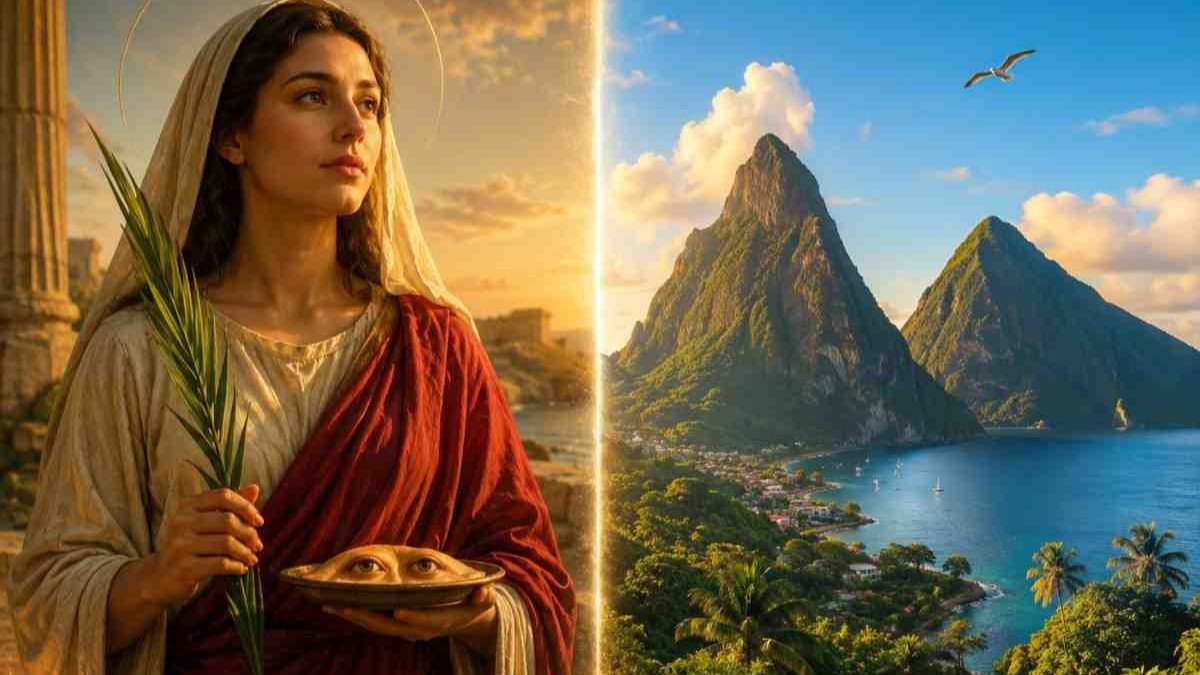
Saint Lucia is named after Saint Lucy of Syracuse, making it the only sovereign nation named after a historical woman. Its volcanic landscapes and twin Piton peaks attract visitors from around the world.
San Marino
San Marino honors Saint Marinus, a Christian stonemason who founded a religious community on Mount Titano in 301 AD. The country proudly claims to be the world’s oldest surviving republic.
Saint Kitts And Nevis
The Saint Kitts portion of the country’s name honors Saint Christopher, the patron saint of travelers. The twin-island nation combines historical charm with tropical beauty.
Saint Vincent And The Grenadines
Christopher Columbus named Saint Vincent after Saint Vincent of Saragossa because he first sighted the island on the saint’s feast day. The country is known for volcanic scenery and Caribbean culture.
São Tomé And Príncipe
São Tomé was named after Saint Thomas because Portuguese explorers discovered the island on his feast day. The island nation remains one of Africa’s smallest sovereign states.
Historical Nobles And Officials
Not all namesakes were kings or saints. Some were influential nobles and government officials.
Mauritius
Dutch sailors named Mauritius after Prince Maurice of Nassau in 1598. The name reflected Dutch influence during the age of exploration. Today, Mauritius is famous for its beaches, multicultural society, and strong economy.
Seychelles
Seychelles honors Jean Moreau de Séchelles, a French finance minister who served under King Louis XV. The island nation is celebrated for its stunning natural beauty and rare wildlife.
Azerbaijan
The name Azerbaijan evolved from Atropates, a Persian nobleman who established an independent kingdom following Alexander the Great’s conquests. Its rich history links ancient Persia with modern Eurasia.
Legends And Biblical Connections
Some nations owe their names to legendary ancestors or figures from religious traditions.
Israel
Israel is named after the biblical patriarch Jacob, who received the name Israel according to scripture. The name carries profound religious and historical significance.
Solomon Islands
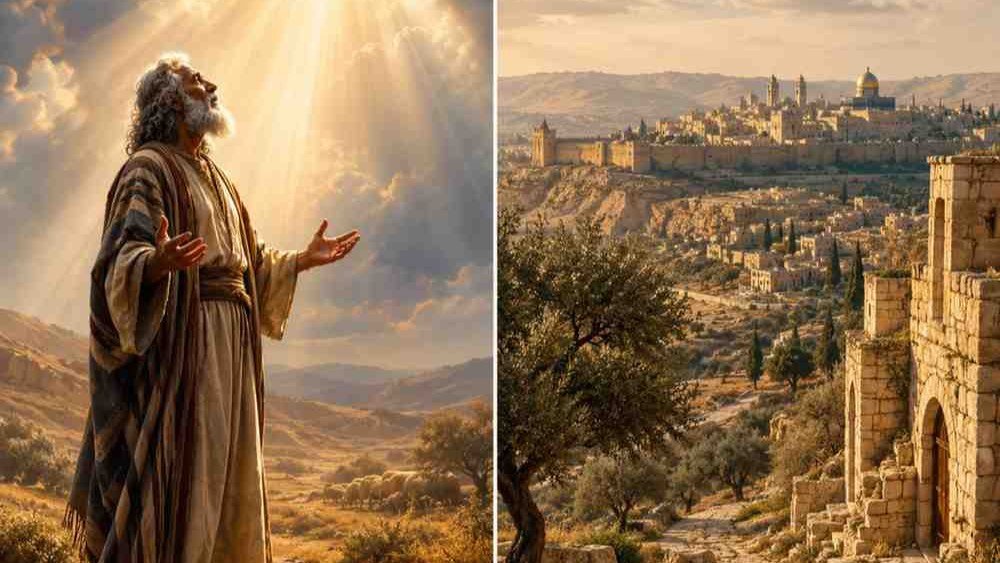
Spanish explorers associated the islands with the biblical King Solomon, believing they had discovered lands rich in treasure. The name has endured for centuries despite the legend behind it.
India
India’s traditional name Bharat comes from King Bharata, a legendary ruler celebrated in ancient Indian literature. The story remains deeply woven into the country’s cultural identity.
China
Many historians connect the name China to Emperor Qin Shi Huang, the ruler who unified the country in 221 BC. His legacy helped shape one of the world’s oldest continuous civilizations.
Learn Country Facts Like A Pro
Exploring countries named after people becomes easier when you follow a simple approach. Start by identifying the individual behind the country’s name. Next, learn what made that person historically important. Then connect their story to the nation’s culture, geography, and modern identity.
This method turns country facts into memorable stories rather than isolated pieces of information. It is especially useful for students, travelers, quiz enthusiasts, and content creators who want to understand the world more deeply.
Frequently Asked Questions
1. What country is named after a person?
Several examples exist, including Bolivia, Colombia, Saudi Arabia, and Saint Lucia. Each country was named after a historical figure, religious personality, royal family, or influential leader whose legacy became part of national identity.
2. Which country has the best quality of life?
Quality-of-life rankings change each year, but countries such as Switzerland, Denmark, Norway, and Finland consistently perform well due to strong healthcare, education, safety, and overall living standards.
3. How many countries in the world are named after people?
Researchers generally identify around two dozen sovereign nations whose names originate from historical individuals, saints, monarchs, explorers, dynasties, or legendary ancestors connected to their national history.
4. Which country is vanished?
Yugoslavia is one of the best-known examples of a vanished country. It dissolved during the 1990s and eventually became several independent nations located in southeastern Europe.
Maps, Legends, And Countries Named After People
The stories behind countries named after people prove that a map is much more than borders and capitals. Every name reflects a journey through history, whether it honors a revolutionary leader, a revered saint, a famous explorer, or a legendary ancestor.
Understanding countries named after people adds depth to country facts and transforms ordinary geography into a collection of fascinating human stories that continue to shape our world today.