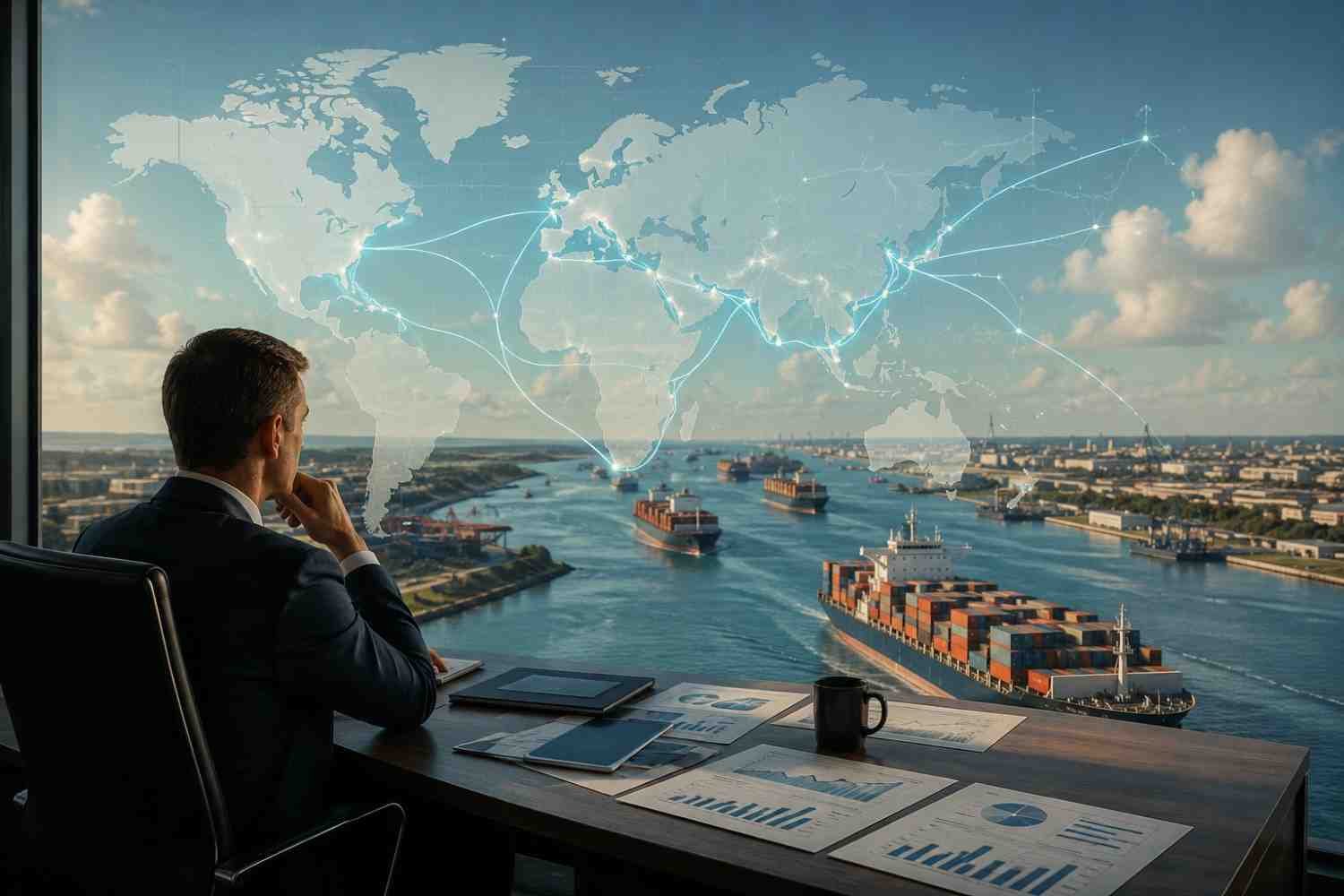
Most people rarely think about the journey that everyday products take before reaching store shelves. A smartphone may contain components from several countries. A pair of shoes might be manufactured on one continent and sold on another. Even basic household goods often travel thousands of miles before arriving at their destination.
Behind much of that movement lies a network of waterways that quietly keeps the global economy running. In fact, around 80% to 90% of global trade by volume moves by sea. While airplanes and trucks receive much of the attention, some of the world’s most important trade routes are actually narrow canals, rivers, and straits that connect continents, industries, and economies.
Why Waterways Matter More Than Ever?
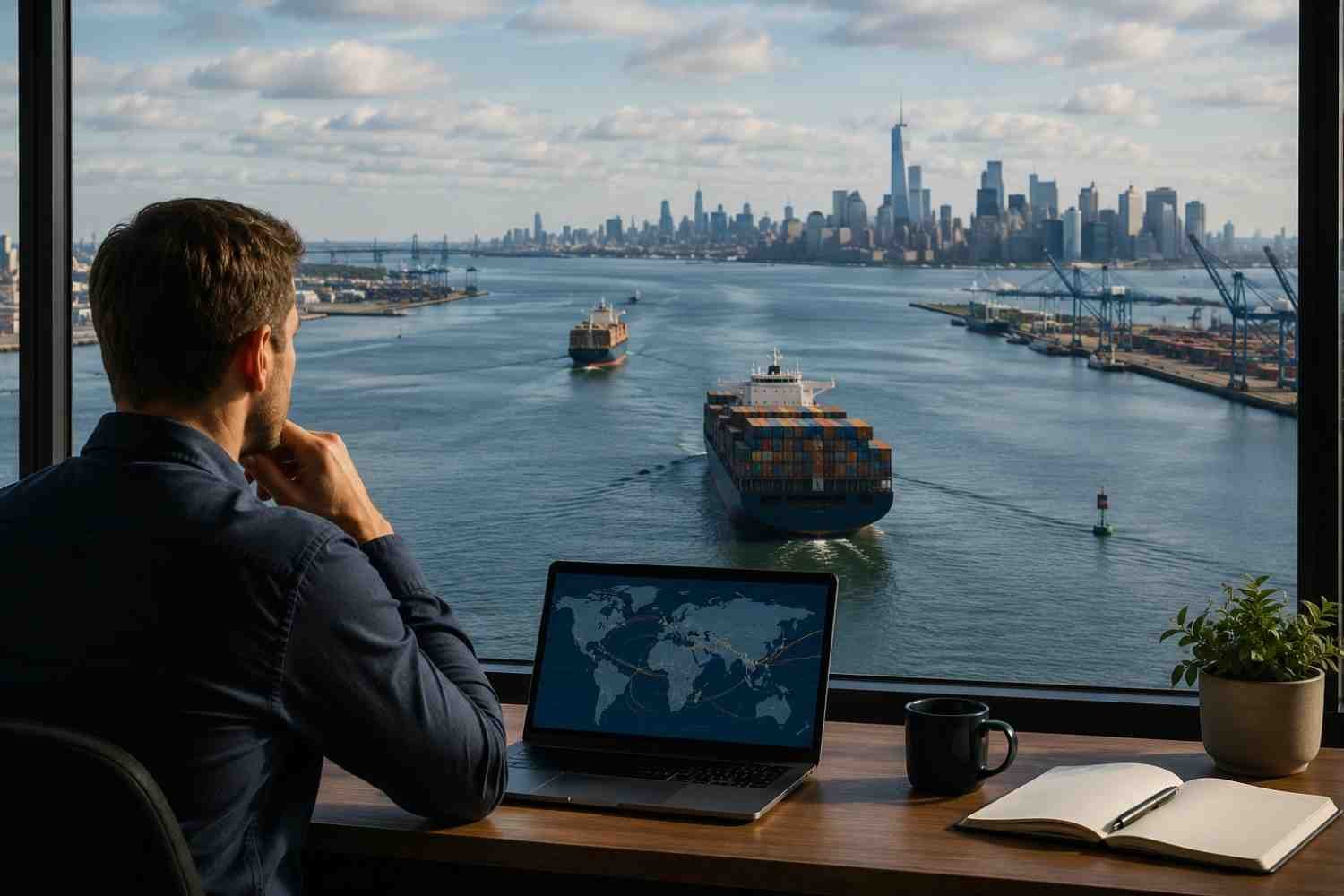
Geography has always influenced trade, but modern commerce depends on efficient transportation more than ever before. Manufacturers rely on just-in-time supply chains, retailers expect predictable deliveries, and energy markets depend on consistent shipping routes.
This is where the important waterways of the world play a critical role. They shorten travel distances, reduce transportation costs, and help move everything from consumer electronics to crude oil.
When one of these routes experiences disruption, the effects can spread far beyond the surrounding region. Shipping delays, rising transportation costs, and supply shortages can quickly become global concerns.
The Canals That Changed Global Shipping
Few engineering projects have transformed international trade as dramatically as the Panama Canal and the Suez Canal.
The Panama Canal connects the Atlantic and Pacific Oceans through Central America. Before its construction, ships traveling between the east and west coasts of the Americas had to navigate around South America’s Cape Horn, one of the most challenging maritime routes in the world. Today, the canal saves ships thousands of miles and significant fuel costs.
The Suez Canal serves a similar purpose on an even larger scale. Connecting the Mediterranean Sea to the Red Sea, it allows vessels to move between Europe and Asia without sailing around Africa’s Cape of Good Hope.
For global commerce, these shortcuts are invaluable. The Suez Canal alone handles a substantial share of international container traffic and facilitates the movement of goods worth hundreds of billions of dollars each year.
Without these waterways, shipping times would increase dramatically, making products more expensive and supply chains less efficient.
The Strategic Straits That Keep Energy Moving
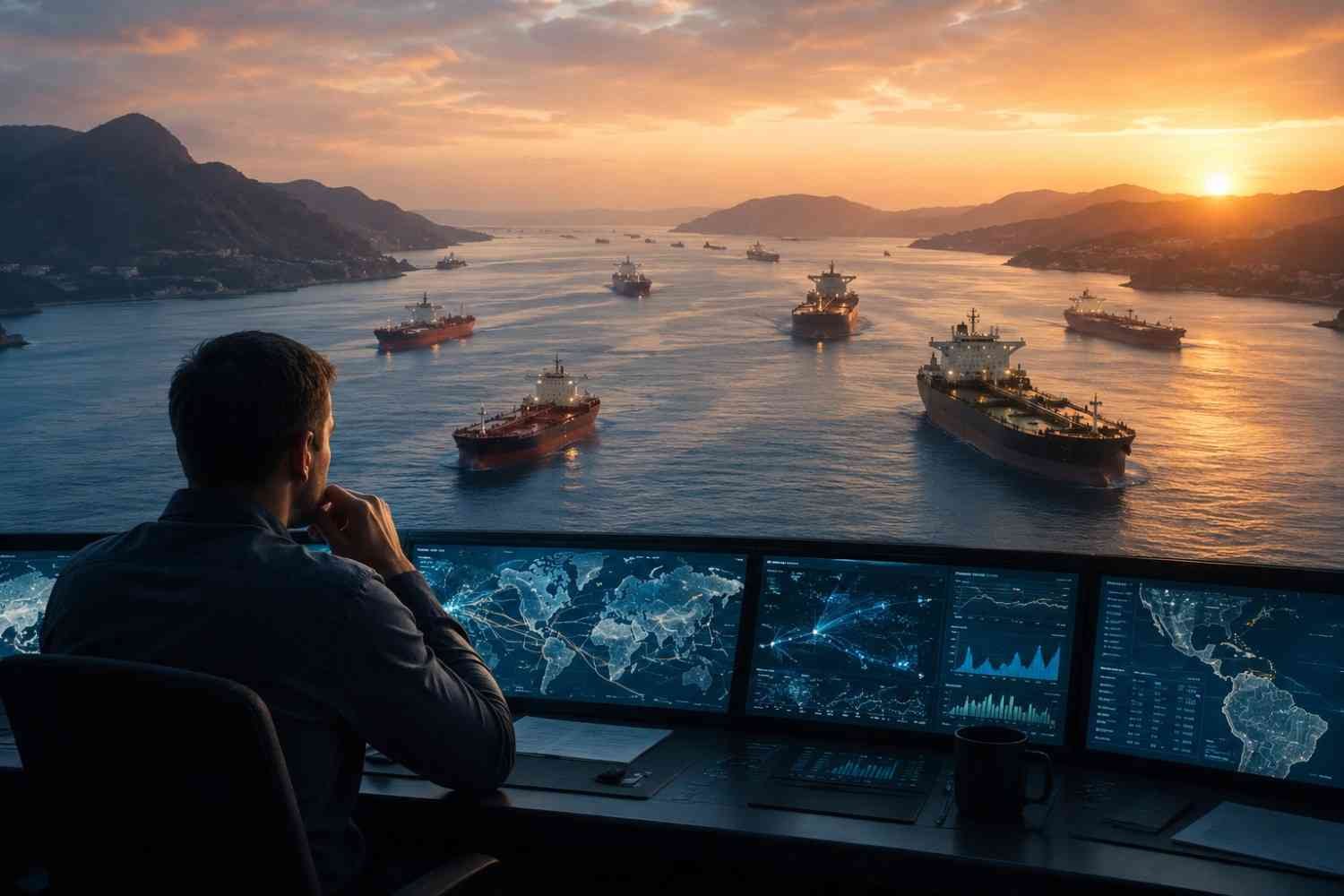
Not all important waterways of the world are man-made. Some of the most significant routes are naturally occurring chokepoints that carry enormous volumes of trade and energy resources.
The Strait of Hormuz is one of the most strategically important waterways on Earth. Located between Iran and Oman, it serves as the primary gateway for oil exports from the Persian Gulf. Roughly one-fifth of global petroleum consumption passes through this narrow corridor.
A disruption in the Strait of Hormuz can affect fuel prices, transportation costs, and energy markets across multiple continents.
The Strait of Malacca plays an equally important role. Positioned between Indonesia, Malaysia, and Singapore, it connects the Indian Ocean with the Pacific Ocean and serves as a major route for both energy shipments and manufactured goods.
Many of Asia’s largest economies depend on this waterway to import resources and export products. Because of its location, the Strait of Malacca has become one of the busiest shipping lanes in the world.
Rivers That Support Regional Economies
While canals and straits dominate international headlines, major rivers continue to serve as economic lifelines.
The Mississippi River supports agricultural and industrial transportation throughout North America. Grain, machinery, and raw materials move through an extensive inland waterway system that connects producers with domestic and international markets.
The Yangtze River performs a similar role in China. Stretching across major industrial regions, it supports manufacturing, trade, and economic development while connecting inland cities to global shipping networks.
These rivers demonstrate that waterways are not only international trade routes. They are also essential transportation corridors that strengthen national economies.
What Happens When a Waterway Becomes a Bottleneck?
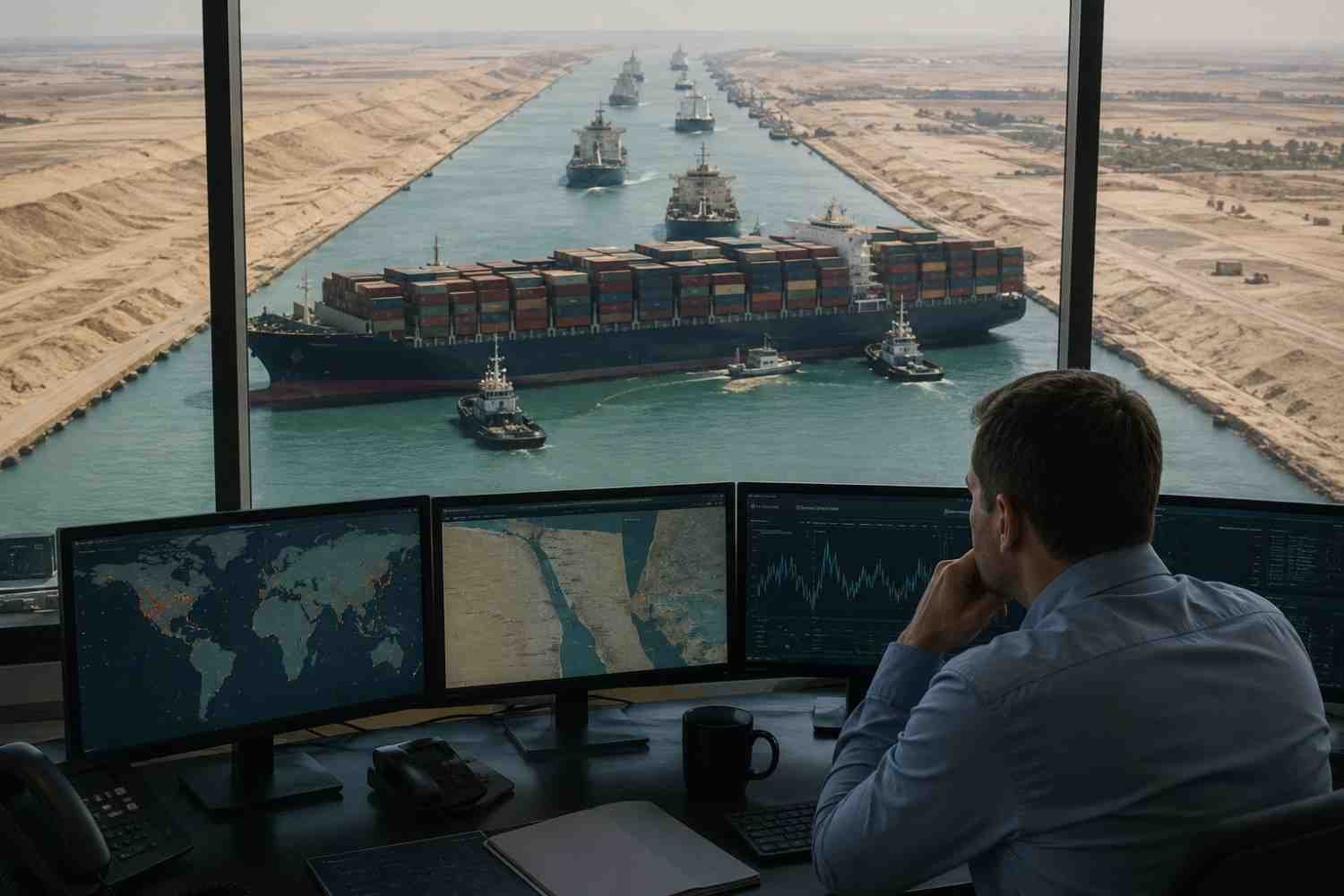
The importance of these routes becomes most visible when something goes wrong.
A blocked canal, geopolitical conflict, extreme weather event, or low water levels can quickly create supply chain disruptions. Ships may be forced to take longer routes around entire continents, increasing fuel consumption and delivery times.
Consumers often feel the impact through higher prices, inventory shortages, and shipping delays.
Recent disruptions have highlighted how interconnected the global economy has become. A single bottleneck can affect industries ranging from retail and manufacturing to energy and agriculture.
This is one reason governments, shipping companies, and logistics experts closely monitor major maritime chokepoints throughout the year.
Geography Lessons That Matter Beyond the Classroom
For many students, waterways first appear in geography textbooks. Yet their importance extends far beyond academic study.
Understanding the location and function of these routes helps explain how goods move around the world, why certain regions become economic hubs, and how geography influences global politics.
Developing strong map-reading skills can also make these connections easier to understand. When people can visualize shipping lanes, strategic straits, and trade corridors, they gain a clearer picture of how global commerce operates.
The relationship between geography and economics becomes much more meaningful when viewed through the lens of real-world transportation networks.
FAQs: Why the Most Important Waterways of the World Still Shape Global Trade
1. Which is the most important waterway in the world?
There is no single answer, but the Suez Canal, Panama Canal, Strait of Hormuz, and Strait of Malacca are among the most strategically significant.
2. Why are waterways important for trade?
They allow goods to move efficiently between regions while reducing transportation costs, fuel consumption, and travel time.
3. What is a maritime chokepoint?
A maritime chokepoint is a narrow water passage where large volumes of shipping traffic pass through a limited area.
4. How do waterway disruptions affect consumers?
Disruptions can increase shipping costs, delay deliveries, create shortages, and contribute to higher prices for everyday products.
The Routes Most People Never See Still Power the World
The global economy often feels digital and instant, yet much of it still depends on physical routes carved through oceans, rivers, canals, and straits. These waterways connect factories to markets, energy producers to consumers, and countries to one another. Their influence extends far beyond geography, shaping commerce, politics, and everyday life in ways most people rarely notice.
The next time a package arrives at your door, there’s a good chance part of its journey passed through one of these remarkable waterways.