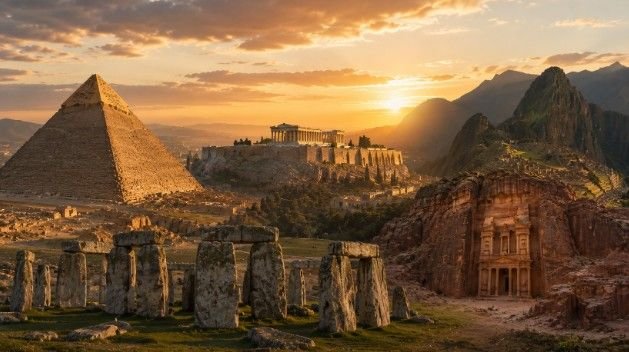
Scrolling through photos of historic places often makes me pause and imagine the people who walked there centuries ago. Ancient landmarks still standing today are more than impressive structures. They are living pieces of history that connect modern nations with civilizations that shaped the world we know. From Roman engineering to Persian heritage, these remarkable sites continue to tell stories that textbooks alone cannot capture.
Key Takeaways
- Ancient landmarks preserve the cultural identity of nations.
- Advanced engineering helped many structures survive for centuries.
- Several ancient sites remain functional even today.
- Conservation efforts protect these landmarks from modern threats.
- Historic monuments offer valuable lessons about human innovation.
Why Everyone Loves Ancient Landmarks Still Standing
There is something exciting about seeing a structure that has survived wars, weather, and changing empires. Ancient landmarks still standing give us a chance to travel through time without leaving the present. They also reveal surprising facts about countries, engineering skills, and cultural traditions that continue to influence modern societies.
For country facts enthusiasts, these monuments are like open-air history books. Every stone, arch, and column tells a story about the nation that built it and the people who worked to preserve it.
Caravan Bridge, Turkey
Discover how the world’s oldest functioning bridge still connects the past and present.
A Bridge Older Than Most Nations
Located near Izmir, the Caravan Bridge was built around 850 BC and is widely regarded as the oldest surviving man-made bridge still in use today.
Its long lifespan reflects the engineering knowledge of ancient Anatolian civilizations. Despite centuries of change, the bridge continues to serve travelers and locals, making it a rare example of ancient infrastructure that remains practical.
What It Reveals About Turkey
Turkey sits at the crossroads of Europe and Asia, and this bridge highlights its long history as a center of trade and cultural exchange.
Ancient trade routes passing through the region helped connect different civilizations, contributing to Turkey’s rich historical legacy.
Tomb Of Cyrus, Iran
Explore the resting place of one of history’s most influential rulers.
A Monument To A Great Empire
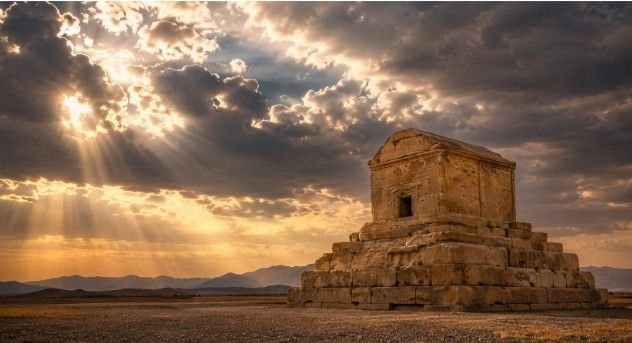
Built during the sixth century BC in Pasargadae, the Tomb of Cyrus honors Cyrus the Great, founder of the Persian Empire.
Its simple limestone design contrasts with many elaborate royal tombs. Yet its elegance and durability have helped it survive for more than 2,500 years.
A Symbol Of Persian Heritage
The monument remains one of Iran’s most important historical landmarks. It represents leadership, cultural tolerance, and the achievements of an empire that once stretched across three continents.
Parthenon, Greece
Step into the heart of classical civilization.
The Crown Jewel Of Athens
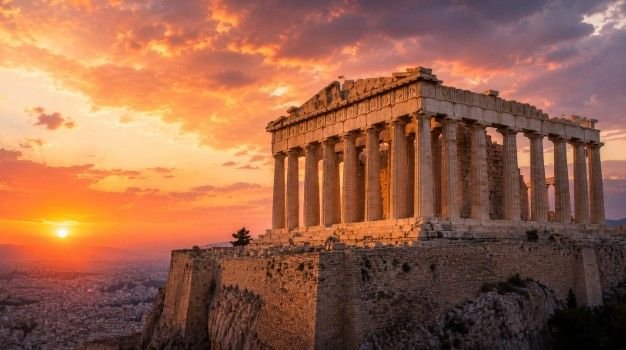
Completed in 438 BC, the Parthenon stands atop the Acropolis overlooking Athens. Built to honor the goddess Athena, the temple reflects the artistic and architectural excellence of ancient Greece. Its marble columns continue to inspire architects around the world.
Why Greece Values It
The Parthenon symbolizes Greece’s contribution to democracy, philosophy, literature, and art. For many visitors, it represents the birthplace of ideas that influenced countless nations across history.
Ponte Fabricio, Italy
Meet the Roman bridge that still serves pedestrians after two thousand years.
Engineering That Refused To Fail
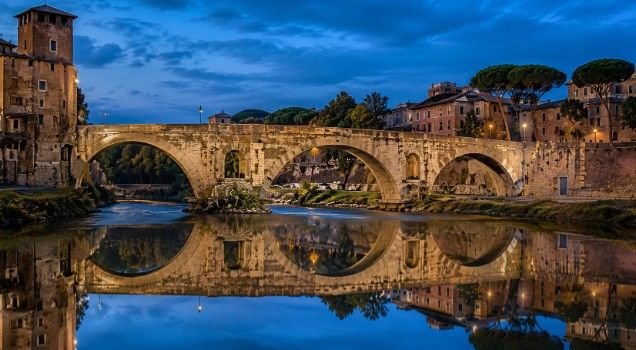
Constructed in 62 BC, Ponte Fabricio is the oldest surviving Roman bridge in Rome. The bridge demonstrates the remarkable engineering abilities of the Roman Empire. Its stone arches have withstood floods, political upheaval, and centuries of daily use.
A Lesson From Ancient Rome
Roman builders prioritized durability and functionality. Modern engineers continue to study Roman construction methods because many structures from that era remain standing today.
Pantheon, Italy
Discover one of the greatest architectural achievements of the ancient world.
A Dome Ahead Of Its Time
Completed around 125 AD, the Pantheon remains one of Rome’s most visited landmarks. Its massive unreinforced concrete dome continues to amaze architects and historians. The structure also features original bronze doors that have survived for nearly two millennia.
Why It Still Matters
The Pantheon influenced government buildings, museums, and churches across the world. Its preservation highlights the importance of continuous maintenance and cultural respect.
Tower Of Hercules, Spain
Explore the oldest working Roman lighthouse on Earth.
Lighting The Coast For Centuries
Built during the late first century AD in Galicia, the Tower of Hercules still functions as a lighthouse. This remarkable structure guided ships through dangerous waters long before modern navigation technology existed.
Spain’s Living Roman Legacy
The tower demonstrates how ancient infrastructure can remain useful even after thousands of years. Its continued operation reflects Spain’s commitment to preserving historical landmarks while adapting them for modern needs.
The Secret Behind Their Survival
Understanding why these landmarks endured helps us appreciate them even more.
Smart Building Materials
Ancient builders often selected durable stone, limestone, and concrete designed to withstand environmental challenges. The quality of materials played a major role in ensuring these structures survived long after their creators disappeared.
Strategic Design Choices
Many ancient civilizations understood how to distribute weight and minimize structural stress. Features such as arches, thick walls, and elevated foundations helped protect buildings from natural disasters and erosion.
Ongoing Preservation Efforts
Modern conservation programs contribute significantly to the survival of these monuments. Governments, archaeologists, and international organizations work together to prevent damage caused by pollution, climate change, and overtourism.
Ancient Landmarks Still Standing In Real Life
Learning from these historic sites can make travel and history far more meaningful.
- Start by researching the country behind each landmark and understanding its historical timeline with oldest capital cities.
- Next, explore how geography influenced construction methods and architectural styles. Then compare landmarks from different civilizations to discover common engineering principles.
- Finally, support responsible tourism practices that help preserve these sites for future generations.
- This simple approach turns a sightseeing experience into a deeper understanding of world history and national identity.
Frequently Asked Questions
1. What Is The Oldest Standing Landmark?
Many experts consider Göbekli Tepe among the oldest monumental sites, but Caravan Bridge is widely recognized as one of the oldest surviving man-made structures still actively used today.
2. What Are Some Of The Oldest Structures Still Standing?
The Caravan Bridge, Tomb of Cyrus, Parthenon, Ponte Fabricio, Pantheon, and Tower of Hercules are among the oldest surviving structures that remain remarkably intact.
3. What Ruins Still Exist?
Ancient ruins such as Petra, Machu Picchu, the Roman Forum, the Acropolis, and numerous archaeological sites continue to provide valuable insights into past civilizations.
4. How Are Ancient Structures Still Standing?
Ancient structures survive because of durable materials, advanced engineering, favorable locations, regular maintenance, and modern conservation efforts that reduce long-term deterioration.
Time Travelers Made Of Stone
Ancient landmarks still standing prove that remarkable engineering and cultural vision can outlast centuries of change. From Turkey’s Caravan Bridge to Spain’s Tower of Hercules, these monuments connect modern nations with their earliest achievements.
Their survival is not only a tribute to ancient builders but also a reminder that preserving history helps future generations understand where humanity has been and where it may go next.